

92% of performing artists experienced significant changes to their work during early stages of the pandemic – and at least half experienced depression.
Articles on Mental illness
Displaying 101 - 120 of 350 articles
Despite advances in human rights and treatments, stigma toward individuals diagnosed with mental illness is common in Ghana.

Early intervention programs for young people with psychosis might cost more initially, and require more intensive support for longer periods, but they’re worth the investment.

Years after the Sandy Hook massacre, school shootings are still frequent. Addressing the problem head-on takes more than ‘thoughts and prayers.’

Boys, LGBTQ youth and people with normal body mass index are often overlooked when it comes to recognizing eating disorders, a physician and psychotherapist explain.

Wes Anderson’s new film French Dispatch features a short that explores the connection between artistic genius and mental illness.

In any given year, one in five people in Canada will personally experience a mental health problem or illness. Despite this number there’s still massive stigmatization.

By integrating parents and other family members in therapy, young people will have more consistent support between the therapist’s office and their home.

More houses of worship are offering mental health programs, especially African American congregations.

Almost all the people in the study were experiencing feelings like anxiety, worry, anger, boredom or frustration.

Research suggests that expanded access to MAiD tends to benefit people with wealth and privilege, offering them choices and autonomy. At the same time, it puts marginalized people at risk.

Conservatorships significantly restrict people’s ability to make decisions for themselves. Other options can provide support while maintaining respect for autonomy.

Grossly oversimplified coverage risks serious damage to some of the most vulnerable in society.

Unloading about trauma and mental illness is in vogue. But like undressing, it centers musicians’ vulnerabilities at the expense of their artistry.
The TGA is considering a proposal to reclassify psilocybin and MDMA from their current status as prohibited substances. This would allow psychiatrists to use these drugs to treat mental illness.
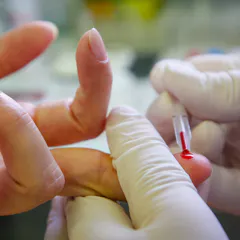
Blood samples help doctors know whether a treatment is effective or not – and this device can provide this information almost instantly.
Our study shows that higher levels of mental wellbeing is associated with less money being spent on health and social care.

People with schizophrenia are almost three times more likely to die from COVID-19 than those without the serious mental illness, making it second only to age as a risk factor for mortality.

Women who experience mental anguish after violence are not ‘irrational’.
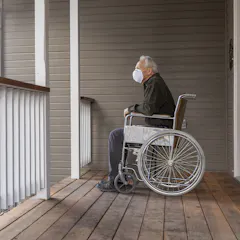
A neuropsychologist who works in these skilled care facilities describes the changing populations. With COVID-19, many nursing homes are now struggling to stay in business.
Top contributors
-

Professor of Psychology, The University of Melbourne
-
Associate Professor, Brain and Mind Centre, University of Sydney; University of Canberra
-
Professor of Psychiatry, University of Toronto
-
Professor of Clinical Psychology, Curtin University
-
Professor emeritus, The University of Melbourne
-
Co-Director, Health and Policy, Brain and Mind Centre, University of Sydney
-
Professor of Psychiatry, Wayne State University
-
Professor of General Practice, Adelaide University
-
Professor Allan Fels, Professor of Law, Economics and Business at the University of Melbourne and Monash University., The University of Melbourne
-
Professorial Fellow in Psychiatry, The University of Melbourne
-
Director, Unit for History and Philosophy of Science, University of Sydney
-
University Distinguished Professor of Forensic Behavioural Science & Dean, School of Health Sciences, Swinburne University of Technology
-
Associate professor, Psychiatry, Western University
-
Professor & Director of Traumatic Stress Clinic, UNSW
-
Professor Emerita of Criminology, UNSW