

With most therapy sessions now online, a psychologist explores whether more self-disclosure by therapists – sharing more about their own lives – might help their patients.
Articles on Mental illness
Displaying 141 - 160 of 350 articles

In the time of the coronavirus, learning how to adapt to adversity belongs in your toolkit.
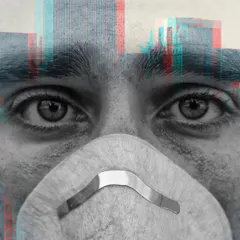
Behaviors that would have been seen as pathological a few months ago are now applauded as adaptive and resourceful. Where do doctors draw the line?

Australia has managed to house the homeless in hotels during the COVID-19 pandemic. We now have an opportunity to be thinking about longer-term solutions.

Mental health is more than just the absence of mental illness. Positive mental health involves feeling good and functioning well, and there are ways to improve even if you don’t have a mental illness.
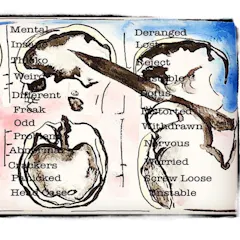
Penn State Laureate William Doan found solace in a daily act that has benefits scientists are just beginning to understand.
It’s normal to feel worried, anxious and edgy amid income losses, working from home requirements and concerns about loved ones’ risk of coronavirus. But some people will need mental health support.

You don’t have to be labelled with a mental illness to seek help.

Memes that feature dark or depressing jokes might seem alarming – but our research shows that they might provide a sense of community for those struggling.
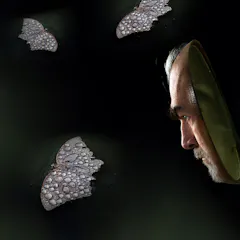
Charles Bonnet syndrome refers to visual hallucinations in people with acquired vision loss, and symptoms can last for many years.

People seeking mental health care still encounter stigma, even within the health system. New tools for teaching and sharing information may help address it.
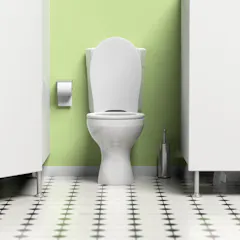
Anxiety around going to the toilet in a public place is a recognised mental health condition. We explored the thought processes behind shy bladder and shy bowel to better understand these disorders.

Some people with mental illnesses are unable to work or look after themselves but because their conditions are episodic, it’s difficult to meet the NDIS entry requirement of having a permanent disability.

You might need to visit a few therapists to find one you can connect and engage with. If cost or access are issues, you might even like to go online.

Navigating the mosaic of mental health services available is hard. A GP can help.

Stigmas surrounding mental health can create difficult or even dangerous situations for employees struggling with mental illness.

Police are almost always the first responders in cases of mental health crisis. Too often these encounters turn bad, even deadly. But police were never meant to be in charge of US mental health care.

The Productivity Commission has highlighted the growing burden of mental illness in Australia. But to really change things, its final recommendations should have a sharper focus on prevention.

Research shows construction workers are at higher risk of mental illness and suicide than people in other jobs. Addressing this must start with dismantling the ‘macho’ culture on work sites.

People with mental illness are at their most vulnerable when they’re discharged from hospital. Without the support of family or friends at this time, they’re less likely to recover.
Top contributors
-

Professor of Psychology, The University of Melbourne
-
Associate Professor, Brain and Mind Centre, University of Sydney; University of Canberra
-
Professor of Psychiatry, University of Toronto
-
Professor of Clinical Psychology, Curtin University
-
Professor emeritus, The University of Melbourne
-
Co-Director, Health and Policy, Brain and Mind Centre, University of Sydney
-
Professor of Psychiatry, Wayne State University
-
Professor of General Practice, Adelaide University
-
Professor Allan Fels, Professor of Law, Economics and Business at the University of Melbourne and Monash University., The University of Melbourne
-
Professorial Fellow in Psychiatry, The University of Melbourne
-
Director, Unit for History and Philosophy of Science, University of Sydney
-
University Distinguished Professor of Forensic Behavioural Science & Dean, School of Health Sciences, Swinburne University of Technology
-
Associate professor, Psychiatry, Western University
-
Professor & Director of Traumatic Stress Clinic, UNSW
-
Professor Emerita of Criminology, UNSW