
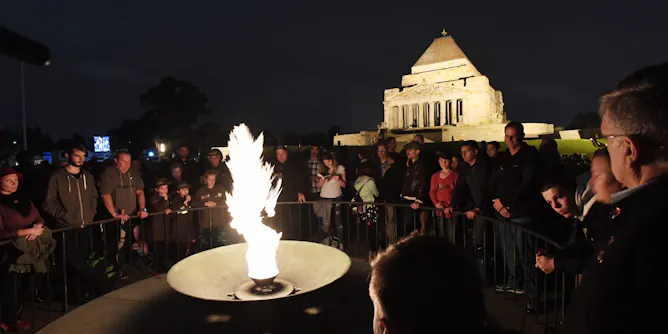
Australia is spending cast amounts of money commemorating the war dead, but it’s time we took better care of ex-servicepeople who are still living.
Articles on Mental illness
Displaying 181 - 200 of 350 articles
Not all terrorist incidents have mental illness as a causal factor, and most violent acts are committed by people without a mental illness.
Smoking rates are high among Australians with a mental illness. Quitting is likely to improve their physical and mental health; supporting them to do so should be part of mental health care.
Sidney Jeffryes achieved a world first by establishing wireless contact between Antarctica and Australia. But his mental illness meant he gradually vanished from history - until now.
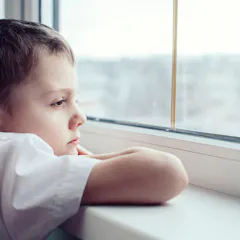
Current rules about who meets the eligibility criteria for autism support services are patchy and inconsistent, meaning those with the greatest need don’t necessarily have the greatest access.
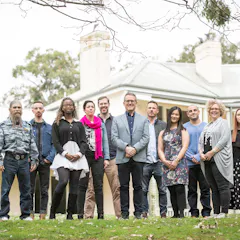
Some viewers will object to the reality TV format of How ‘Mad’ Are You, but the show achieves its aim of breaking down stigma.

Genes, drugs in early life, and stress have been linked to the development of schizophrenia.
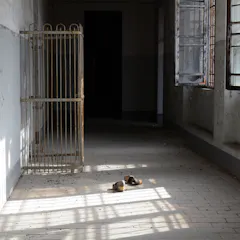
Frantz Fanon recognised mental illness as a real experience and offered an understanding of it being influenced by society and culture.

New research has found one in five dads has experienced symptoms of depression and/or anxiety after having children.
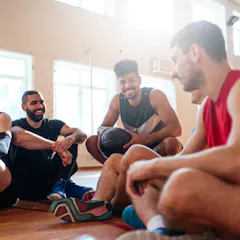
Student athletes may sometimes be put on a pedestal, but they experience problems just like any student. They sometimes may be harder to reach, however. A novel program suggests a winning approach.
The Verdins principles affect the way offenders with mental health problems are sentenced in a court of law.
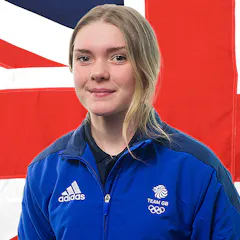
More needs to be done to stop professional athletes reaching crisis point with their mental health.
Research offers some scientific ways to overcome anxiety.
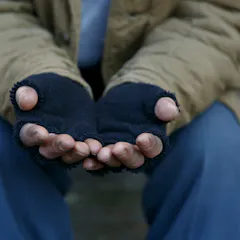
Are most homeless mentally ill? Is it inevitable that a society will have homeless people? A researcher digs into the real data on homelessness.
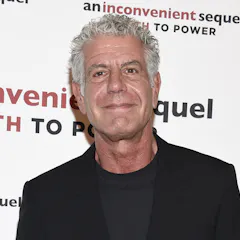
As fans of Kate Spade and Anthony Bourdain try to make sense of their tragic deaths, a question arises for many. How can people who seem to have everything end up ending their lives?
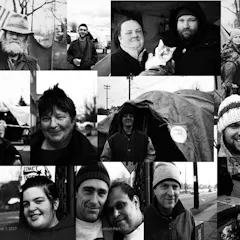
We conducted interviews with over 60 residents of a tent city. Their voices challenge common misconceptions.
Childhood depression, the deadliest illness facing children, often goes untreated. Sometimes, this is because parents do not want their children to be treated. Should this be considered child abuse?
Our new study has found that people who suffer from severe mental illness are at a much higher risk of dying from preventable diseases and conditions.
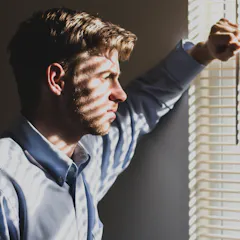
Unaffordable home loans, poor financial advice and unmanageable consumer credit may have serious consequences for many Australians, beyond bankruptcy and debt. Here’s what the research says.
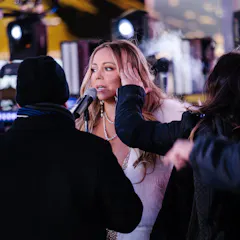
Media portrayals don’t help misconceptions about disorders such as bipolar, schizophrenia and borderline personality disorder. So what do these terms actually mean?
Top contributors
-

Professor of Psychology, The University of Melbourne
-
Associate Professor, Brain and Mind Centre, University of Sydney; University of Canberra
-
Professor of Psychiatry, University of Toronto
-
Professor of Clinical Psychology, Curtin University
-
Professor emeritus, The University of Melbourne
-
Co-Director, Health and Policy, Brain and Mind Centre, University of Sydney
-
Professor of Psychiatry, Wayne State University
-
Professor of General Practice, Adelaide University
-
Professor Allan Fels, Professor of Law, Economics and Business at the University of Melbourne and Monash University., The University of Melbourne
-
Professorial Fellow in Psychiatry, The University of Melbourne
-
Director, Unit for History and Philosophy of Science, University of Sydney
-
University Distinguished Professor of Forensic Behavioural Science & Dean, School of Health Sciences, Swinburne University of Technology
-
Associate professor, Psychiatry, Western University
-
Professor & Director of Traumatic Stress Clinic, UNSW
-
Professor Emerita of Criminology, UNSW