

One way to prevent mental health challenges in children: Recognize and treat the mental health issues of their parents.
Articles on Mental illness
Displaying 81 - 100 of 350 articles
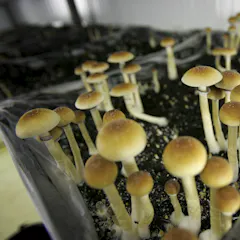
Alberta’s new policy on psychedelic-assisted therapy for mental illness may set a precedent that moves Canadians one step closer to accepting psychedelics as medicinal substances.
Canada’s planned expansion of MAID to mental illness is based on ignorance — if not outright disregard — of fundamental suicide prevention principles.

Mental distress can be a temporary reaction to life stress, or the beginning of a serious mental illness. It’s important to choose strategies and supports that work best for the individual.
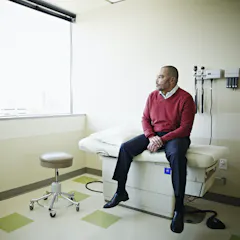
Men, older adults, people with language barriers and racial and ethnic minorities are less likely to be screened for depression.

In her new memoir A Kind of Magic, Anna Spargo-Ryan writes of her fragile mental health with humour and courage.

Cannabis consumption erodes mental well-being and has adverse effects on school, work, and social life.
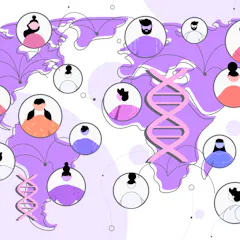
Existing genetic data and sequencing tools are overwhelmingly based on people of European ancestry, which excludes much of the rich genetic variation of the world.
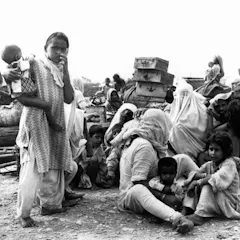
Effects of violence and forced migration on survivors’ mental health have not been acknowledged, despite the trauma being passed down generations.

Based on Anne Deveson’s 1991 memoir about her son’s experience with schizophrenia, this play can be achingly sad. But it also offers hope.

Some high-profile athletes have gone public with their mental health struggles. But it’s rare we hear from coaches. That needs to change.

Researchers suggest it is important to build daily habits that support mental well-being and seek care when necessary.
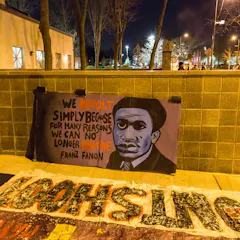
Fanon left a remarkable imprint, his views influencing many in the field of mental illness as well as pan-Africanist and anti-colonialism thinkers.

A study of thousands of students hospitalised with an injury or illness confirms they are likely to fall behind their classmates. But good management and targeted help with learning cut the risk.

Making room for the input of children and adolescents in responses to the next pandemic would help maintain their health, education, well-being and more.

Psychologists have mental health difficulties and illnesses at the same rate as the general population – but the profession has long stigmatized talking about them in public.

While only about 20% of people would qualify for a formal diagnosis of a mental disorder, more than 60% express symptoms of those disorders – and those symptoms can lead to cognitive difficulties.

Pinpointing the molecular targets behind the subjective effects of psychedelic drugs could help clinicians and researchers better treat psychiatric conditions.

About two-thirds of people affected by disasters such as floods return to their usual level of psychological well-being. But some people are at risk of lasting distress.

A scholar studying the relationship of Buddhism and medicine explains how the popular media has misrepresented mindfulness.
Top contributors
-

Professor of Psychology, The University of Melbourne
-
Associate Professor, Brain and Mind Centre, University of Sydney; University of Canberra
-
Professor of Psychiatry, University of Toronto
-
Professor of Clinical Psychology, Curtin University
-
Professor emeritus, The University of Melbourne
-
Co-Director, Health and Policy, Brain and Mind Centre, University of Sydney
-
Professor of Psychiatry, Wayne State University
-
Professor of General Practice, Adelaide University
-
Professor Allan Fels, Professor of Law, Economics and Business at the University of Melbourne and Monash University., The University of Melbourne
-
Professorial Fellow in Psychiatry, The University of Melbourne
-
Director, Unit for History and Philosophy of Science, University of Sydney
-
University Distinguished Professor of Forensic Behavioural Science & Dean, School of Health Sciences, Swinburne University of Technology
-
Associate professor, Psychiatry, Western University
-
Professor & Director of Traumatic Stress Clinic, UNSW
-
Professor Emerita of Criminology, UNSW