

School personnel in Detroit and community members in Flint reported concerns about teens experiencing mental health conditions.
Articles on Mental health stigma
Displaying all articles

Young people are telling us their mental health is suffering. A new study shows why we should believe them.

Treatment should focus on the underlying causes of borderline personality disorder – trauma – rather stigmatise the person.

Debunking the myths surrounding antidepressant use is critical to enabling educated treatment decisions for people experiencing depression.

Tyson Fury has a history of mental ill health, something which is reflected in his series, At Home With The Furys on Netflix.

In our new research, we have explored how podcasts about mental health can be designed in a way that reduces stigma and discrimination.

In the past, workers have been warned not to disclose their mental illness at work for fear of discrimination. But there can be many positives to telling your boss.

Men, older adults, people with language barriers and racial and ethnic minorities are less likely to be screened for depression.

This rare procedure is offered by only a handful of centers in the US and around the world and should be used only when less invasive treatment options for OCD have been tried.

Mental health labels can be powerful and hurtful. We sat down with young patients, families and doctors to brainstorm new names for mental health conditions.

Psychologists have mental health difficulties and illnesses at the same rate as the general population – but the profession has long stigmatized talking about them in public.

The legacy of eugenics is still active in the U.S. Paternalistic attitudes and policies on the reproductive agency of disabled people is one way it manifests.
Structural stigma is in the rules, policies and procedures of organizations and society. It’s reflected in systems that treat people with mental illness as less treatable or less deserving of care.

“Millennial snowflakes” are derided as weak and sensitive but this nastiness is patently false and actively harms progress on tackling mental health.

Ghana’s print media plays in shaping public opinion and disseminating knowledge about mental health disorders.

Art is no cure all. But it can open up new spaces for us to ask new questions.

Pledging to destigmatise mental health in the workplace is admirable, but it comes with problems too.
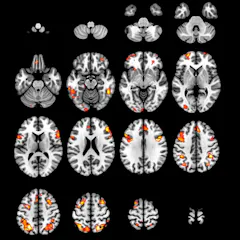
It can be very hard for people to accept that they – or their family member – are not to blame for their mental illness. Seeing the evidence in a scan can make a difference.

Saying you’re ‘a little bit OCD’ isn’t helpful, but neither is denying the experiences we share.

Saying someone has epilepsy is a little like saying they’re ill. Its cause can vary from a brain tumour to an inherited genetic condition, the consequence of injury or a disorder affecting the brain.
Top contributors
-

Associate Professor, Virginia Commonwealth University
-
Research Associate, University of Sheffield
-
Professor of Psychiatry and Neuroscience, Wayne State University
-
Senior Deputy Director, Florey, Neurologist Austin Health, Florey Institute of Neuroscience and Mental Health
-
Senior Lecturer in Mental Health and Wellbeing, Edge Hill University
-
Clinical Associate Professor, Psychiatrist, Orygen, The University of Melbourne
-
Senior Lecturer & Counseling Psychologist, University of Ghana
-
Senior Research Fellow, Orygen, The University of Melbourne
-
Lecturer in Management, Employment and Organisation, Cardiff Business School, Cardiff University
-
Professor of Molecular Psychiatry, King's College London
-
Associate Professor in Arts and Cultural Leadership, University of Southampton
-
Assistant Professor of Clinical Psychology, Texas Tech University
-
Postdoctoral Research Fellow, University of Sydney
-
PhD Candidate, The University of Melbourne
-
Associate Professor, Canada Research Chair in Behavioural Neurobiology, Clinical Psychologist, Carleton University