

The demands of caregiving can reverberate through family relationships, exposing old disagreements about expectations and responsibilities.
Articles on Memory loss
Displaying 1 - 20 of 27 articles

Diffusing scents while sleeping could boost the sense of smell, memory and sleep.

Keeping a tiny brain area called locus coeruleus functioning properly may stave off symptoms of Alzheimer’s disease and keep the aging brain healthy

A new study linking Pittsburgh’s air pollution to thousands of deaths each year has been published just as the EPA moves to weaken pollution standards.

The test could someday help diagnose Alzheimer’s related memory issues without the need for unnecessary waits or time consuming procedures.

The six pillars of lifestyle medicine can support your brain during menopause – and beyond.

Around one in 20 people with Alzheimer’s disease are diagnosed before the age of 65.

Most Americans knew the late Dianne Feinstein as a US senator. But for San Francisco voters, she will forever be remembered as the woman who stepped in at a tragic moment to lead the city.

Not all memory lapses are due to age-related changes in our brains. You could just be tired, anxious or distracted. Here’s what signals a problem.

The symptoms of B12 deficiency resemble a lot of other health problems, putting millions of Americans at risk of a misdiagnosis.

From figuring out where memories are stored to how sensory information translates to behavior, new technologies are helping neuroscientists better understand how the brain works.

New research reveals how socioeconomic status influences our memory abilities and risk of dementia.
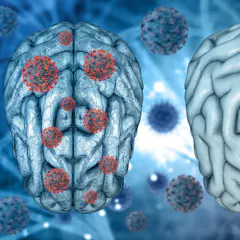
New research offers insights into the brain after COVID-19 that may have implications for our understanding of long COVID-19 and how the disease affects our senses of taste and smell.

Reduced brain volume in people who have experienced COVID-19 resembles brain changes typically seen in older adults. The implications of these findings are not yet clear.

Alzheimer’s disease is often associated with a decline in episodic memory. Patients will complain that they can’t remember events they’ve experienced, conversations they’ve had, things they’ve done.
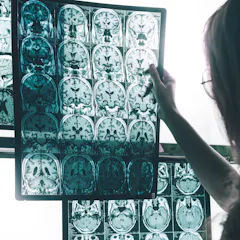
The first drug targeting Alzheimer’s disease has been approved in 20 years – but its approval isn’t based on substantial evidence.

Depression can cause widespread changes in our brain – including to the regions responsible for memory.

September is Alzheimer’s Awareness Month and therefore a good time to talk about dementia. Alzheimer’s is the most common dementia, but there are others to be aware of, a gerontologist explains.

Though a recent study’s results were promising, there is still much that researchers don’t know.

Current research suggest it can be both helpful and harmful to memory – here’s why.
Top contributors
-

Research Fellow in Neuroimmunology, UCL
-
Associate Professor, Texas A&M University
-
Associate Professor, Turner Institute for Brain and Mental Health, Monash University
-
Associate professor, University of Sydney
-
Postdoctoral Research Fellow (Neuropsychology), Monash University
-
Professor, School of Medicine, Adelaide University
-
Professor, Neuropsychology, University of Westminster
-
Professor of Affective Neuroscience, University of East London
-
Assistant Professor of Computer Science, Binghamton University, State University of New York
-
Professor of Civil, Environmental and Architectural Engineering, University of Colorado Boulder
-
Research Fellow, Harvard Medical School, Research Fellow, Florey Institute of Neuroscience and Mental Health
-
Associate Professor of Nutrition and Food Science, Wayne State University
-
Associate Professor in Cellular Neuroscience, University of Reading
-
Professeure titulaire, Département de psychologie, section Neuropsychologie, Université du Québec à Montréal (UQAM)
-
Lecturer/Research Fellow in Psychology, Flinders University