

Hay fever treatment options range from common over-the-counter products to specialist medicines.
Articles on Medication
Displaying 41 - 60 of 86 articles

Prescriptions for ADHD medications have doubled in the last decade in Australia. Medication is the best treatment for ADHD, however non-medicated treatments are also helpful.

Sildenafil — better known as Viagra — may be helpful in treating lung diseases like pulmonary arterial hypertension and idiopathic pulmonary fibrosis, for which there are few effective treatments.
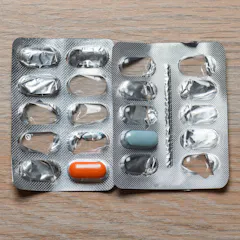
Many common medications – including those prescribed for menopause, dementia, and depression – are currently seeing shortages worldwide.

Asthma is a huge health challenge, and many people struggle to stick to a medication regime to control their condition. Digital technologies can help, but we need to know more about what works best.

Studying medication use in a traumatized population of immigrants required pharmacists to listen to and learn from trusted community health workers.
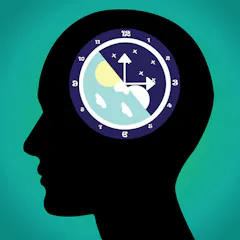
Our immune system is controlled by our “body clock” – an intricate 24-hour system which controls how cells function.
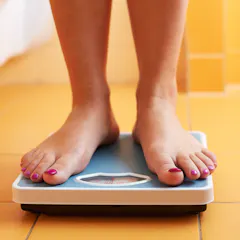
Semaglutide works by controlling appetite.

Drugs like ketamine can relieve depression symptoms, including suicidal thoughts, within hours, but they also carry risks that patients need to understand.

Any pharmacare plan that aims to remove financial barriers to treatment and eliminate inequities should prioritize those who face the highest out-of-pocket drug costs, such as people with disabilities.
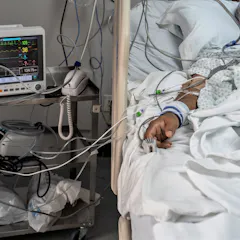
Three new studies show corticosteroids can reduce deaths in critically ill COVID-19 patients. But what about other patients?

When news reports tout a drug, people get interested, even if the benefits are unproven. Patient hopes, requests and demands can easily turn into real prescriptions in their doctor’s office.
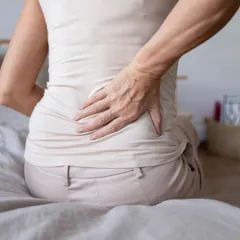
Chronic pain is everyone’s problem. It’s costly, debilitating and, according to new statistics, increasingly common. Reversing the trend is achieveable but far from easy.

As coronavirus continues to spread, older adults face a challenge: how to get the medications they need without putting themselves at risk. A new national survey shows they aren’t prepared.

PODCAST: The third part of a series from The Anthill podcast on how personalised medicine may become in the future.

Researchers are looking for ways to determine who’s most at risk for dementia and also ways to detect it early. A scientist who has studied low blood pressure makes a case for a link between the two.

Mothers are told to stop breastfeeding when taking certain medications – even if they won’t harm their baby.
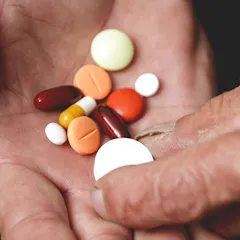
The technology to identify pills is getting cheaper and smaller. That means it could also be used to test the make-up of illegal pills at festivals and other events.

Artificially intelligent drug design programs could discover new therapies for conditions that are difficult or prohibitively expensive to cure.
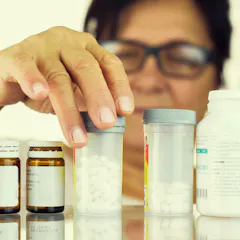
Lookalike and soundalike medication names are causing dangerous problems.
Top contributors
-

Professor of Pharmaceutical Chemistry, Macquarie University
-
Associate Professor in Pharmacy Practice, Kingston University
-
Senior Lecturer in Accounting and Finance, University of Liverpool
-
PhD candidate, Swansea University
-
Research Fellow at Monash University, Monash University
-
Assistant Professor of Emergency Medicine, MedStar Washington Health Center
-
Professor of Health Psychology in Pharmacy Practice, Swansea University
-
Professor of Mathematics, Electrical and Computer Engineering, Biochemistry and Molecular Biology, Michigan State University
-
Professor of Internal Medicine, University of Michigan
-
Clinical Lecturer, University of Michigan
-
Professor in Clinical Pharmacy, Aston University
-
Senior Lecturer in Criminology, University of Auckland, Waipapa Taumata Rau
-
Professor of Pediatrics and Medicine Director of Clinical Ethics, Duke University Hospital, Duke University
-
Palliative Medicine Physician, Senior Research Fellow, The University of Melbourne
-
Lecturer at the Faculty of Pharmacy, University of Sydney