

The core features of autism can’t and don’t need to be altered. But medications can help manage autistic people’s physical and mental health conditions.
Articles on Medication
Displaying 21 - 40 of 86 articles

Despite the historic passage of pharmacare legislation, its rollout remains uncertain. While some provinces have already reached deals with Ottawa, others remain in discussions.

Not everyone who ages will necessarily become frail. Here’s the distinction.

From nausea and vomiting to brain swelling and erection problems. These are just some of the side effects of melanotan-II.

The daily tablet can help reduce pain and inflammation caused by the chronic and often debilitating condition.

Excluding pregnant women from drug trials is standard. But medication use during pregnancy has gone up, and many women are using drugs ‘off-label’ – in ways that haven’t been clinically tested and approved.

The number of people living to 100 is rising. Diet, medication use, sleep and where you live could all contribute.

In the majority of cases, medications help patients. But even when treatment of individual illnesses is effective, treatment as a whole can become problematic.

What exactly is ketamine and what is its role in the treatment of depression?

The study found people with ADHD who took medication had a lower risk of dying from unnatural causes than those with ADHD who were not taking medication.

An inhaler that costs nearly $300 in the US goes for just $9 in Germany. What gives?

Oral contraceptives modify the menstrual cycle. What’s less well known is that they also reach the brain, particularly the regions important for regulating emotions.

Long-acting injectable buprenorphine is also known by the brand names Buvidal or Sublocade.
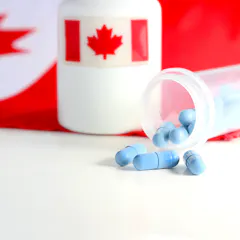
Pharmaceutical and insurance industries that could lose profit through lower drug prices are not happy that a pharmacare bill is planned for fall. They are speaking out and mobilizing their allies.

College students who postpone medical care to save money end up paying for it down the line in the form of worse health, a researcher contends.

Not enough data is being collected about the impact taking prescription medication has on breastfeeding.

Prescription medications can help people with opioid use disorder avoid the risks of relapse and overdose. But stigma based on misperceptions about addiction limits their use.

One size doesn’t fit all – customising your medicines with 3D printing could be a game changer, especially for people with complex medical needs.

An 18-month treatment with lecanemab slows functional and cognitive loss by 27 per cent in people with mild Alzheimer’s disease. But this is only the first step towards a real cure.

The assumption that females are just smaller versions of males has been widely used in biomedical research. A new mouse study indicates that’s unlikely to be true.
Top contributors
-

Professor of Pharmaceutical Chemistry, Macquarie University
-
Associate Professor in Pharmacy Practice, Kingston University
-
Senior Lecturer in Accounting and Finance, University of Liverpool
-
PhD candidate, Swansea University
-
Research Fellow at Monash University, Monash University
-
Assistant Professor of Emergency Medicine, MedStar Washington Health Center
-
Professor of Health Psychology in Pharmacy Practice, Swansea University
-
Professor of Mathematics, Electrical and Computer Engineering, Biochemistry and Molecular Biology, Michigan State University
-
Professor of Internal Medicine, University of Michigan
-
Clinical Lecturer, University of Michigan
-
Professor in Clinical Pharmacy, Aston University
-
Senior Lecturer in Criminology, University of Auckland, Waipapa Taumata Rau
-
Professor of Pediatrics and Medicine Director of Clinical Ethics, Duke University Hospital, Duke University
-
Palliative Medicine Physician, Senior Research Fellow, The University of Melbourne
-
Lecturer at the Faculty of Pharmacy, University of Sydney