

Most genetic studies focus on people from European ancestry. But Africa has the richest diversity and must be included in genetic databases.
Articles on Medical technology
Displaying 1 - 20 of 37 articles

Ultrasound is perhaps best known as an imaging technique to monitor pregnancy or disease. When these sound waves are highly concentrated, however, they can be used to treat a host of diseases.

Estimates are that one million HIV infections have been prevented, saving the cost of treating and monitoring those cases, and avoiding transmission to partners.

Precise and flexible 3D manufacturing techniques make it possible to individually tailor everything from prosthetics to drugs.
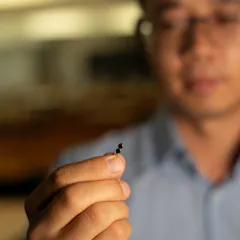
Robotic tools are too big for ‘keyhole’ brain surgery – but a new miniature technology using magnets could change all that.

Patients and families need to know how these extraordinary treatments might change how they feel about themselves and the world.

It’s more than likely we’ll face another pandemic in the future. So what can we learn from COVID?

The technology to link human brains with computers is developing quickly – but the path ahead is full of challenges.

Neuralink’s first human trial is more than just a technical milestone; it represents a major leap in potential human-computer interaction.

Keeping an eye on your oxygen levels at home can give you early warning your COVID is deteriorating.

The NanoMslide causes potentially cancerous cells to ‘light up’ with vivid colour contrast. It has already been successful in finding early-stage breast cancer cells in human tissue.

Lowering the tax rates on profits from patents registered in Australia is unlikely to increase local research and development. But it will be a gift for multinationals.

An effective oxygen system requires prompt recognition of who needs oxygen, a reliable oxygen supply and safe delivery to those who need it.

It may not be long before Australia’s health sector offers predictive genomic analysis to patients. If this happens, could chatbots help lessen the load on genetic counsellors?

Virtual health-care services have been on the decision agenda for years, but lack of financial investment and political will has hindered progress. The pandemic has provided the impetus for action.

The watchdog has voiced concerns over the proposed US$2.1 billion merger, from which both users and Australian health services could lose out.

Mechanical ventilators are often used in life and death situations, treating patients with pneumonia, brain injury and stroke. One mechanical ventilator can cost up to A$82,000.
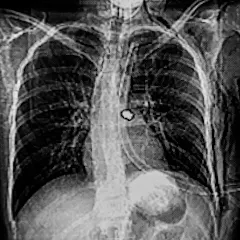
The landscape artist bravely left her aristocratic life behind to help save lives on the Italian front.
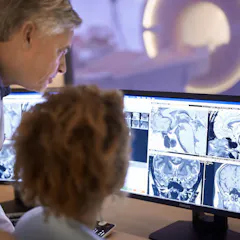
Automated decision making has been around in healthcare since the 1970s, and now radiology is the new frontline where AI is being deployed.

Gadgets that tell too many people to go to the doctor are a worry, but the growing enthusiasm for health monitoring should be encouraged.
Top contributors
-

Space Medicine Systematic Review Expert, Northumbria University, Newcastle
-
University of Salford
-
Professor of Orthopaedic Research, Queensland University of Technology
-
Health economist, University of Liverpool
-
Professor, Wellbeing Science, The University of Melbourne
-
Lecturer, Department of Biomedical Science, University of Sheffield
-
Lecturer in Applied Health Sciences, University of Aberdeen
-
Professor of Pharmaceutics, De Montfort University
-
PhD Candidate in Electronic Engineering, University of Surrey
-
Lecturer in Intelligent Systems, University of Birmingham
-
Professor in Robotics, Queensland University of Technology
-
Prize Fellow in Bioelectronics, University of Bath
-
Virologist, PROLIFICA Project, Hepatitis Department, MRC The Gambia Unit
-
PhD candidate in Psychiatry, University of Cambridge
-
Assistant Professor of Mechanical Engineering, Tufts University