
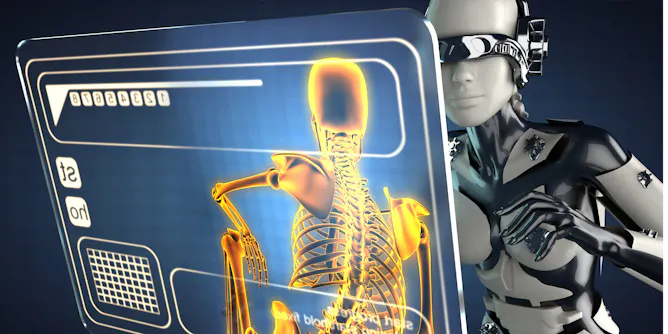
Google DeepMind software can diagnose eye conditions as well as human doctors – and the medical profession should welcome this.
Articles on Medical technology
Displaying 21 - 37 of 37 articles
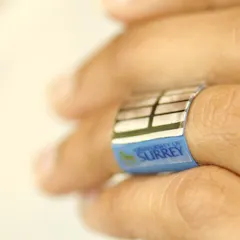
An X-ray sensitive ink means future detectors could be printable, portable and flexible.
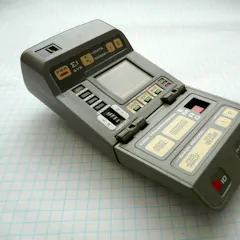
One day doctors could instantly diagnose your illness with a handheld device.
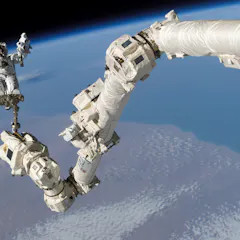
Many technologies in healthcare on Earth originated from human space exploration - here are ten examples.
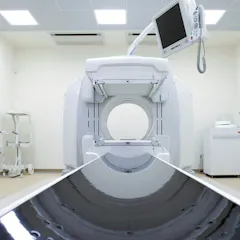
So many good ideas fail to make it out of the research lab because of a lack of funding.
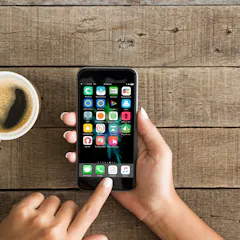
While some respectable organisations have lists of recommended apps, very few of these apps are supported by experimental evidence.

How soft robotics could help paralysed people walk again without the need for clunky equipment.
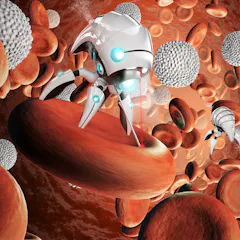
A single-atom engine is the latest example of how nano-technology can create machines to power tiny robots inside the body.
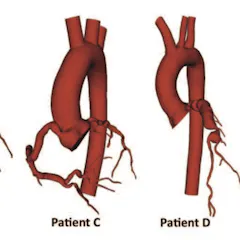
Computer simulation and 3D printing are allowing scientists to develop faster, safer ways to test medical devices without installing them in live humans or animals.
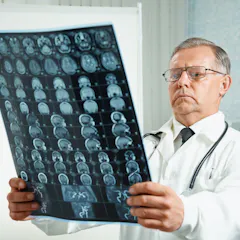
Humans can only do so much when it comes to diagnosing what’s wrong with a patient. So why not let machines take over? They learn faster than humans and never retire.

If apps aren’t proven to make users’ mental health better they could end up making it worse.

Adding a camera that can work out where sound is coming from could make hearing aids smarter.
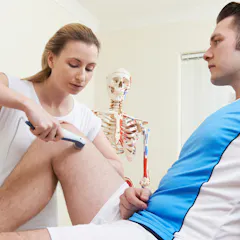
A handheld ultrasound device could cut wound recovery times by 30% by reawakening the body’s natural healing powers.

Even if we could develop a test or a screening process to find a pilot who would intentionally crash a plane, and that system was very, very good, virtually all positives would be false positives.
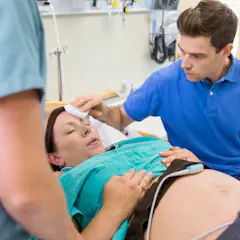
A British woman has become the first diabetic to give birth naturally using an artificial pancreas.

Though set “a long time ago in a galaxy far, far away,” it isn’t hard to see in the Star Wars films a vision of our own not so distant future. But Anthony Jones, a physician with a long background in health…

As a virologist working in the Gambia, the idea of a portable microscope that uses fluorescent imaging and can be attached to your smartphone to detect viruses and bacteria in the field sounds amazing…
Top contributors
-

Space Medicine Systematic Review Expert, Northumbria University, Newcastle
-
University of Salford
-
Professor of Orthopaedic Research, Queensland University of Technology
-
Health economist, University of Liverpool
-
Professor, Wellbeing Science, The University of Melbourne
-
Lecturer, Department of Biomedical Science, University of Sheffield
-
Lecturer in Applied Health Sciences, University of Aberdeen
-
Professor of Pharmaceutics, De Montfort University
-
PhD Candidate in Electronic Engineering, University of Surrey
-
Lecturer in Intelligent Systems, University of Birmingham
-
Professor in Robotics, Queensland University of Technology
-
Prize Fellow in Bioelectronics, University of Bath
-
Virologist, PROLIFICA Project, Hepatitis Department, MRC The Gambia Unit
-
PhD candidate in Psychiatry, University of Cambridge
-
Assistant Professor of Mechanical Engineering, Tufts University