

For many people, coming to terms with chronic illness feels impossible. What if psychology could make meaning of the loss?
Articles on Diagnosis
Displaying 1 - 20 of 163 articles

These apps and software programs could provide access to lifesaving screening – if researchers can find a way to remove the baked-in bias.
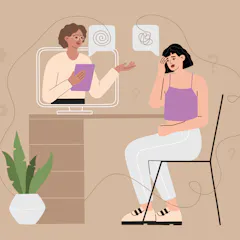
Clear communication is the secret sauce to safe and effective treatment.
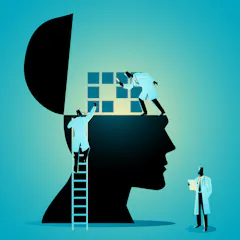
Despite advances in neuroscience, the underlying biology of mental illness has remained elusive. The DSM-6 will attempt to integrate neurobiology into how clinicians diagnose and treat psychiatric conditions.

Could new tests shorten the long road to an endometriosis diagnosis? The promise is compelling, but the evidence is not there yet.

Mild cognitive decline doesn’t necessarily mean you’ll develop dementia. But it’s a common fear.

Uncertainty is common in medicine, and AI isn’t very good at navigating it.
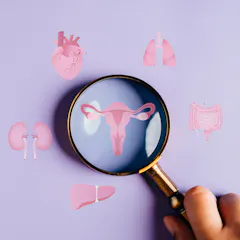
Polycystic ovary syndrome is an inaccurate name for a condition that affects millions of people worldwide. Its new name can help address missed diagnoses and fragmented care.

Social media platforms are shaping how we collectively think about mental health, a new study shows.

Seeking a second opinion is a patient’s right. Knowing how empowering another perspective can be may make it less awkward to ask for one.

When honey bees get sick, their beekeepers turn to the nation’s premier bee research and disease diagnosis lab for help. That crucial resource is now disappearing.

Motor neurone disease can strike people who are young and fit. And there’s no cure.

PMOS is not primarily a disease of the ovaries. Its new name reflects the condition’s more complex and cyclical endocrine and metabolic features.

Few diagnoses have broadened their diagnostic boundaries as much or as quickly as autism. This has affected those with the most profound disability.

A new study shows AI beating doctors at triage. But is anyone ready to govern it safely?

An in-ear device could help detect the early signs of Alzheimer’s and Parkinson’s, well before symptoms appear.

AI chatbots can sound authoritative on health, but new research shows they often mislead, especially when users must interpret and apply the answers themselves.

Evidence suggests the NDIS led to Australia having some of the highest rates of diagnosed autism in the world.

ADHD isn’t just hyperactive boys. In girls and women, it looks different and can become more complex across the lifespan. Here’s how it shows up and why it matters.

Health inequality is not only about who reaches a health facility. It is also about what happens once patients are inside the consultation room.
Top contributors
-

Associate Professor, Epidemiology, Deakin University
-
Professor Emerita, Nursing, School of Nursing and Midwifery, Griffith University
-
NHMRC Emerging Leader Research Fellow, School of Public Health, University of Sydney
-
Deputy Director, The Kids Research Institute Australia, Professor of Autism Research, The University of Western Australia
-
Professor of Clinical Epidemiology, Sydney School of Public Health, University of Sydney
-
Professor of Psychology, The University of Melbourne
-
Head of Autism Research and Senior Principal Research Fellow, The Kids Research Institute Australia
-
Professor of Biomedical Engineering, University at Buffalo
-
Professor of Anatomy, Lancaster University
-
Honorary Enterprise Professor, School of Population and Global Health, and Department of General Practice and Primary Care, The University of Melbourne
-
Associate Professor of Educational Studies in School Psychology, University of Calgary
-
Senior Research Officer, Blood Cells and Blood Cancer Division, WEHI (Walter and Eliza Hall Institute of Medical Research)
-
Director, Nephrology and Kidney Care Services, Melbourne Health
-
Senior lecturer, Manchester Metropolitan University
-
Lecturer in Law, Sydney Law School, University of Sydney