

There are growing applications of artificial intelligence in health sciences education. Students and practitioners need to be educated on using these technologies and made aware of their implications.
Articles on Medical education
Displaying 21 - 40 of 51 articles

Medical schools need long-term equity planning and built-in accountability measures in order to help realize a larger vision of anti-racist and inclusive health care.

Around two in every 100 people have sex characteristics between the male-female binary definitions. Training for doctors and other health workers needs to reflect this.

The need to transfer 2,500 COVID-19 patients around Ontario, and bring in extra doctors from other provinces, exposes two fallacies about Canada’s health-care system.

Medical education has not kept up with genetic discoveries — primary care physicians require more genetics and genomics training.
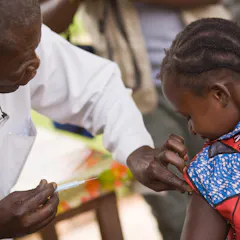
Removing social medicine from the education of medical students would be to their detriment - as well as their future patients.
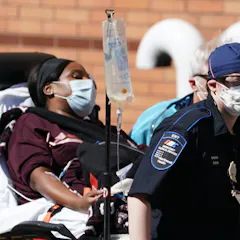
While African Americans account for about 14% of the US population, they have accounted for about 60% of deaths from the virus. Several physicians offer an idea they think could help.
CC BY-NC-ND8.59 MB (download)
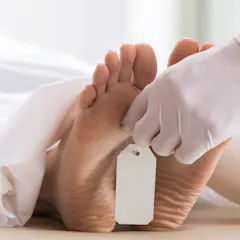
Why you should consider donating your body to research once you die.

Medical school efforts to cultivate good wellness practices and adaptive coping skills in medical students may offer an effective long-term solution to physician burnout.

From weekend walks with your doctor to free gym memberships, there is a global movement afoot.
Health professionals need a dose of drama in their training to build clinical and interpersonal skills.

Doctor communication is an important part of their education. But they can’t have unlimited empathy for their patients either, or they’d never get the job done.
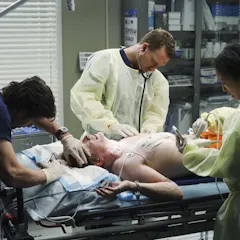
A new study compared fictional patient experiences in Grey’s Anatomy with real trauma cases. It concluded patients who are fans of the show might have unrealistic expectations of medical care.
Teaching students to care for the dying requires specific skills that the student may not encounter in their ordinary clinical teaching.
A radical new model of “competency based” medical education emphasizes trainee skill over time invested. Queen’s University is the first in Canada to fully embrace this shift.

We’ve come a long way since the dark days of grave robbing to provide bodies for dissection. Now, there are ceremonies and memorials to honour people who have donated their body to science.
Most physicians are unaware of effective approaches to treat opioid addiction. Addiction medicine fellowships offer a new and effective way to save lives.

Competition for spaces is driving Canadian undergraduates to medical school in the tropics. And there are risks - for student career prospects and Caribbean health systems.
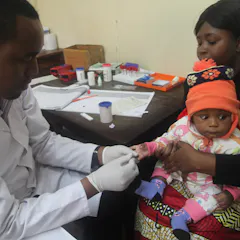
Kenyan tertiary institutions are learning from each other by sharing experiences on overcoming challenges they face during medical training.
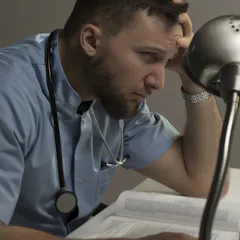
Over a quarter of medical students suffer depression. Almost half of US physicians say they’re burnt out. A doctor reflects on how much more burdensome and less fulfilling the profession has become.
Top contributors
-

Associate professor, Department of Family and Community Medicine, University of Toronto; York University, Canada; University of Sydney
-
Professor, biological anthropologist and anatomist, UNSW
-
Professor of Medicine (Cardiology), Queen's University, Ontario
-
Dean, Western Sydney University
-
Associate Professor of General Pediatrics, University of Florida
-
Postdoctoral Fellow at BC Centre on Substance Use | jointly affiliated with Primary Connections, University College Dublin, University of British Columbia
-
Professor of Pathology, UNSW
-
Senior Lecturer, Population Medicine and Sub-dean Student Support, Sydney Medical School, University of Sydney
-
George Dock Professor of Medicine, University of Michigan
-
Associate Professor, School of Psychiatry, UNSW
-
Adjunct Associate Professor, Anatomy, UNSW
-
Associate Professor in Medical Education, The University of Melbourne
-
SHARP Professor, Vitalities Lab, Centre for Social Research in Health and Social Policy Centre, and the ARC Centre of Excellence for Automated Decision-Making and Society, UNSW
-
Professor of Health Sciences, Simon Fraser University
-
Associate professor, University of Wollongong