
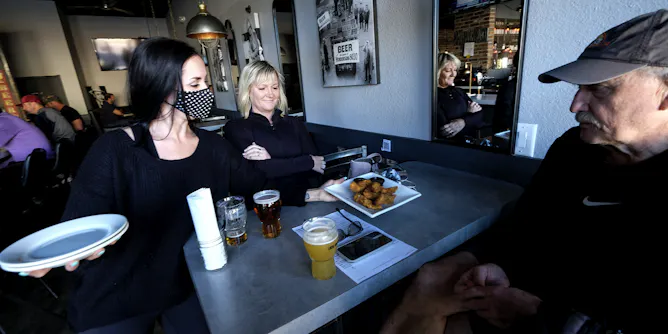
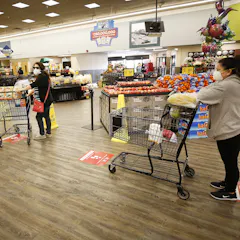
The positive reaction to service workers wearing masks varied by region, with those in the West on the high end and people in the Midwest at the low end.
Articles on Mask wearing
Displaying 21 - 35 of 35 articles
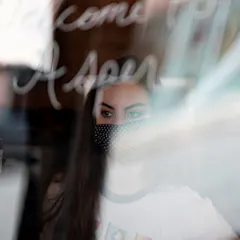
Coronavirus cases have risen sharply across the Mountain West, Midwest and plains. Over 70% of nonmetropolitan counties are now “red zones,” suggesting viral spread is out of control.
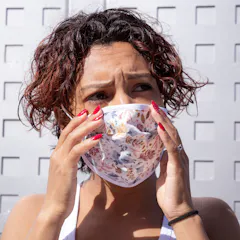
Worried about being accused of virtue signalling or getting funny looks for wearing a mask? Here’s how to test your ethics and come to the right decision.

As we venture out into the world during the COVID-19 pandemic, treating each interaction as a type of micro-negotiation provides a helpful road map for navigating potentially tricky situations.

It might be tempting to yell ‘bloody well wear a mask’, but that will probably make little difference. Research shows there are more constructive ways to get your message across.
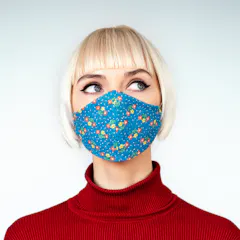
A few simple pointers can help you spot a quality mask from a dud.
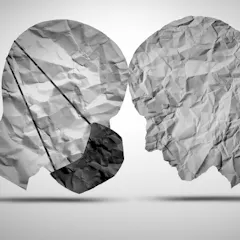
Just because someone isn’t wearing a mask doesn’t mean they don’t want to. They might have a disability or medical condition you can’t see that makes wearing a mask difficult or distressing.

The more layers your mask has, the better, our new research confirms.
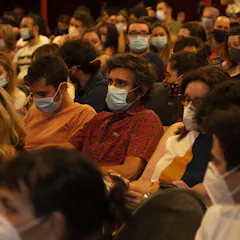
Policies meant to improve public health – like mandatory face masks during the coronavirus pandemic – need to take into account how people might adjust other behaviors in response.
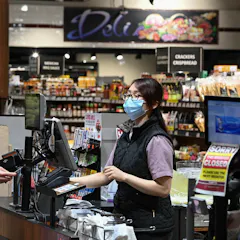
As Melburnians are encouraged to wear masks in public, shops and cafes around Australia can already make mask-wearing a condition of entry.
Psychologists call these traits the ‘Big Five’: openness, conscientiousness, extroversion, agreeableness and neuroticism. A researcher suggests your profile implies your response to social distancing.
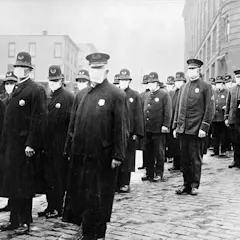
As the US battled the 1918 influenza pandemic, some communities staged contentious battles against wearing masks. Sound familiar?
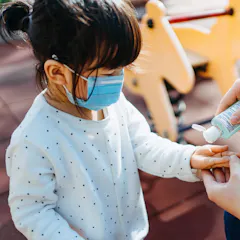
With COVID-19 cases rising in more than half of the states, the next two weeks are critical for stopping a spike in cases. An epidemiologist reminds us to get back to the basics now.
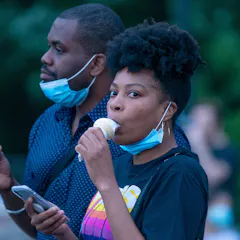
If coronavirus is still circulating, why are we safer now that social distancing measures have been relaxed? A public health expert explains.
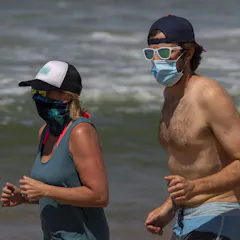
Without clear guidelines from states or the feds on how to stay safe after reopening, it’s hard to know what to do. A doctor suggests things to consider in a park, at the beach and the pool.
Top contributors
-

Professor of Public Health, University of Otago
-
Project Lead - COVID Modeling Aotearoa; Senior Lecturer - Department of Physics, University of Auckland; Principal Investigator - Te Pūnaha Matatini, University of Auckland, Waipapa Taumata Rau
-
Senior Lecturer, University of Auckland, Waipapa Taumata Rau
-
Professor of Public Health, University of Otago
-
Professor of Global Biosecurity, NHMRC L3 Research Fellow, Head, Biosecurity Program, Kirby Institute, UNSW
-
Assistant Director of the Center for the History of Medicine, University of Michigan
-
Associate Professor of Political Science, Texas A&M University-Texarkana
-
Associate Professor of Epidemiology and Biostatistics, University of Arizona
-
Assistant Professor, Auburn University
-
Professor of Medicine, University of East Anglia
-
Professor in Applied Mathematics, University of Canterbury
-
Lecturer, UNSW
-
Financial Analyst and Researcher, University of South Florida
-
Associate Professor of Emergency Medicine, University of Florida
-
Project Lead - COVID Modelling Aotearoa; Senior Researcher - ME Research; Principal Investigator - Te Pūnaha Matatini, University of Auckland, Waipapa Taumata Rau