
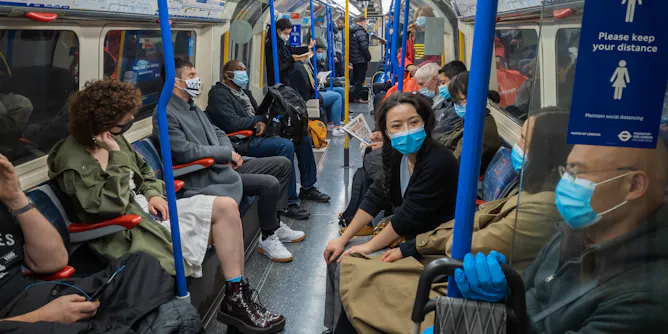
NHS leaders are encouraging people with flu symptoms to mask up in public. Does the science support this advice?
Articles on Mask wearing
Displaying 1 - 20 of 35 articles
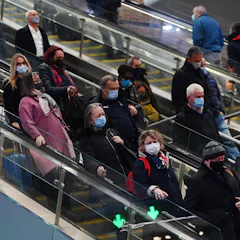
Some experts are calling for a return to masking as new variants emerge.

The pre-Christmas period puts New Zealanders at high risk of exposure to COVID. Even at small gatherings of ten people, the probability someone has the virus has increased from 2-3% to about 15%.

New Zealand has done better than most countries by taking decisive action at the start of the COVID pandemic. Now is the time to build on this with a science-based strategy to manage the next stages.
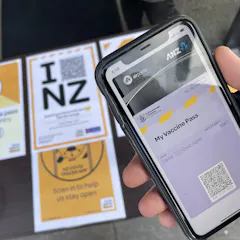
Vaccine passes have outlived their usefulness, at least for now. But as New Zealand’s Omicron wave begins to subside, other public health measures remain vitally important.
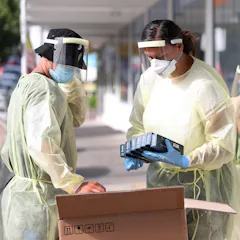
As Omicron cases soar in New Zealand, most people can still avoid getting infected. Even if you share a household with an infected person, catching the virus is not at all inevitable.
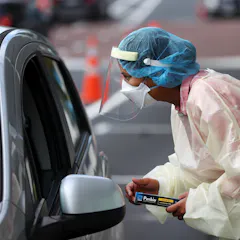
Now that Omicron infection is widespread, the government could improve trust by phasing out travel restrictions and border isolation and reviewing vaccine mandates to ensure they are proportionate.
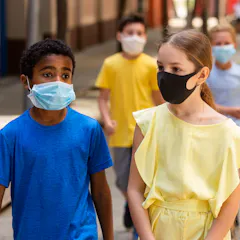
We rely on the spatial arrangement of facial features to process faces, and wearing masks interferes with that — especially for children.
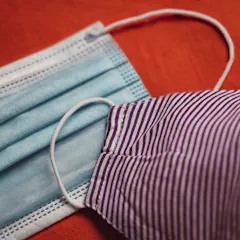
Since the coronavirus first began spreading around the globe, people have debated how effective masks are at preventing COVID-19. A year and a half in, what does the evidence show?
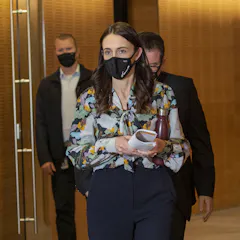
New Zealand continues to pursue an elimination strategy to stamp out community infections with the Delta variant. But it will need incentives and some degree of compulsion to raise vaccination rates.
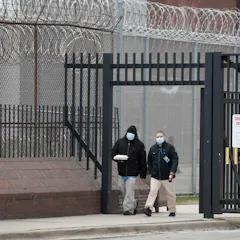
New research shows correctional officers are vectors of infection, driving COVID-19 rates both inside prisons and in their communities.

Robots are more likely than people to misclassify emotions when reading faces that are partially covered. This could lead to unexpected behaviours when they interact with people wearing masks.
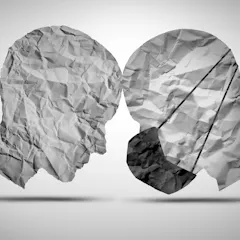
Multiple factors determined whether or not individual Americans adopted COVID-19 safety measures, according to statistical analysis of public opinion data.
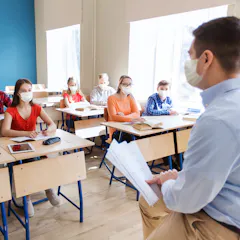
Effective education depends on good communication and relationships, but face masks hinder visual and verbal cues and can be unsettling. So how can teachers and students overcome these issues?
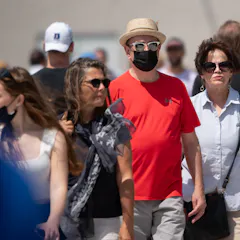
The COVID-19 vaccines are a smash success. But that doesn’t mean they keep every vaccinated person completely free of the coronavirus.

Americans were tired of social distancing and mask-wearing. At the first hint the virus was receding, people pushed to get life back to normal. Unfortunately another surge of the disease followed.

The president wants Americans to be able to celebrate Independence Day with small gatherings. What will it take to get the virus under control by then? Three public health school deans explain.

What if you passed COVID-19 to someone else? For those living with that guilt, the thought could be devastating.
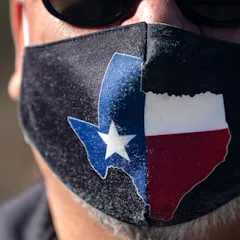
The COVID-19 case spike in the summer of 2020 and earlier attempts to rely on personal responsibility, like wearing seat belts, showed that mandates make a difference.

Are two face masks better than one? Adding layers of filtration by double masking is a way of using the masks that we already have, possibly to better effect.
Top contributors
-

Professor of Public Health, University of Otago
-
Project Lead - COVID Modeling Aotearoa; Senior Lecturer - Department of Physics, University of Auckland; Principal Investigator - Te Pūnaha Matatini, University of Auckland, Waipapa Taumata Rau
-
Senior Lecturer, University of Auckland, Waipapa Taumata Rau
-
Professor of Public Health, University of Otago
-
Professor of Global Biosecurity, NHMRC L3 Research Fellow, Head, Biosecurity Program, Kirby Institute, UNSW
-
Assistant Director of the Center for the History of Medicine, University of Michigan
-
Associate Professor of Political Science, Texas A&M University-Texarkana
-
Associate Professor of Epidemiology and Biostatistics, University of Arizona
-
Assistant Professor, Auburn University
-
Professor of Medicine, University of East Anglia
-
Professor in Applied Mathematics, University of Canterbury
-
Lecturer, UNSW
-
Financial Analyst and Researcher, University of South Florida
-
Associate Professor of Emergency Medicine, University of Florida
-
Project Lead - COVID Modelling Aotearoa; Senior Researcher - ME Research; Principal Investigator - Te Pūnaha Matatini, University of Auckland, Waipapa Taumata Rau