
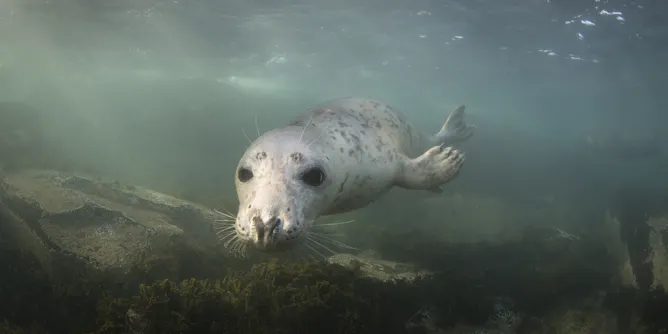
If we are serious about ocean recovery, we need to tackle root causes.
Articles on Marine wildlife
Displaying 1 - 20 of 29 articles
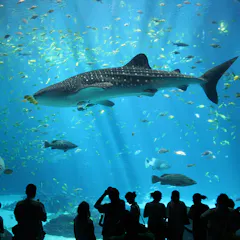
Sharks have had a tough time since the 1970s, when overfishing, habitat loss and a growing trade in their fins began to cut their populations. ‘Jaws’ didn’t help.
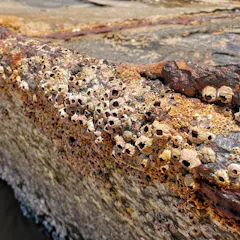
The more corroded marine structures in an area, the more potential new homes for the marine larvae to attach to and grow on.

Since coining the term microplastics 20 years ago on May 7 2004, Richard Thompson reflects on the progress being made to halt plastic pollution.
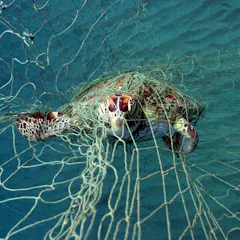
Hi-tech green LED lights attached to fishing gear can act as a deterrent to turtles and help reduce bycatch by approximately 40%.
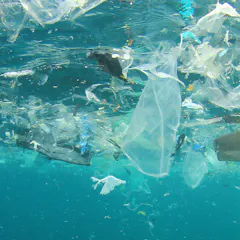
As it travels around the ocean, plastic litter can harm wildlife and marine habitats in many ways. This study highlights five key hotspots where floating plastic poses the biggest risk.
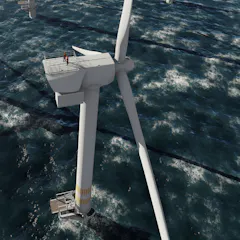
A new study highlights how different literature portrays the pros and cons of offshore wind. Comprehensive assessment frameworks could create more consistency in the future.
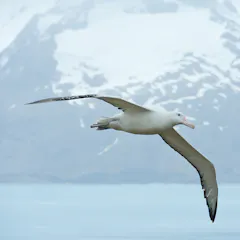
Scientists have long been baffled by how seabirds decide where to go on their long journeys. Our study of wandering albatrosses offers new clues.
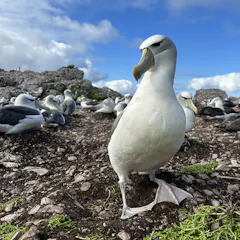
Just as Darwin’s finches evolved specialised beaks to target prey, 3D modelling of 61 museum specimens reveals albatross beaks vary in size and shape for different diets. They can also drink seawater.

Swimming and surfing in the ocean is fun and invigorating. But sharing the water with animals comes with risks to us and them.
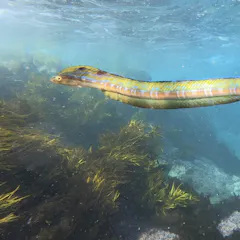
The photographs show how climate change is disrupting our marine ecosystems – sometimes in ways previously unknown to marine scientists.
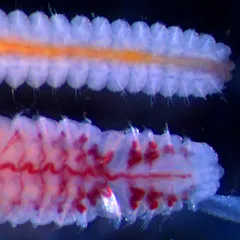
Correctly identifying species is essential for effective management and conservation.
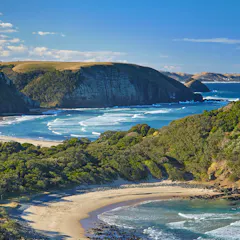
Researchers share their insights on seismic surveys in South Africa.
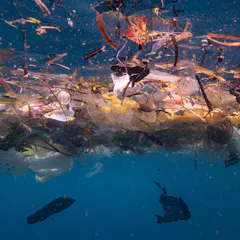
This is up to 35 times more than the estimated weight of plastic pollution on the ocean’s surface.
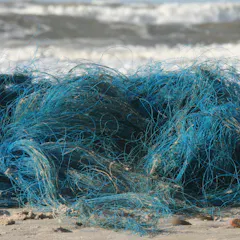
An enormous amount of fishing gear is cut loose in the ocean each year. The losses cut into fishers’ profits and kill marine wildlife. A new project aims to get ghost gear out of the ocean.
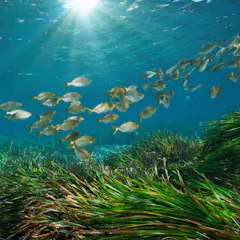
Oxygen produced by these plants helps animals boost their metabolism to match the heat.
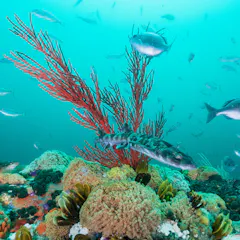
A new network of 20 sites have been declared as marine protected areas in South Africa.
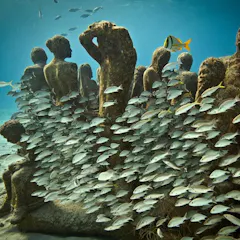
Not everything humans put in the ocean is garbage. From walls of tyres to sunken sculptures, reef restoration is both a science and an art.
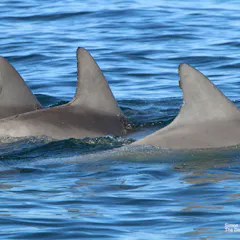
Researchers have discovered male bottlenose dolphins can retain individual vocal labels – or “names” – to help them recognise each other in their social network, much like humans.
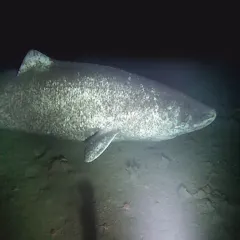
Using baited cameras scientists have captured some of the first underwater video footage of the elusive Greenland shark.
Top contributors
-

Professor of Marine Biology and Aquaculture, James Cook University
-
Adjunct Research Associate, Monash University
-
Senior Curator of Marine Invertebrates, Museums Victoria Research Institute
-
Senior Lecturer and Branco Weiss Fellow, University of Bristol
-
Senior research fellow, University of Wollongong
-
Senior Rearch Fellow in Fisheries Ecology, Southern Cross University
-
Senior Research Scientist - Coastal Restoration, James Cook University
-
Research Associate: Marine Pollution / Ecotoxicology / Microplastics, University of Glasgow
-
Associate Professor in Marine Biology, Swansea University
-
Chief Conservation Officer, Project Seagrass & Research Affiliate, Swansea University
-
Research Fellow, Cardiff University
-
Postdoctoral Fellow at the Department of Zoology and Entomology, Rhodes University
-
Associate professor and Research Chair in Marine Fisheries Ecosystems Dynamics, Memorial University of Newfoundland
-
Adjunct Associate Professor in Marine Science, James Cook University
-
Postdoctoral research fellow, Department of integrative biology, University of Windsor