
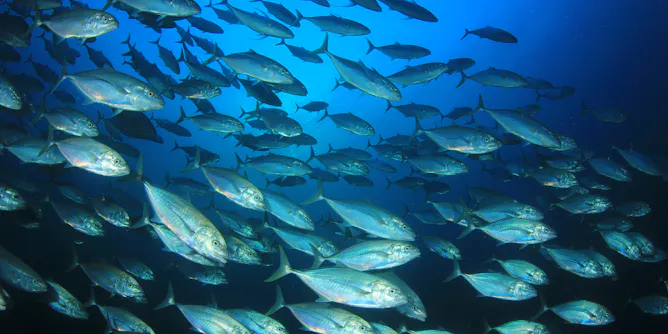
The world has some 500 million square kilometres of ocean. But just 55 million square kilometres remain untouched by intensive human activities such as fishing.
Articles on Marine parks
Displaying 21 - 40 of 78 articles
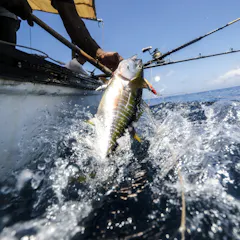
Australia was thought to have some of the most sustainable fisheries in the world, but a recent count has found that fish numbers have plummeted by a third.
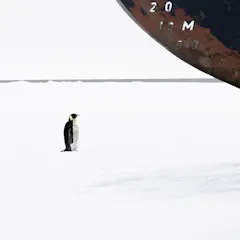
Australia is among nations calling for a 1 million square km marine park off East Antarctica. But Russia and China remain opposed, and a recent summit yet again failed to seal the deal.
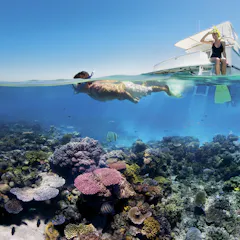
Is Australia undervaluing its most valuable natural asset by only charging $6.50 a day to visit the Great Barrier Reef? And would it help if tourists were asked to pay more?
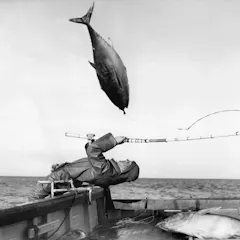
The history of fisheries exploitation in Australia reveals a staggering natural bounty, which has been alarmingly fragile without proper management.
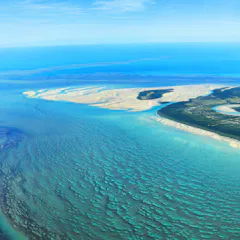
Australia’s reputation as a global leader in marine conservation is being put at risk by plans to strip back sanctuary areas within marine parks, say scientists from around the globe.
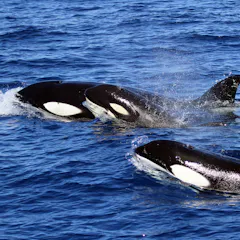
The government aims to dramatically reduce the areas offered full protection and expand zones where fishing is allowed, while also claiming that this will still deliver good conservation.
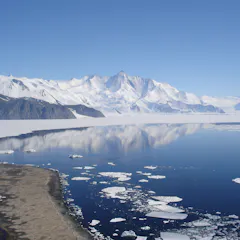
After years of stalled negotiations, China has ended its opposition to the world’s largest marine park off Antarctica - part of a wider trend towards increased Chinese involvement in global governance.
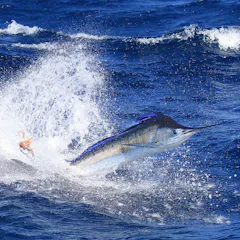
Australia’s oceans would be less protected under recent recommendations.

Many of the iconic coastal villages of Australia have a close association with professional fishing.
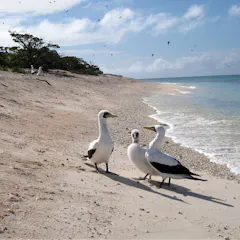
The marine reserves review has recommended major changes to the Coral Sea, but not for the better.
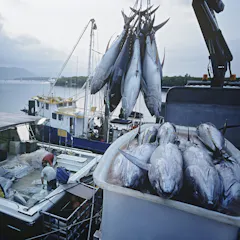
The public and political debate about marine reserves often comes down to one thing: fishing.
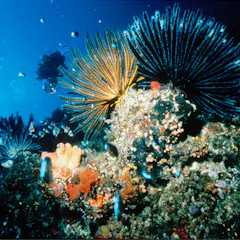
Australia has the third largest marine jurisdiction in the world, a vast ocean territory that contains important natural and biological resources. And it needs protecting.
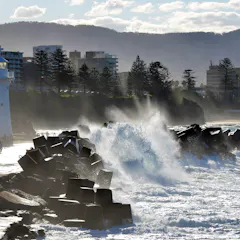
We’ve building in the sea for centuries, and it’s putting our oceans out of balance.
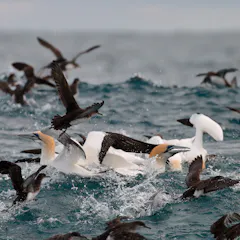
More of Australia’s oceans should be placed under high protection, according to the latest marine reserves review.
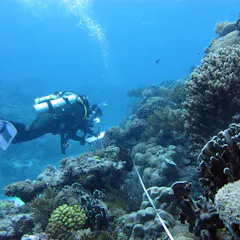
Marine parks need to cover large swathes of ocean, but they also need to cover the right areas if they are to deliver the best conservation. New research off Australia’s northwest suggests how.

Australia and China both have a keen interest in the frozen continent. And while they don’t agree on everything, there is great scope for scientific collaboration.
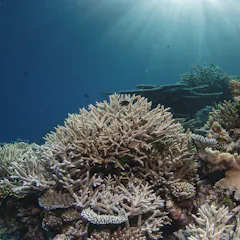
Banning fishing helps fish, but it also helps reef recover from cyclones, disease, and coral bleaching.
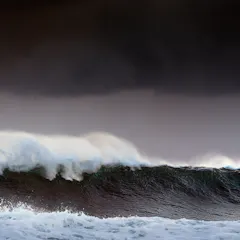
The open oceans are the world’s “wild west”, falling outside any nation’s jurisdiction. UN negotiations are aiming to draft new laws for the high seas.
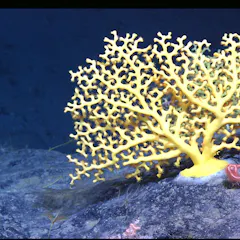
The next cancer breakthrough could be found in international waters – but who’s in charge of the high seas?
Top contributors
-

Professor of Marine Ecology, University of Technology Sydney
-
Wen Family Chair in Conservation, The University of Western Australia
-
Professor, Conservation Biology, The University of Queensland
-
Professor in Conservation Science, School of the Environment, The University of Queensland
-
Principal Research Fellow, University of Wollongong
-
Research Fellow in marine ecosystems, The University of Western Australia
-
Professor, Conservation Planning, ARC Centre of Excellence for Coral Reef Studies, James Cook University
-
Distinguished Professor of Marine Science, King Abdullah University of Science and Technology
-
Associate professor, Singapore Management University
-
Visiting Fellow, University of Technology Sydney
-
Gary Kendrick is a Friend of The Conversation.
Winthrop Professor, Oceans Institute, The University of Western Australia
-
Professor and Head of School of Life Sciences, University of Technology Sydney
-
Research Associate, Curtin University
-
Honorary Fellow, CSIRO
-
Research scientist, The University of Queensland