
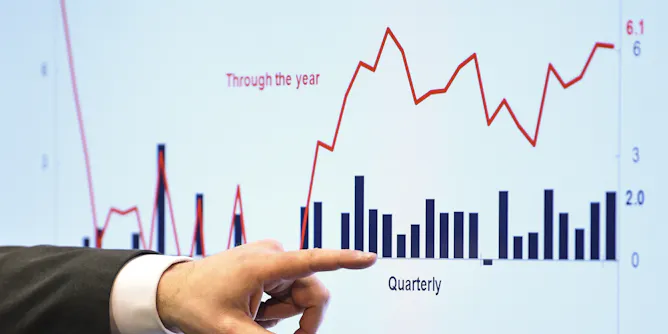
University of Canberra Professorial Fellow Michelle Grattan and University of Canberra Assistant Professor Caroline Fisher discuss the week in politics.
Articles on Manufacturing
Displaying 101 - 120 of 347 articles

In the wake of the pandemic, Anthony Albanese is struggling to find any political chances.
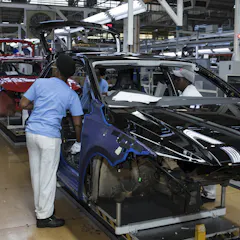
Automation in South Africa’s auto industry may have made car manufacturing easier, faster, and more productive but it comes with social and employment costs.
The federal government is selecting six priority areas for support in a $1.5 billion manufacturing plan Scott Morrison will outline in a pre-budget address.
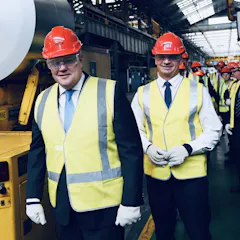
It’s encouraging that the federal government recognises its role in industry policy. But its choice to support some technologies is disappointing.
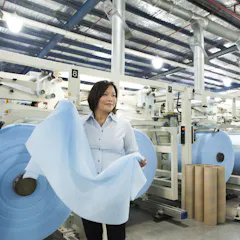
Digitising healthcare and exporting more sustainable protein alternatives are just some ideas that could help Australia’s economy return to form.
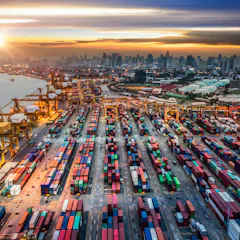
Medical supply shortages during the pandemic revealed that US industries are unable to provide essential goods in a crisis. A return to domestic production would boost incomes and prepare us for the next crisis.

Once a coronavirus vaccine is approved, billions of doses need to be manufactured. Current vaccine production is nowhere near ready, for a variety of reasons, but planning now could help.

New manufacturing processes will revolutionise the way we take our medicines.
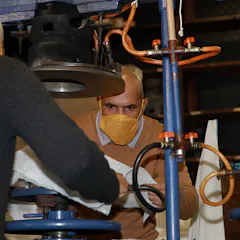
Compliance with occupational health and safety requirements is already poor and few inspections of workplaces are being done.
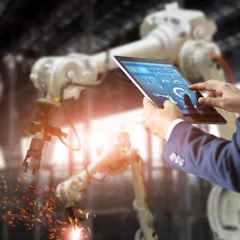
COVID-19 is forcing us to look at business differently.
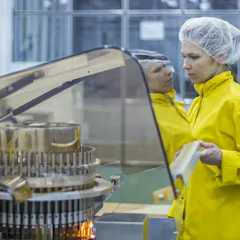
The UK is investing heavily in preparation for mass manufacturing of a working COVID-19 vaccine.
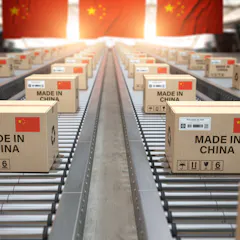
Talks about creating a trans-Tasman bubble have focused on kick-starting short-term economic activity through tourism. But Australia and NZ could also increase manufacturing and trade integration.
The show of compassion is part of an attempt by President Recep Tayyip Erdoğan to revamp Turkey’s international status.
Incarcerated Americans have been tasked with washing hospital laundry, manufacturing protective equipment, disinfecting cleaning supplies and digging mass graves.
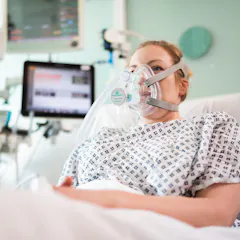
In under 10 days, engineers from UCL and Mercedes F1 reverse-engineered a product, produced a new design, tested it, got regulatory approval and started production.
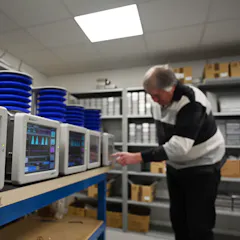
It’s not as simple as churning out more products, though that’s a good starting point.
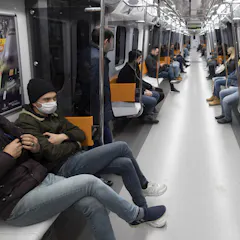
Turkey’s economy was already struggling before the coronavirus pandemic hit. It has few options to limit the impact of the crisis.
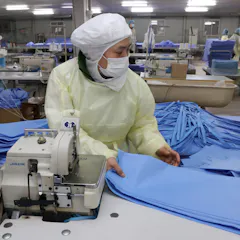
Thousands of Chinese producers are at risk of going bust as a result of the outbreak.
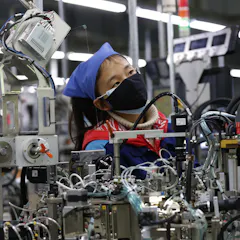
Quarantines and shutdowns in China will have far-reaching effects due to the country’s key position in global supply chains
Top contributors
-

Emeritus Professor of Innovation, University of Technology Sydney
-
Project Officer, Centre for Workplace Leadership, The University of Melbourne
-
Senior Research Fellow in the Department of Political Economy, University of Sydney
-
School of Social Sciences, Monash University
-
Professorial Fellow, University of Canberra
-
Incoming Director of the Australian Institute of Business and Economics at UQ, and Professor of Management, Faculty of Business and Economics, Macquarie University
-
Professor of Economics & Business, Allegheny College
-
Australian Laureate Fellow, University of Sydney
-
Executive Dean, UniSA Business, Adelaide University
-
Professor of Materials Science and Engineering, The Ohio State University
-
Academic Director, Murdoch University
-
Director Future Manufacturing National Research Flagship, CSIRO
-
Professor of Industrial Strategy & Regional Development, Co-Director Centre for Governance, Regions and Industrial Strategy (CGRIS), University of Bath
-
Australia's Chief Scientist, Office of the Chief Scientist
-
Professor of Management, Faculty of Business and Economics, The University of Melbourne