
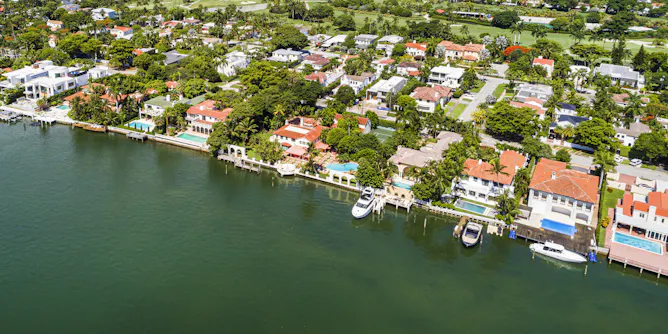
Subsidized insurance makes waterfront property seem safer than it is for wealthier buyers, while many low-income homeowners face repeat disasters with no help.
Articles on Managed retreat
Displaying 1 - 20 of 28 articles
Research shows we need to air grievances, find areas of agreement between warring factions and allow affected people and planners to debate what’s fair.
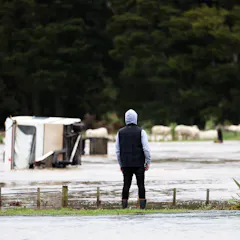
Post-disaster reviews show NZ repeats the same warnings. Breaking the cycle means stronger laws, clearer responsibilities and greater funding.
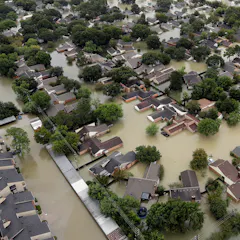
In general, people are moving to safer homes after disasters, but the vast majority are selling, meaning someone else is now taking on that risk. Buyout programs can help.
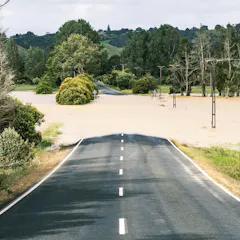
From Australia to Sweden to New Zealand, these towns demonstrate how managed retreat in action is a fine balancing act between history, culture and community.

Managed retreat can be traumatic and hard. But with good planning, the land left behind can serve new purposes, and make public what was once private.

It starts with better building policies that recognize future risks, but there are many other important steps.
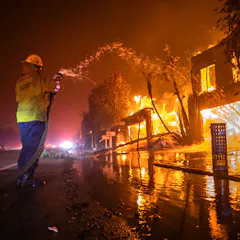
Accepting change in the aftermath of natural disasters is hard. But long-term survival may require embracing managed retreat rather than repeated rebuilds.
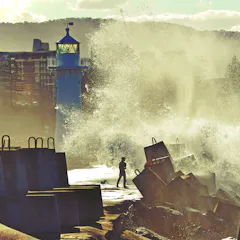
We make long term plans for railways, submarines and manufacturing. Why not for getting ready for rising seas?

New research has mapped public submissions to the National Adaptation Plan. With a cross-party inquiry getting under way, four imagined futures are emerging that present a way forward.
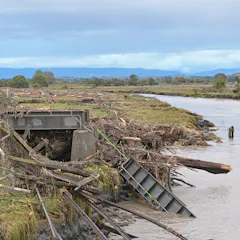
Labour’s ‘Adapt and Thrive’ plan for climate resilience is unlikely to survive the new government’s priorities. But the country cannot avoid addressing its urgent infrastructural deficit.
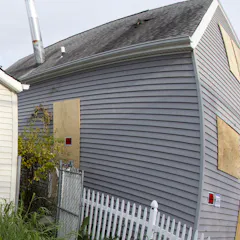
FEMA runs the largest managed retreat program in the country, Two disaster response experts looked at the demographics of who gets those buyouts and where they go.
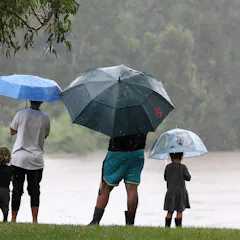
Building on floodplains was never a good idea and climate change makes matters worse. But in Queensland, Voluntary Home Buybacks are working for Ipswich, a year on from the devastating floods.
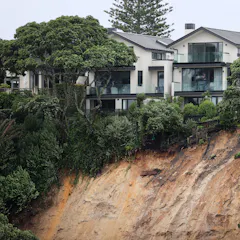
Storms, flooding and other climate-related events highlight the urgent need for a national managed retreat framework. Past experiences suggests it will involve many challenges.
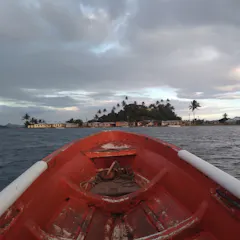
Residents are living with the impacts of climate change and know it’s happening. But leaving their homes would strike at the heart of their identity.

Booming prices for coastal properties are a mark of our reluctance to reckon with the climate change that is already upon us. We must start to properly account for and act on climate risk.
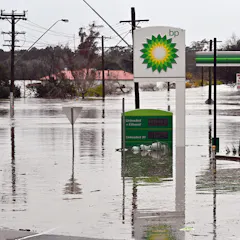
Property buybacks and managed retreat from high-risk areas were once seen as far-off options as the planet warms. Now this ‘last resort’ adaptation to climate change is an urgent priority worldwide.
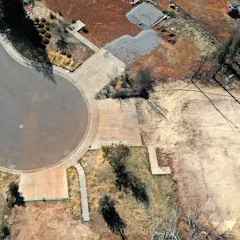
Managed retreat is already common in flood-prone areas, but what about in neighborhoods at high risk from wildfires? Here are four ways communities can pull back for safety.
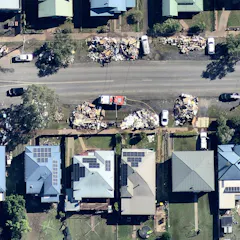
Lismore’s residents and businesses on the floodplain need to look at relocation, not rebuilding.

Are we setting up individuals and families for ruin by allowing them to build back in areas where they can’t afford insurance? And should taxpayers bear the huge costs of future rescues and relief?
Top contributors
-

Senior Lecturer in Environmental Planning, University of Waikato
-
Professor of Environmental Planning, University of Waikato
-
Honorary Associate Professor, Australian National University
-
Senior Lecturer, Department of Tourism, Sport and Society, Lincoln University, New Zealand
-
Associate Professor of Environmental Science and Policy, University of Miami
-
Professor of Sociology, Rice University
-
Assistant Professor, Disaster Research Center, University of Delaware
-
Senior Spatial Research Analyst, Kinder Institute for Urban Research, Rice University
-
Professor in Natural Hazards Planning and Resilience, Te Kunenga ki Pūrehuroa – Massey University
-
Visiting Research Fellow, Adelaide University
-
Professor in Geography, The University of Melbourne
-
Research Fellow, School of Architecture and Built Environment, Queensland University of Technology
-
Professor of Urban Design, Planning, and Sustainability, University of California, Davis
-
Distinguished Professor of Earth & Planetary Sciences, University of California, Santa Cruz
-
Associate Professor of Landscape Architecture and Environmental Design, University of California, Davis