

In families that are facing economic insecurity, fathers are more likely to experience depressive symptoms that can lead to conflict.
Articles on Low-income
Displaying 21 - 40 of 44 articles

Researchers find that households without enough diapers for their children are more likely to struggle with other hardships.

The risk from heat waves is about more than intensity – being able to cool off is essential, and that’s hard to find in many low-income areas of the world.
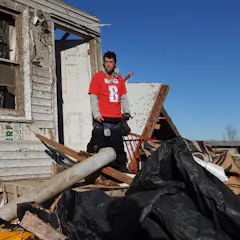
The most affordable homes face the highest risks from disasters for three key reasons.

Students from low-income backgrounds fare better when they are able to take career and technical classes in STEM, new research shows.

Public investments in benefit programs could save tens of thousands of children from being victims of child abuse and have important later-life effects on child welfare and overall health.

Net price calculators – online tools meant to estimate what students will actually pay for college – can produce varying results for students in similar economic situations, researchers find.
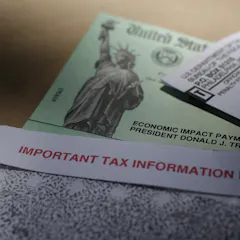
The $1.9 trillion package gets a lot of stuff right, but the direct payments are not among them, argue two economists.
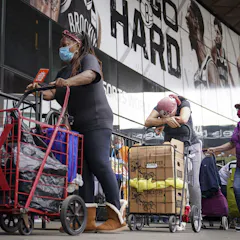
A survey of the impact of the first few rounds of coronavirus aid shows that most of those who lost jobs or wages due to the pandemic were facing severe economic hardship.

Because the rich often have complicated deductions that dabble in the gray areas of tax law, it’s simply easier to audit the straightforward taxes of the working poor.
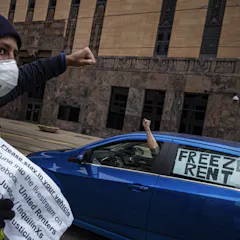
Current measures prohibiting the eviction of tenants and helping them through the financial crisis won’t last forever. A 40-year-old voucher program might be a longer term solution.
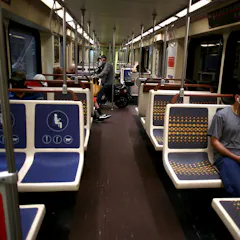
One in 5 of the poorest US households don’t have a car and rely on public transportation to get around.

New research shows that low-income students who qualify for the federal Pell Grant tend to go to non-selective colleges – and why that hurts their chances of graduation.

A narrow definition of family can neglect the experiences of many people and can impact policy and programs. It’s time to expand our ideas of what family means.

Prodded by Michelle Obama and other government leaders, Walmart and other major US retailers vowed to build hundreds of stores in food deserts. What happened?

The Earned Income Tax Credit was established in 1975 to reduce payroll taxes and help with rising prices for low-income families. Today, it could help poor families with housing.

The drumbeat of data breaches and the growing problem of identity theft disproportionately harm low-income Americans.

A huge rise in head lice and nits is expected in schools due to the NHS scrapping treatment.
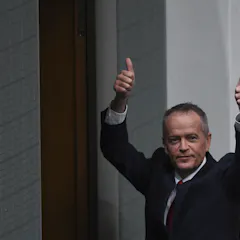
Labor’s plan to axe franking credit refunds has reignited debate over the income and wealth of older Australians.

Are preschool teachers with college degrees better at their jobs?
Top contributors
-

Professor of Landscape Architecture and Urban Planning, Texas A&M University
-
Associate Teaching Professor of Business and Economics, Georgetown University
-
Lynton K. Caldwell Professor of Public Affairs, Indiana University
-
Associate Professor of Landscape Architecture and Urban Planning, Texas A&M University
-
Associate Professor of Engineering, Georgia Institute of Technology
-
Presidential Distinguished Professor of Energy Policy and City Planning, University of Pennsylvania
-
Associate Professor of Economics, Carleton University
-
Associate Professor in Invertebrate Biology, University of Reading
-
Assistant Professor of Economics, The University of Texas at Austin
-
Assistant Professor of Public Health Nutrition, University of Vermont
-
Assistant Professor of Social Work, The Ohio State University
-
Associate Professor of Sociology, Duke University
-
Venable Professor of Law, University of Baltimore
-
Adjunct Professor of Pediatrics and Health Policy and Management, University of California, Los Angeles
-
Professor & Greenbaum/Ferguson/NJAR Endowed Chair in Real Estate Policy, Monmouth University