

SARS-CoV-2 is not the first virus to cause unexplained chronic illness, but the sheer size of this pandemic means more people will develop long COVID.
Articles on Long COVID
Displaying 101 - 120 of 148 articles

People who are vaccinated are less likely to get long COVID, with lower rates of symptoms reported among those who have had their booster.

A new study has analysed UK data from long-term health surveys and electronic health records to understand how common long COVID is, and who might be at higher risk.

We need to take an urgent look at how we manage and treat long COVID. If we don’t start planning now, the problem will only get worse.

What do disadvantaged communities need to weather long COVID? Ask them.
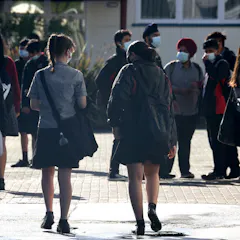
The government’s COVID policy for schools needs to shift from insisting on attendance to supporting the well-being of children, staff and families wherever they are.

A study of more than 28,000 UK adults has found that vaccination after having COVID is linked to a decrease in long COVID symptoms.

Many young people with long COVID won’t have experience of a long-term illness. Here’s what to keep in mind.
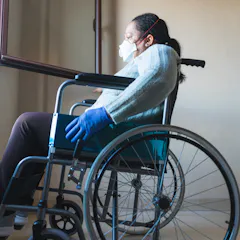
Many people want to go ‘back to normal’, but this isn’t possible for many disabled people.

Studies show long COVID is common enough to be a major public-health threat. It can damage the brain and other organs and may remain silent during childhood but cause chronic disease in later life.

Typically, people who experience psychosis encounter it in young adulthood or alongside dementia later in life. Post-COVID psychosis can hit adults in their middle years.
It feels like everyone around you has or is recovering from COVID. Maybe you’re fatigued and wondering if it’s an after-effect? Antibody tests could confirm it one way or another.
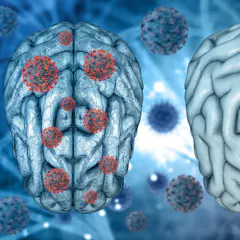
New research offers insights into the brain after COVID-19 that may have implications for our understanding of long COVID-19 and how the disease affects our senses of taste and smell.
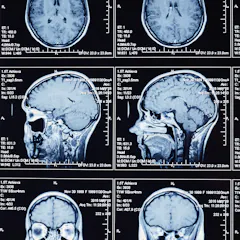
Brain changes including shrinkage, weakened connections and poorer performance on thinking and memory tests could explain ‘brain fog’ after COVID – even after ‘mild’ cases.
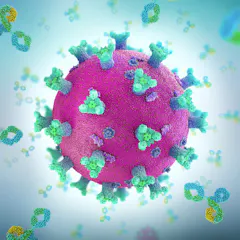
COVID-19 has taken away so much. An immunology researcher describes the good it may leave behind.

The economy doesn’t have a real inflation problem, and not recognising the difference is the biggest danger.

Not much is known about “long COVID,” including who, when or how badly it will strike, how long it might take to recover, or whether complete recovery is possible for all.

A panel of experts answer questions about vaccines, omicron and other COVID-related issues in a discussion with The Conversation.

More cases of long COVID can put strain on our health system. So we need to think about where and how we offer care.

The delay in vaccinating children means public health measures will be vital in keeping COVID under control in the community.
Top contributors
-

Professor of Public Health, Te Kunenga ki Pūrehuroa – Massey University
-
Research Associate Professor of Public Health, University of Otago
-
Professor of Public Health, University of Southampton
-
Professor of Public Health, University of Otago
-
Senior Research Fellow, The Perron Institute for Neurological and Translational Science, and Faculty of Health Sciences, Curtin University
-
Director and CEO, Burnet Institute
-
Professor of Immunology, RMIT University
-
Associate Professor, STEM | Health and Biomedical Sciences, RMIT University
-
Conjoint Professor, School of Medicine and Public Health, University of Newcastle
-
Clinical Epidemiologist, Washington University in St. Louis
-
Professor of Genomic Epidemiology and Hon Consultant Rheumatologist, King's College London
-
Research Fellow, The University of Western Australia
-
SHARP Professor, Vitalities Lab, Centre for Social Research in Health and Social Policy Centre, and the ARC Centre of Excellence for Automated Decision-Making and Society, UNSW
-
Associate Professor, Child and Adolescent Health, University of Sydney
-
Associate Professor and Chief Health Officer - COVID and Health Emergencies, Burnet Institute