
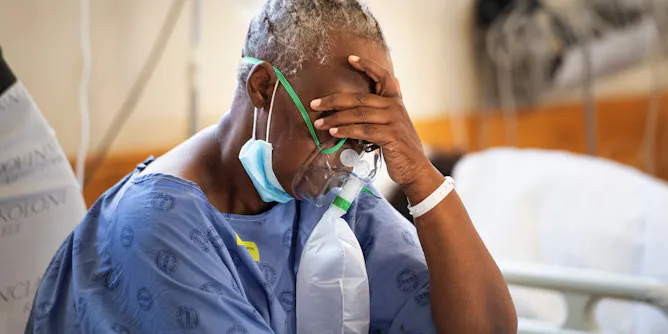
Long COVID isn’t purely a biological problem; it’s a human one, shaped by both physiology and lived experience.
Articles on Long COVID-19
Displaying 1 - 20 of 24 articles
The FDA’s new framework for COVID-19 vaccines breaks from established procedure for how the government establishes vaccine guidelines.

Black Americans were disproportionately affected by COVID-19 infections, illness and death during the pandemic. But the long-term toll of long COVID among this group is still largely overlooked.
Conditions such as long COVID-19, Alzheimer’s disease and meningitis can damage the line of communication between your brain and your muscles.
A new study finds the risks of developing long COVID declined over the first two years of the pandemic. But unvaccinated adults were more than twice as likely to get long COVID compared with those who were vaccinated.

Two new high-profile studies add to the increasingly worrisome picture of how even mild cases of COVID-19 can have detrimental effects on brain health.
There’s no one-size-fits-all approach for long COVID treatment, but exercise focusing on breathing and pacing yourself throughout the day often helps.

While there are still far more questions than answers about long COVID-19, researchers are beginning to get a clearer picture of the health and economic consequences of the condition.
Nurses who identify as Democrats have a significantly higher likelihood of having their children vaccinated against COVID-19 than those who identify as Republicans.

How does stress impact the body’s ability to fight infection?
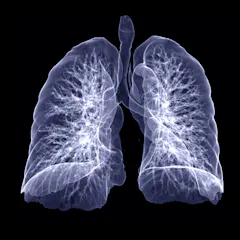
Understanding how injury and disease, including COVID-19, can impair lung function can help researchers and clinicians better help patients who are experiencing chronic conditions

A new study finds that misdirected immune responses can persist for months in those who are suffering from long COVID-19.
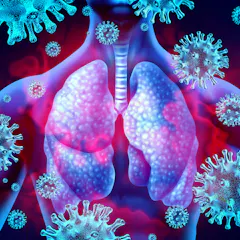
While a strong immune response is essential to fight against viral infection, an immune system that continues to stay active long after the virus has been cleared can lead to lung damage.
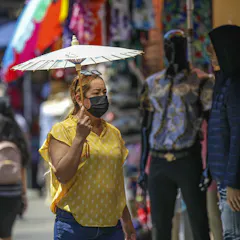
Face masks are still an effective way to help stop the spread of the BA.5 subvariant.

As COVID-19 survivors join the ranks of people with disabilities, they could have a long wait to get the support they need.
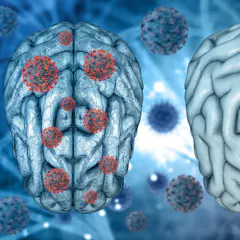
New research offers insights into the brain after COVID-19 that may have implications for our understanding of long COVID-19 and how the disease affects our senses of taste and smell.
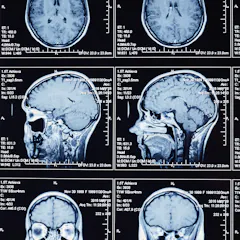
Brain changes including shrinkage, weakened connections and poorer performance on thinking and memory tests could explain ‘brain fog’ after COVID – even after ‘mild’ cases.
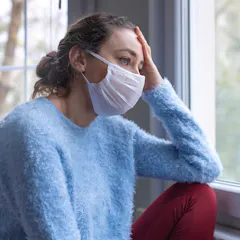
Not much is known about “long COVID,” including who, when or how badly it will strike, how long it might take to recover, or whether complete recovery is possible for all.
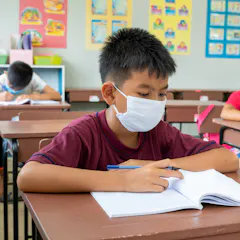
When a student suffers a concussion, their school typically offers certain accommodations – lighter workload, rest breaks, more time to complete tests. Do kids with long COVID need the same?

Sufferers collected evidence of their persistent symptoms, and advocated for themselves and for further research. Even the term ‘long COVID’ stems from this activism.
Top contributors
-

Clinical Epidemiologist, Washington University in St. Louis
-
Associate Professor, Texas A&M University
-
Associate Professor of Women's Gender & Sexuality Studies and Human Development & Family Sciences, University of Connecticut
-
Instructor of Human Immunology, Emory University
-
Group Leader, Queensland Brain Institute, The University of Queensland
-
Senior Research Fellow, The Perron Institute for Neurological and Translational Science, and Faculty of Health Sciences, Curtin University
-
Associate Professor of Psychology, University of Dayton
-
Lead Research Scientist of Global Health Metrics, University of Washington
-
Assistant Professor of Medicine, University of Virginia
-
Professor of Health Metric Sciences, University of Washington
-
Ph.D. Candidate in Immunology, University of Virginia
-
Assistant Professor of Neurology and Neurosurgery, University of Florida
-
Adjunct Professor of Epidemiology, University of Texas Health Science Center at Houston
-
Professor and Department Chair of Infectious Diseases and Microbiology, University of Pittsburgh
-
Associate Professor, Division of Infectious Diseases, Department of Medicine, McMaster University