

But there was little effect on fatigue.
Articles on Long COVID
Displaying 41 - 60 of 148 articles

Recognition and support from health-care professionals are essential for a fast and full recovery from long COVID.
Australia seems to be focusing on boosters for people aged 75 and over, with its latest recommendations. But that may change.

How are people with long COVID faring two years after their initial infection? Many have recovered. Some still struggle with symptoms – this is more likely for those who were initially hospitalised.
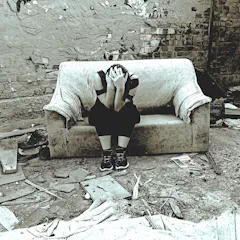
More than half our interviewees described feelings of profound anguish as long COVID forced them to doubt their identity and question their life purpose

As COVID finds its equilibrium, infection rates will rise and fall, influenced by seasons, school holidays and new subvariants. Managing the risk is complex and needs to be cost effective.

Everyday tasks, such as washing your hair, become impossible.

We used a series of ‘brain training’ style tasks to assess how a COVID infection and persistent symptoms affected cognitive function.

A recent study found that among people who were overweight or obese, taking metformin during a COVID infection reduced the risk of developing long COVID by 40%.

Firstly, there is no such thing as ‘too much’ immunity. Beyond the regular side-effects of a vaccine, there are no known additional risks to being re-vaccinated soon after an infection.

Of all symptoms studied, fatigue was associated with the biggest effect on long COVID patients’ daily lives.
We know from other viruses that viral fragments can remain in different tissues for months or even years. This could be the case for long COVID.

Studies from multiple countries have found that long COVID is linked to an increased likelihood of not working. Here’s what’s happened in the UK.
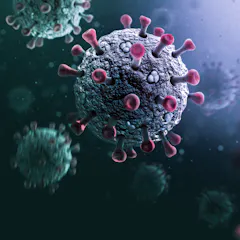
With the emergency phase of the COVID-19 pandemic in the rearview mirror, at least for now, we look back on a handful of stories that provided sharp insights at key moments in the pandemic.

Could CBT, a widely used form of ‘talking therapy’, help people who have persistent fatigue after having COVID? A recent study suggests it could.

There’s no one-size-fits-all approach for long COVID treatment, but exercise focusing on breathing and pacing yourself throughout the day often helps.

People with long COVID report that their symptoms are dismissed or not treated seriously by health-care providers. This medical gaslighting not only prevents treatment but can cause stigma and shame.
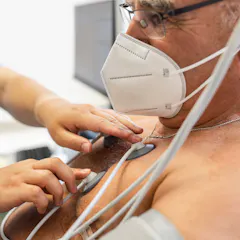
Many people with long COVID experience persistent debilitating symptoms like fatigue and brain fog. But a few develop more life-threatening and lasting damage to their heart and brain.
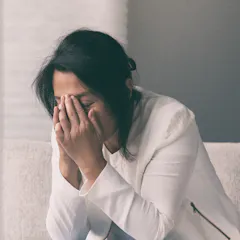
There are a range of reasons people with long COVID may have poorer mental health.
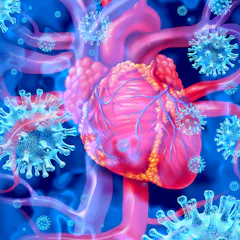
Parsing the risk of myocarditis from viral infection versus vaccination is challenging, and researchers are intensely studying the various factors that are at play.
Top contributors
-

Professor of Public Health, Te Kunenga ki Pūrehuroa – Massey University
-
Research Associate Professor of Public Health, University of Otago
-
Professor of Public Health, University of Southampton
-
Professor of Public Health, University of Otago
-
Senior Research Fellow, The Perron Institute for Neurological and Translational Science, and Faculty of Health Sciences, Curtin University
-
Director and CEO, Burnet Institute
-
Professor of Immunology, RMIT University
-
Associate Professor, STEM | Health and Biomedical Sciences, RMIT University
-
Conjoint Professor, School of Medicine and Public Health, University of Newcastle
-
Clinical Epidemiologist, Washington University in St. Louis
-
Professor of Genomic Epidemiology and Hon Consultant Rheumatologist, King's College London
-
Research Fellow, The University of Western Australia
-
SHARP Professor, Vitalities Lab, Centre for Social Research in Health and Social Policy Centre, and the ARC Centre of Excellence for Automated Decision-Making and Society, UNSW
-
Associate Professor, Child and Adolescent Health, University of Sydney
-
Associate Professor and Chief Health Officer - COVID and Health Emergencies, Burnet Institute