

The prevalence of long COVID is more than a hundred times greater than the definition of a rare disease – yet there are no specific health services or support.
Articles on Brain fog
Displaying 1 - 20 of 22 articles

This debilitating brain disease is rare. But its early symptoms are often mistaken for anxiety, depression, chronic fatigue or dementia.

The six pillars of lifestyle medicine can support your brain during menopause – and beyond.

Is nicotine a useful remedy or a dangerous experiment?
Functional neurological disorder can be hard to distinguish from other conditions. Some patients feel misunderstood and their symptoms dismissed.

We calculated lost productivity due to long COVID. The impacts were greatest among people aged 30 to 49.

Two new high-profile studies add to the increasingly worrisome picture of how even mild cases of COVID-19 can have detrimental effects on brain health.

Experts examine the five questions they commonly hear from women and girls about their hormones and ADHD symptoms.

We used a series of ‘brain training’ style tasks to assess how a COVID infection and persistent symptoms affected cognitive function.

We’re still learning about long COVID – but working with a physio or occupational therapist on goal-setting could help you get back into your usual routine.

The good news is memory function may improve again over time.
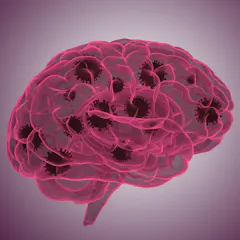
Many people face persistent cognitive symptoms after COVID-19. A new study, which grew and examined 3D models of the human brain, offers a possible explanation as to why this might be.

We’ve become used to the term ‘brain fog’ in connection to long COVID. But what is it and how do you know if you have it?

People who get COVID continue to face increased risks of developing some neurological and psychiatric conditions, like psychosis and dementia, for up to two years afterwards.

We need to take an urgent look at how we manage and treat long COVID. If we don’t start planning now, the problem will only get worse.

A new study finds that the cognitive loss from severe COVID is the same as losing 10 IQ points.

As COVID-19 survivors join the ranks of people with disabilities, they could have a long wait to get the support they need.
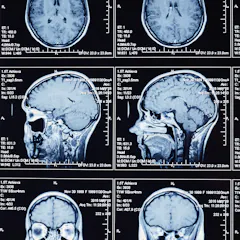
Brain changes including shrinkage, weakened connections and poorer performance on thinking and memory tests could explain ‘brain fog’ after COVID – even after ‘mild’ cases.

Pollution from more frequent floods and wildfires – exacerbated by the warming climate – is threatening human health and poses particular risks to the brain.

Researchers are piecing together clues to better understand the puzzling array of symptoms in those who never seem to fully recover from COVID-19.
Top contributors
-

Senior Research Fellow, The Perron Institute for Neurological and Translational Science, and Faculty of Health Sciences, Curtin University
-
Senior Lecturer in Physiotherapy, Victoria University
-
Professor, Head of Division of Anaesthesia, University of Cambridge
-
Assistant Professor of Neurology, Icahn School of Medicine at Mount Sinai
-
Assistant Professor, Department of Physiology and Pharmacology, Karolinska Institutet
-
Professor in Cognitive Neuroscience, Director of Research, Turner Institute for Brain and Mental Health, Monash University
-
Professor in Restorative Neurosciences, Imperial College London
-
Professor, Neurologist and Clinical Director, Florey Institute of Neuroscience and Mental Health
-
Professor in Occupational Therapy, Western Sydney University
-
Research Scientist, Colorado State University
-
Conjoint Professor, School of Medicine and Public Health, University of Newcastle
-
Senior clinician, physiotherapy, Liverpool Hospital:, Western Sydney University
-
Psychologist and Research Associate in the Department of Paediatrics, Monash University
-
Professor of Psychiatry, University of Oxford
-
Associate Professor of Women's Gender & Sexuality Studies and Human Development & Family Sciences, University of Connecticut