
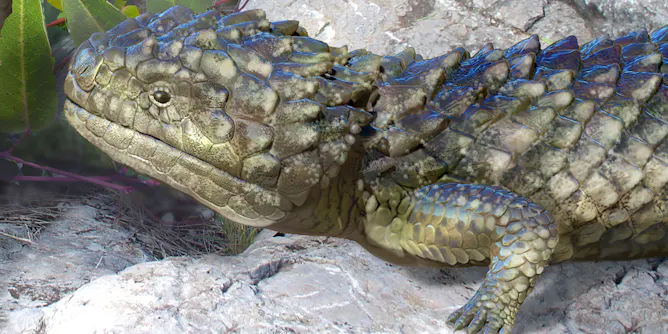
Researchers have found an armoured fossil skink 1,000 times heavier than the ones in your garden. Its closest living relative is the shingleback lizard.
Articles on Lizards
Displaying 21 - 40 of 68 articles

The ways eastern fence lizards have changed in response to red imported fire ants demonstrate how species can adapt to survive the presence of invasive predators.
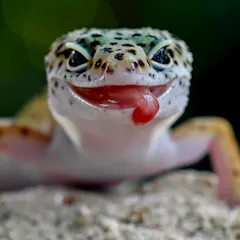
In a warming world, a species’ ability to acclimatise to temperatures is crucial. But young ectotherms can struggle to handle the heat.

New research has found that since the mid-1980s, the economic impact of invasive reptiles and amphibians totals more than US$17 billion.
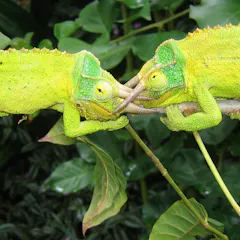
Researchers wanted to understand what happens when chameleons – animals that display dynamic colour change – find themselves in an environment without their natural predators.
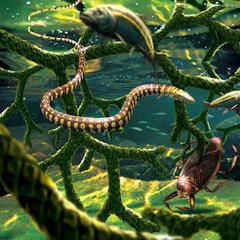
In 2015, a published article described the fossil of a four-legged snake. New research has revealed that it is in fact a lizard, and the fossil is the centre of a scientific ethics debate.
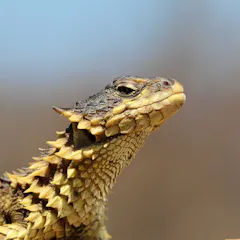
By quantifying an animal’s glucocorticoid levels, scientists can learn crucial information about physiological stress and chances of survival.

Detailed field notes can help researchers track down rare species.
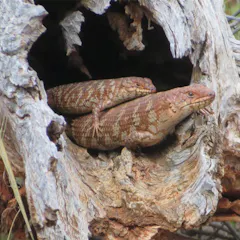
Spiny-tailed skinks, also known as meelyu, are culturally significant to the Badimia people in Western Australia. But habitat degradation and mining have put them at threat of extinction.
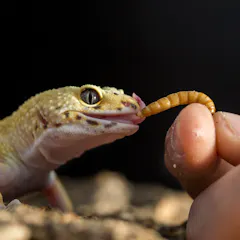
Reptiles get a bad rap, but this is because they’re misunderstood. Promoting healthy reptile pet ownership can contribute to conservation and education efforts.
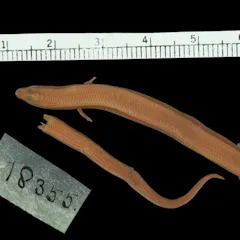
Species distribution data – or a lack thereof – can have a major bearing on how a country’s Key Biodiversity Areas and protected areas are designated.

Two tongue tips are better than one – an evolutionary biologist explains why snakes have forked tongues.

There are too many little-understood species for scientists to study them all. A new approach helps decide which ones to tackle first.
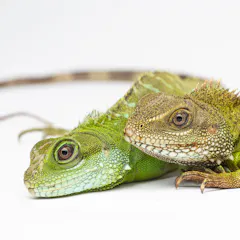
Parthenogenesis, a form of reproduction in which an egg develops into an embryo without being fertilized by sperm, might be more common than you realized.
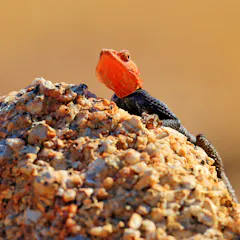
By eliminating the less fit individuals over time, predation can drive the population to increasing fitness in terms of survival and reproductive success.
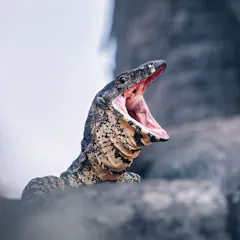
Australia is known as the ‘land of the lizards’. These photos show why they deserve more of your attention.
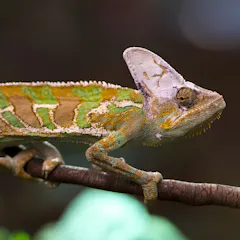
Reptiles are consistently overlooked by regulators of the trade in wildlife, but many face extinction in the wild.
Some skinks have been known to kill their babies – but one remarkable species goes to any lengths to save them.
With targeted conservation action, we might just save many of these species before it’s too late.
With careful observation, you can start to recognize that one sassy squirrel or the cardinal pair who call your neighborhood home.
Top contributors
-

Assistant Professor of Ecology and Evolution, Georgia Institute of Technology
-
Senior Curator, Terrestrial Vertebrates, Museums Victoria Research Institute
-
Senior Research Scientist, South Australian Museum; Flinders University
-
Research Officer Herpetology, Museums Victoria Research Institute
-
PhD Student, Biological Sciences, Brock University
-
Professor in Ecology and Conservation, Monash University
-
Director of the Gothenburg Global Biodiversity Centre, University of Gothenburg
-
Research Associate in Evolutionary Biology, Adelaide University
-
Lecturer, Lúrio University
-
Post-doctoral fellow, Australian Landscape Trust, Calperum Station, James Cook University
-
Professor in Zoology, James Cook University
-
Senior Lecturer, Evolutionary Biology, University of Sydney
-
Associate Professor in the School of Humanities and Communication Arts, Western Sydney University
-
Associate Professor, School of Arts and Media, UNSW
-
Associate professor in Vertebrate Palaeontology, University of the Witwatersrand