
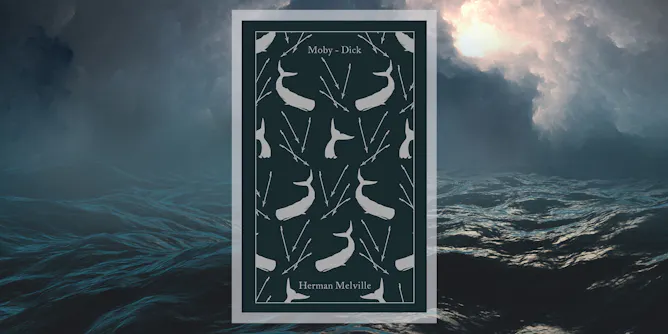
Early readers knew Moby-Dick for what it was: an extreme and ambitious form of popular genre fiction.
Articles on Literature
Displaying 141 - 160 of 1002 articles
The exhibition unites the incredible works of two outstanding personalities of the Regency era.
The poet obsessively collected images of himself, foreshadowing both the good and the bad of today’s selfie culture.
The poem reveals the mind-numbing conditions and physically exhausting jobs that were relentlessly inflicted on prisoners in Wilde’s day.

Dorcey’s poetry funnelled her activism into a charged critique of traditional Irish life.
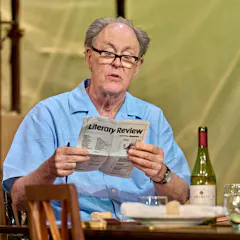
The play features a masterly performance by John Lithgow in the role of Dahl.

The five canons of classical rhetoric – invention, arrangement, style, memory and delivery – can be very helpful when writing a speech.
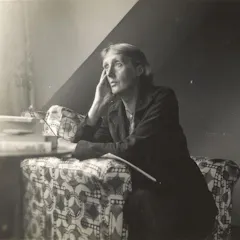
A century on, Mrs Dalloway speaks in so many ways to our own moment of militarisation, neo-imperialism and political crisis.
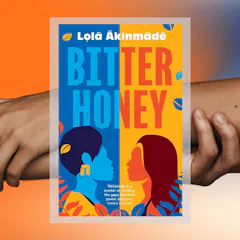
There’s an urgent question running through Bitter Honey. What does it mean to parent when your life has been violently derailed by structures beyond your control?
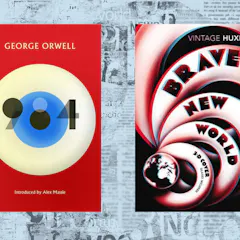
In an era when all sorts of systems of control limit our freedoms, many don’t quite fit the template that Orwell or Huxley imagined – but combine elements of both.

Both art forms encourage us, the listeners, to react, reflect and ultimately select with which speaker to side.

We all know what racism looks like. It’s loud, it’s angry, it’s terrifying. But when it’s hidden in imagery and connotations, it’s much more sinister.
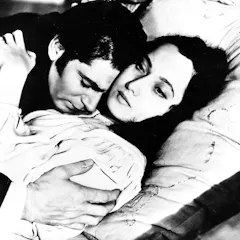
Wuthering Heights explores the absolute power that marriage can grant to abusive men.
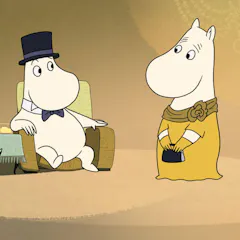
Moominmamma is resourceful, and shows it is possible to survive a long and arduous journey without a weapon, instead using her bag.
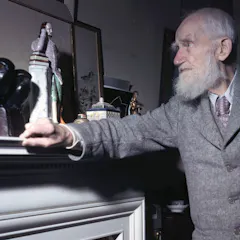
Reading and writing poetry, which is anchored in patterns of words, images, sounds and forms, is particularly well suited for people with autism.

In Chinese folk religious beliefs, neglected ancestors become hungry ghosts, unleashing misfortune and environmental destruction.
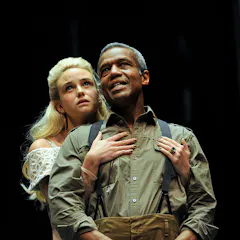
The meaning of ‘happiness’ was in flux in Shakespeare’s England, and his plays capture many senses of the word.

‘If the book we are reading doesn’t wake us up with a blow on the head, what are we reading it for?’
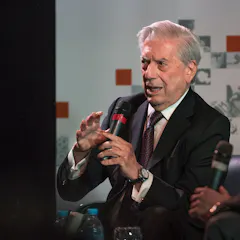
The Peruvian Nobel prize-winning author was intensely committed to his craft.
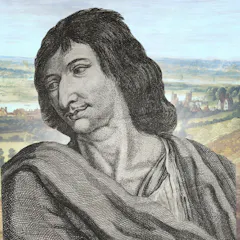
The discovery sheds new light on 17th-century literary, political and libertine culture.
Top contributors
-

Associate Professor in Literary Studies, Monash University
-
Professor in Politics and Journalism, University of Notre Dame Australia
-
Distinguished Professor Emerita of Creative Practice, Faculty of Arts and Design, University of Canberra
-
Associate Professor of Postcolonial and Global Literatures, Nottingham Trent University
-
Professor, Chair of Australian Literature, The University of Western Australia
-
Professor of English, Institute for Humanities and Social Sciences, ACU, Australian Catholic University
-
Associate Professor, Creative Writing and Literary Studies, Victoria University
-
Lecturer, School of Design, University of Technology Sydney
-
Visiting Fellow, Centre for Cultural and Creative Research, University of Canberra, University of Canberra
-
Honorary Fellow of the School of Languages and Linguistics, The University of Melbourne
-
Postdoctoral Fellow, Contemporary English Literature and Critical Theory, University College Dublin
-
Professor, School of Culture and Communication, The University of Melbourne
-
Honorary Associate in Creative Writing, The Open University
-
Lecturer in Contemporary Literature, La Trobe University
-
Professor of English Literature, Anglia Ruskin University