
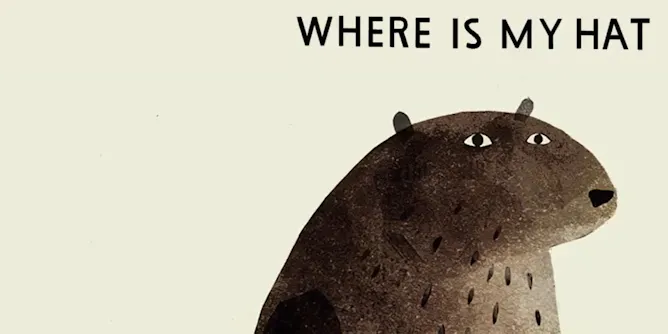
Canadian author and illustrator Jon Klassen has won the the Astrid Lindgren Memorial Award, one of the world’s most prestigious distinctions in children’s literature.
Articles on Literary awards
Displaying all articles
Sydney’s new year-round program of literary events is budgeted at $1.5 million, creating over 300 paid opportunities for writers over 12 months.
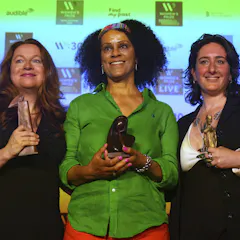
Some ways we will know we no longer need women’s book prizes: when men read as much writing by women as that by men, and when women begin to dominate prizes for prestige genres such as non-fiction.

The controversy is about the Israeli-Palestinian conflict interfering with the world of Canadian letters, but also reveals antagonistic ideas about literature’s social role.
Praiseworthy is the defining work written on this continent so far this century. It defies classification.
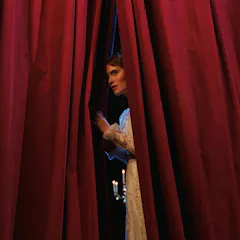
Kristina Ross was awarded the last Australian/Vogel Literary Award for her novel, First Year, a book that may – or may not – inspire students to attend drama school.
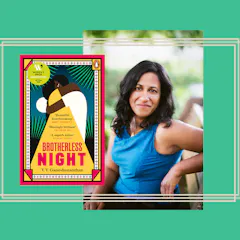
The power of reading and writing in surviving and addressing huge loss is touched upon in this book about a woman’s struggle during the Sri Lankan civil war
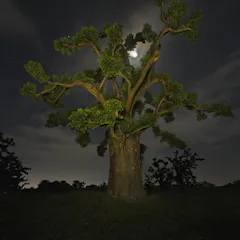
Married couple Woppa Diallo and Mame Bougouma Diene won for their powerful short story A Soul of Small Places.
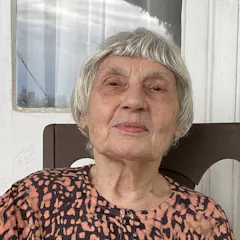
Antigone Kefala’s brilliant fiction, memoir and poetry is written in a new revived English.

Annie Ernaux is the first French woman to win the Nobel Prize for Literature. Her autofiction masterpiece, The Years, has been called a modern In Search of Lost Time.
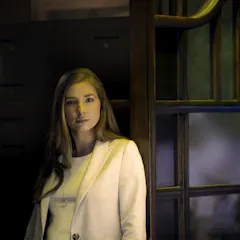
Evelyn Araluen’s award-winning book Dropbear is a sizzling collection of poetry and prose that is both deeply funny and deadly serious.

For the first time, only one novel has been shortlisted, amid works of poetry, essays and graphic fiction. They tackle big issues - racism, grief, sexual abuse - but are leavened by joy.

Because bias is learned from a very early age, reading and learning about diverse experiences cannot start too soon. Here are five Australian picture books that centre on queer stories.
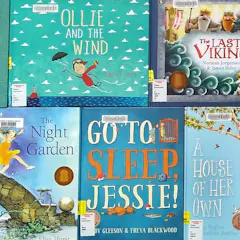
A study shows there is a lack of ethnic and other diversity in award-winning early childhood picture books. This means our children are still getting a narrow window of the world.
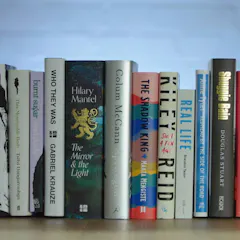
The Booker Prize has always struggled with inclusivity.
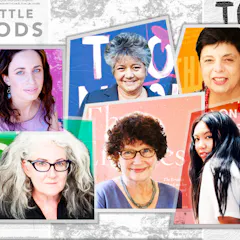
The six books shortlisted for this year’s Stella prize cover diverse subject matter and make risky aesthetic choices; they are serious and thoroughly unsentimental.

Behrouz Boochani, an asylum seeker currently detained on Manus Island, has won Australia’s richest literary prize. The win commands the question, ‘what makes an Australian writer?’
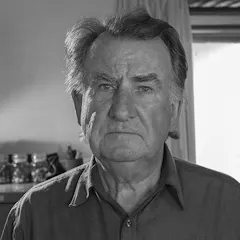
This award to a long neglected writer shows that there is still a place in Australian life for works of art that challenge us to think.
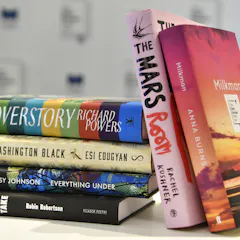
Rules for the UK’s most prestigious and lucrative literary prize effectively mean it is dominated by big publishers.

A Stella winner is a book that challenges its readers; it attempts to do a bit of work in the world. And this year’s shortlist doesn’t disappoint.
Top contributors
-

Professor in Politics and Journalism, University of Notre Dame Australia
-
Associate Professor in Communications and Journalism, UNSW
-
Honorary Associate, Department of Linguistics, University of Sydney
-
Professor of English literary studies, UNSW
-
Associate Professor, English and Theatre Studies, The University of Melbourne
-
Assistant Professor, American University of Paris (AUP)
-
Joanna Mendelssohn is a Friend of The Conversation.
Honorary Senior Fellow, School of Culture and Communication, The University of Melbourne
-
Professor of English and World Literatures, University of Oxford
-
Casual tutor at the University of Melbourne, The University of Melbourne
-
PhD Candidate and literary critic, The University of Melbourne
-
Associate Professor, French Studies, Queen's University, Ontario
-
PhD student, Department of English and Film Studies, University of Alberta
-
Professor of English, Texas Tech University
-
Professor of Literary History, University of Alberta
-
Professor of English, Saint Louis University