
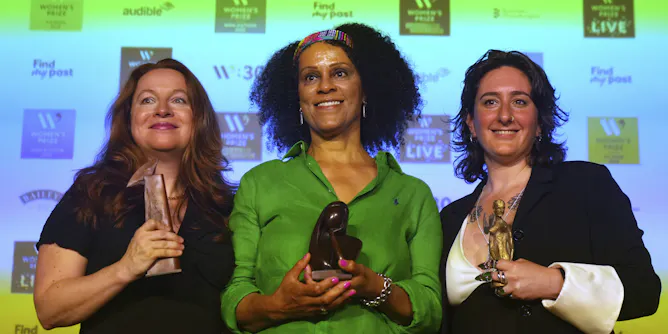
Some ways we will know we no longer need women’s book prizes: when men read as much writing by women as that by men, and when women begin to dominate prizes for prestige genres such as non-fiction.
Articles on Women's writing
Displaying all articles
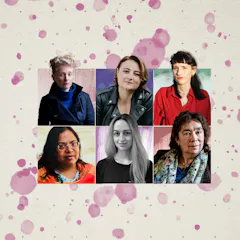
This year’s shortlist doesn’t offer much in the way of consolation, but it might shake up how you see the world.
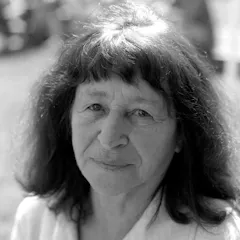
Bernice Rubens won the 1970 Booker prize for her novel, The Elected Member, and is the only Welsh person to have ever won the prize.
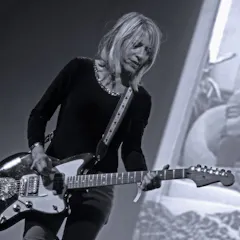
Historically, men have done most of the talking and writing about music. A new collection of essays, taking its title from a Kate Bush song, invites women writers to reflect on female musical muses.
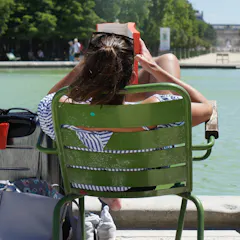
The books Goodreads users read more often than are assigned in university tend to be by women writers and to feature strong female protagonists.
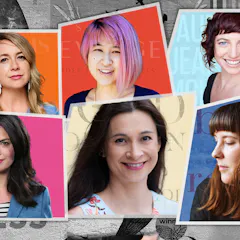
Our experts cast their eyes over this list of contemporary fiction, historical fiction, and non-fiction which undertakes impressive trapeze acts across genre boundaries.
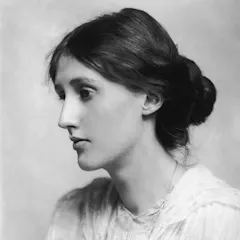
Written in 1929, this short, passionate book highlighting the silencing of women’s voices continues to shape our culture.

In the project Erasing Frankenstein, students, educators and incarcerated women collaborated to created an erasure poem of Mary Shelley’s classic text, and publicly showcase their work.
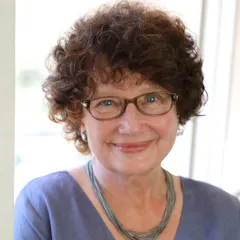
Debut memoir The Erratics possesses a rare honesty, exploding socially sanctioned ideas about mothers and families.
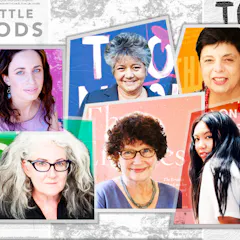
The six books shortlisted for this year’s Stella prize cover diverse subject matter and make risky aesthetic choices; they are serious and thoroughly unsentimental.
A Stella winner is a book that challenges its readers; it attempts to do a bit of work in the world. And this year’s shortlist doesn’t disappoint.
Compared to the male-dominated STEM disciplines and social sciences like philosophy and political science, Australian history has been remarkably feminised. Indeed there may be more women historians here than in the UK or US.
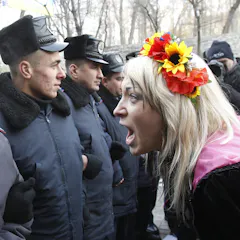
Clementine Ford’s Fight Like a Girl is the latest in a new wave of feminist memoirs. These frank, fearless books reveal the hostility and deep discomfort women’s ever-strengthening public voice has provoked.
Top contributors
-

Professor in Politics and Journalism, University of Notre Dame Australia
-
Associate Professor in Literary Studies, Monash University
-
Professor of English Literature, University of Southern Queensland
-
Deputy Head, School of the Arts, English and Media, University of Wollongong
-
Associate Professor of English, University of Calgary
-
Emeritus Professor, Creative Industries, CQUniversity Australia
-
Adjunct academic in Creative Writing and English, Flinders University
-
Associate Professor in Creative Writing, School of Culture and Communication, The University of Melbourne
-
Graduate researcher, English & Creative Writing, La Trobe University
-
Interim Director of Lifelong Learning, Cardiff University
-
Associate Professor, Creative Writing, Swinburne University of Technology
-
Associate Professor of English, Australian National University
-
Associate professor, University of New Brunswick
-
PhD student, Department of English and Film Studies, University of Alberta
-
Professor of English, Texas Tech University