
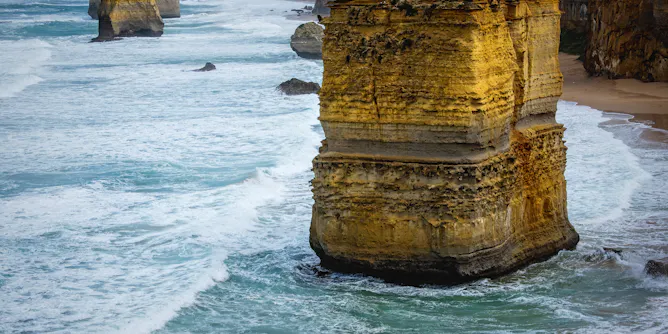
Australia’s iconic towering limestone stacks hold a detailed archive of millions of years of climate history.
Articles on Limestone
Displaying all articles

Sinkholes are fairly common in Philadelphia due to aging water lines that leak or burst, causing the surrounding soil to wash away.

Otherworldly karst landscapes, such as Western Australia’s famous Pinnacles, hold clues about Earth’s climate history – and future.

A tonne of carbon dioxide is released for every tonne of cement manufactured from limestone.
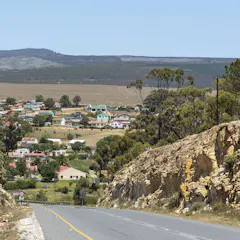
While many people rely on written signage to find their way around, oral language plays a significant role in giving directions in rural areas.
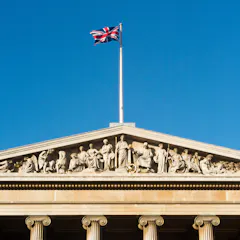
Stone from one small island was used in Buckingham Palace, the British Museum, St Paul’s Cathedral and many other landmarks.
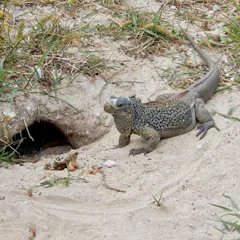
A trace fossil of an iguana burrow was discovered on San Salvador Island in the Bahamas. Estimated to be 115,000 years old, it is the first known fossil of its kind.
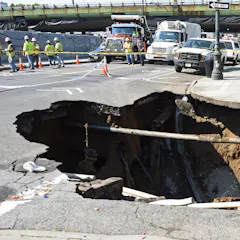
And here’s what to do once a future sinkhole has been identified.
Following NASA’s latest discovery of organic matter on the red planet, new findings in a salt lake in California could point to where to look for alien life.
Cement has a huge greenhouse footprint, largely because the chemical process by which it is made releases carbon dioxide. But there are several different ways for cement to green up its act.
Top contributors
-

Senior Lecturer in Geology, University of Aberdeen
-
Reader in Forensic Geoscience, Keele University
-
Senior Lecturer in Earth System Science, Northumbria University, Newcastle
-
Professor Emeritus in Geophysics, Keele University
-
Academic specialist, Infrastructure Engineering, The University of Melbourne
-
Australian Research Council Future Fellow, The University of Western Australia
-
Research Fellow, School of Earth & Environmental Sciences, University of St Andrews
-
Lecturer in Sociology, Robert Gordon University
-
Lecturer, University of the Western Cape
-
Professor of Practice, Department of Environmental Sciences, Emory University
-
Assistant Professor of Environmental Science, Emory University
-
Professor in Civil Engineering, University of Pretoria
-
Professor of Environmental Geology, Temple University
-
Curtin Research Fellow, Curtin University
-
Emeritus Fellow, Downing College, University of Cambridge