
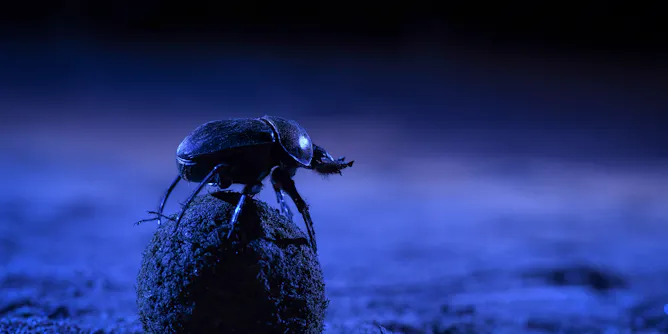
On starlit nights, the Milky Way acts as these beetles’ primary reference. But light pollution gets in the way.
Articles on Light pollution
Displaying 41 - 60 of 70 articles
Plus, why fireflies need dark nights and what you can do about it. Listen to episode 19 of The Conversation Weekly.
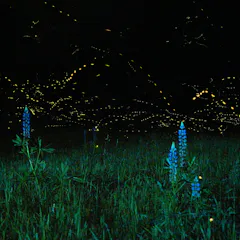
Fireflies’ summer evening light shows are a delight for humans, but for the insects they are a crucial mating ritual – and human-caused light pollution is a buzz kill.

Marine shipping generates about three per cent of global greenhouse gas emissions, and port activities can add to local pollution. Ports are now taking action to reduce their environmental impacts.

Plus, new discoveries about early humans in Tanzania’s Olduvai Gorge. Listen to episode 5 of The Conversation Weekly podcast.
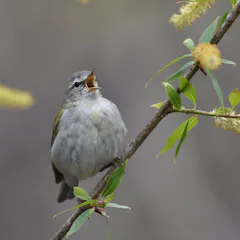
Cities are danger zones for migrating birds, but there are ways to help feathered visitors pass through more safely
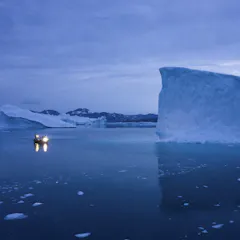
The Arctic has been a remote place for much of its history. But climate change is bringing global problems and opportunities to its door.
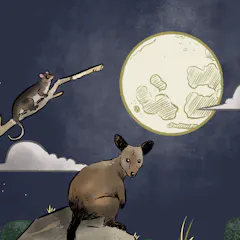
Three recent studies shed new light, as understanding how the behaviour of Australia’s wildlife changes at night can help scientists better protect them.
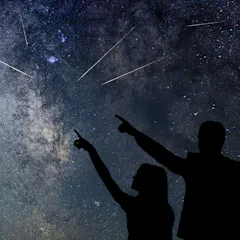
COVID-19 may have messed up school and shut down a lot of entertainment venues. But you can still brighten things up by doing a little stargazing at night, an astronomer says.

Towns and cities create an orange glow on the horizon at night. It’s so widespread that it even disturbs sea creatures.
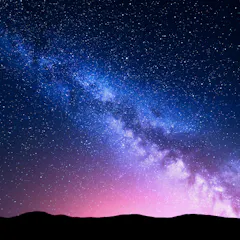
We have transformed the night-time environment in a very short time, relative to evolutionary timescales. Most wildlife hasn’t had time to adjust.
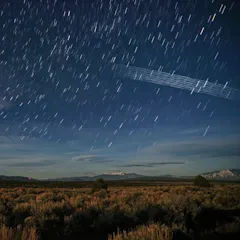
By 2025 Elon Musk wants to launch 12,000 satellites and corner the global Internet market. What will be lost is earth-based astronomy, the idea that space belongs to us all and the beauty of a starry sky.
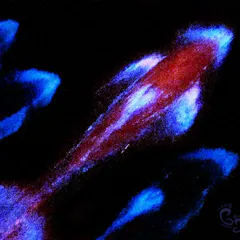
The spectacle of glowing dolphins should serve as a timely reminder of our need to conserve the darkness we have left.
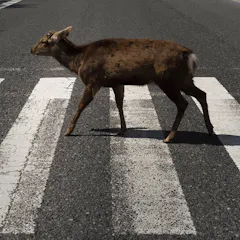
Wildlife is returning to our deserted cities. But will they stay once life returns to normal?

A handful of manuscripts remain which give researchers valuable insights into medieval science.
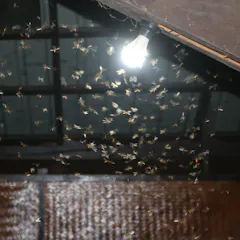
Moths and insects cluster around lights at night. Why?
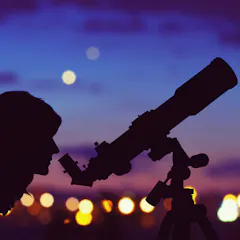
Dark sky sites can inspire new generations of stargazers, but a better long-term solution would be connecting people with the night sky where they live.
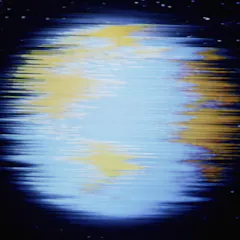
We haven’t heard anything from alien civilisations, but perhaps they’ve heard us.

Clownfish eggs exposed to artificial light completely fail to hatch, highlighting the growing problem of light pollution.
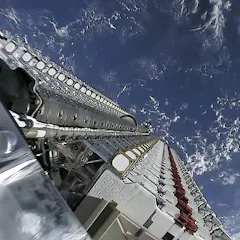
The first 60 satellites from Elon Musk’s planned low orbit internet network have lit up the skies. But with more planned, astronomers say the satellites could ruin their work.
Top contributors
-

Professor in Evolution and Behaviour, The University of Melbourne
-
Professor, Urban Ecology and Biodiversity, The University of Melbourne; RMIT University
-
University Fellow in Biodiversity, Charles Darwin University
-
Associate Professor in Tourism and Events, York St John University
-
ARC Future Fellow in Marine Ecology, The University of Western Australia
-
University Distinguished Professor of Astronomy, University of Arizona
-
Research Fellow, The University of Queensland
-
Vice Dean for Research, Arctic and Marine Biology, University of Tromsø
-
Senior Environmental Scientist, Flinders University
-
PhD Candidate in Biology, Tufts University
-
Associate professor, Macquarie University
-
Associate Professor in Astronomy, Monash University
-
Postdoctoral Research Fellow, Inter-disciplinary Conservation (ICON) Science Research Group, RMIT University
-
Senior Lecturer in marine ecology, UNSW
-
Lecturer, University of South Wales