
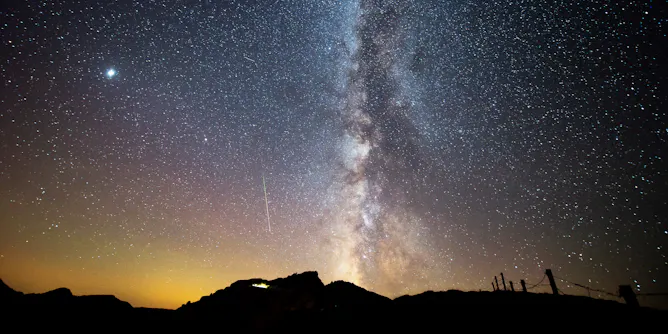
Light pollution is a relatively new problem. Simple solutions can fix it.
Articles on Light pollution
Displaying 21 - 40 of 70 articles

About a third of insects attracted to artificial lights die by morning, often from exhaustion. But we can help them, and the vital ecosystems they serve, by reducing light pollution.
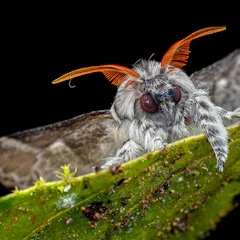
Sometimes it seems the night is just buzzing with insects. But are there really more insects out at night? We analysed all the evidence on insect activity across the day–night cycle to find out.
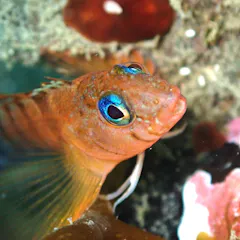
The common triplefin is helping marine scientists understand the negative effects of ‘skyglow’ on coastal fish, which are already more exposed to microplastics, chemicals and noise pollution.

A Harry Potter nightwalk experience at a wildlife sanctuary on the Mornington Peninsula has raised concern for wildlife. Evidence suggests the fears are well-founded.
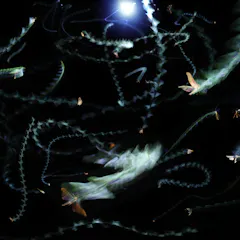
A new study shows how artificial light at night scrambles insects’ normal flight patterns, pulling them off course into orbit around the light.
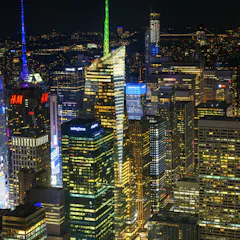
Migrating birds need stopover locations en route where they can rest and feed. A new study shows that artificial light draws them away from sites they would normally use and into risky zones.
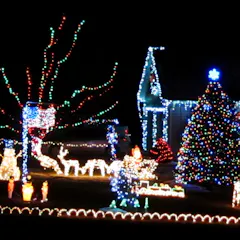
A new report from the Biodiversity Council reveals the disturbing effects of artificial light on
Australia’s nocturnal animals. Here’s how you can help wildlife at Christmas and all year round.

Too much light and noise at night in cities makes us sleep less and, as a consequence, worsens our health. Here are some of the measures that local authorities should take to remedy this problem.
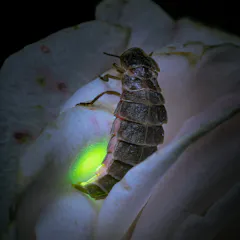
Artificial light is making it harder for male glow-worms to find bioluminescent females.

Machine learning may not seem to have much connection with wildlife, but it’s starting to play a central role in bird conservation.

Tens of thousands of satellites orbiting Earth will hamper astronomers’ efforts to study the Universe and spot dangerous asteroids, as well as brightening the sky and hiding stars from the rest of us.
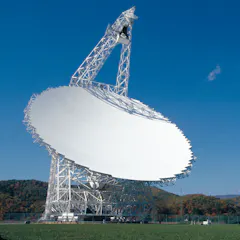
Many telescopes use the radio spectrum to learn about the cosmos. Just as human development leads to more light pollution, increasing numbers of satellites are leading to more radio interference.
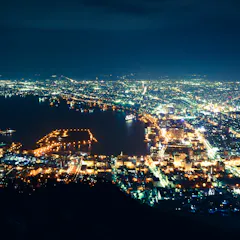
With the help of thousands of citizen scientists, a new study measured exactly how much brighter night skies are getting every year.
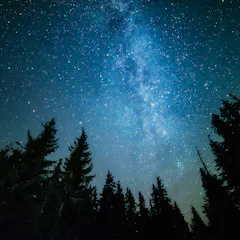
People travel hundreds or thousands of miles and spend a fortune to see the night sky in all its splendor. But we are literally blocking out the cosmic beauty above our homes.
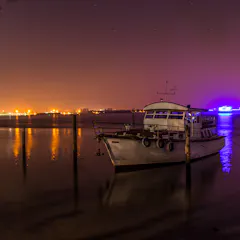
Artificial lighting from cities illuminates coastal waters and can change the physiology and behaviour of marine organisms.
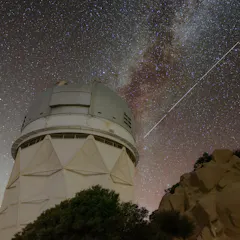
The stars, planets and Milky Way we see at night are part of a wilderness shared across the globe and across centuries. But does BlueWalker 3 herald a night sky polluted with bright satellites?
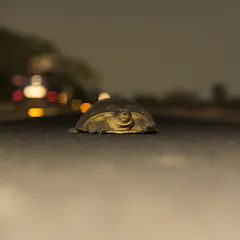
While artificially illuminating the night allows humans to make use of the the night, in doing so we catastrophically change the environment for all other species. How can we fix this?
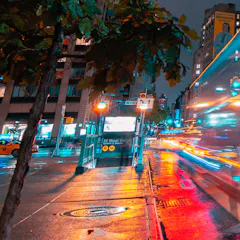
Artificial light is upending trees’ ability to use the natural day-night cycle as a signal of seasonal change.
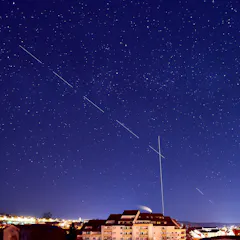
Megaconstellations of satellites will visually clutter the night sky, disrupting astronomical research. And the environmental damage caused by these satellites is still unknown.
Top contributors
-

Professor in Evolution and Behaviour, The University of Melbourne
-
Professor, Urban Ecology and Biodiversity, The University of Melbourne; RMIT University
-
University Fellow in Biodiversity, Charles Darwin University
-
Associate Professor in Tourism and Events, York St John University
-
ARC Future Fellow in Marine Ecology, The University of Western Australia
-
University Distinguished Professor of Astronomy, University of Arizona
-
Research Fellow, The University of Queensland
-
Vice Dean for Research, Arctic and Marine Biology, University of Tromsø
-
Senior Environmental Scientist, Flinders University
-
PhD Candidate in Biology, Tufts University
-
Associate professor, Macquarie University
-
Associate Professor in Astronomy, Monash University
-
Postdoctoral Research Fellow, Inter-disciplinary Conservation (ICON) Science Research Group, RMIT University
-
Senior Lecturer in marine ecology, UNSW
-
Lecturer, University of South Wales