
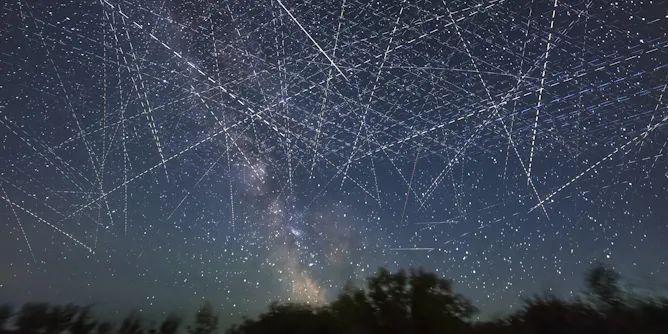
Planned ‘megaconstellations’ of satellites could cause unforeseen harm to the ozone layer and climate systems. Global regulation is needed before it’s too late.
Articles on Night sky
Displaying 1 - 20 of 32 articles

The starry skies we can see from the UK are being limited all the time by the glare of light pollution.

Unlike some other over-hyped meteor showers, this one is the real deal.
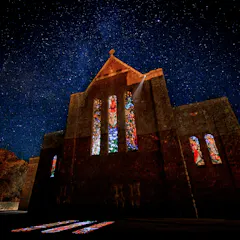
Light Pollution is a significant environmental issue and is spreading rapidly. The good news is that it is easy to fix - find out how here…
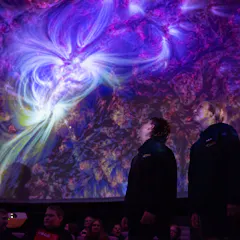
As the night sky became polluted with light from electrified cities, people built planetariums. Today, they’re more impressive than ever.

Disney’s ‘Moana’ movies have brought a new level of excitement for astronomy and wayfinding, says an astronomer who regularly hosts planetarium shows.
Comet C/2023 A3 (Tsuchinshan-ATLAS) is expected to be the brightest spectacle of 2024. Our charts will help you find it in the night sky.

What’s so special about a supermoon? Hardly anything. There are better things to observe in the night sky, according to a professional astronomer.
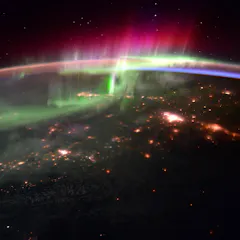
Aurora forecasting is notoriously tricky. But there are ways to know where and when you should be looking – from email alerts to 30 minute forecasts.
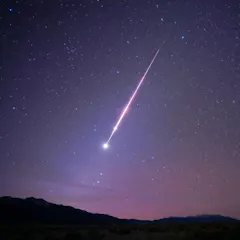
On July 31, Earth will pass through two debris streams that will produce meteor showers. Here’s where to look in the night sky in Australia and New Zealand.

Astronomers and stargazers around the world are excited to witness a rare event that only happens once every 80 years – a recurrent nova.
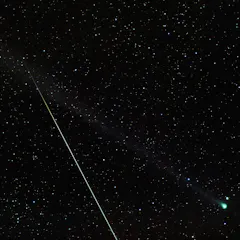
The Eta Aquariid meteor shower peaks each year in early May, but this year it should be particularly good, thanks to dark skies and extra activity.
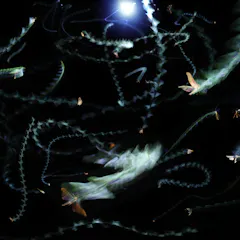
A new study shows how artificial light at night scrambles insects’ normal flight patterns, pulling them off course into orbit around the light.
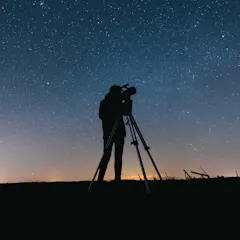
A telescope can reveal so much of the night sky, including Saturn’s rings and the Moon’s craters. But choosing the right telescope is a difficult decision – here’s what you need to know.

People have been looking up at the stars for thousands of years. Here’s where to start if you want to learn more about the night sky – from spotting easy-to-find constellations to using the best apps.
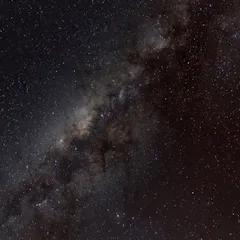
An astronomer explains why space looks so dark despite containing 200 billion trillion stars.

Tens of thousands of satellites orbiting Earth will hamper astronomers’ efforts to study the Universe and spot dangerous asteroids, as well as brightening the sky and hiding stars from the rest of us.

With the help of thousands of citizen scientists, a new study measured exactly how much brighter night skies are getting every year.
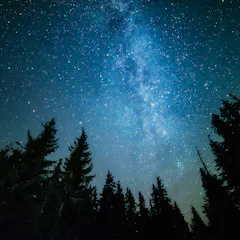
People travel hundreds or thousands of miles and spend a fortune to see the night sky in all its splendor. But we are literally blocking out the cosmic beauty above our homes.
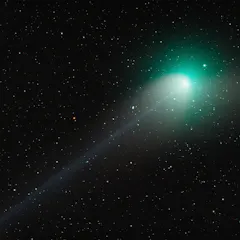
Skies in the Northern Hemisphere have been graced by a rare, green comet. Now, it’s our turn to look for it in Australia – but the view will be dimming rapidly.
Top contributors
-

Professor (Astrophysics), University of Southern Queensland
-
Senior Curator (Astronomy), Museums Victoria Research Institute; The University of Melbourne
-
Associate Professor in Astronomy, Monash University
-
Associate Professor, Astronomy, University of Regina
-
Director of the Abrams Planetarium, Michigan State University
-
Postdoctoral Research Associate in Entomology, Mcguire Center for Lepidoptera & Biodiversity, Florida Museum of Natural History, University of Florida
-
Postdoctoral Researcher in Marine Biology, University of Plymouth
-
ARC Future Fellow, Physics, University of Newcastle
-
University Distinguished Professor of Astronomy, University of Arizona
-
Professor of Biological Sciences, Florida International University
-
John Curtin Distinguished Professor (Radio Astronomy), Curtin University
-
Professor of Biology, Tufts University
-
Lecturer in Astronomy, Nottingham Trent University
-
Associate Professor of Astrophysics, University of Portsmouth
-
Postdoctoral Research Associate in Bioengineering, Imperial College London