
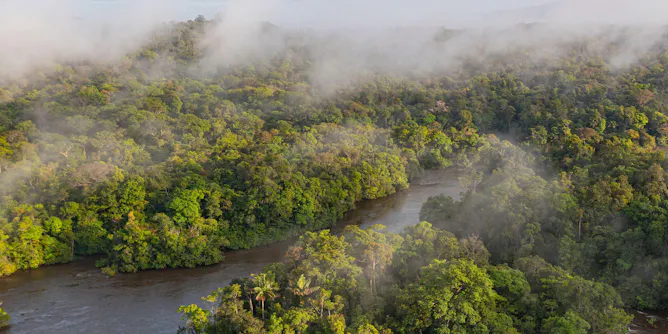
Archaeologists thought ancient Amazonia was only home to wandering people, but new technology has uncovered complex societies living in forest cities.
Articles on Lidar
Displaying all articles

Aerial lidar raises ethical questions because it can collect data remotely without the knowledge or consent of Indigenous and descendant populations that are on the ground.

As many as 10% of enslaved people on St. Croix escaped. Where they went has remained a mystery, but scientists are using new mapping technology to find answers.

Visibility patterns of settlements may be influenced by social, economic and defensive needs.
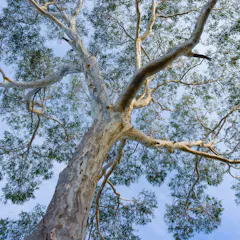
We scanned the tree canopy with lasers and found birds much prefer the branches of big old trees.

More discoveries are being made with the use of technology, but that’s just the start of the investigation.
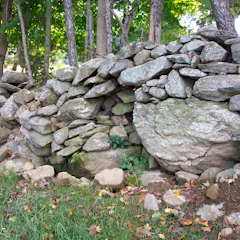
New England has thousands of miles of stone walls. A geoscientist explains why analyzing them scientifically is a solid step toward preserving them
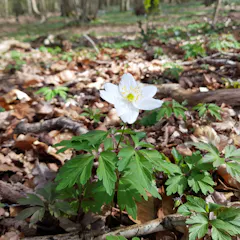
Scientists have uncovered Roman farms beneath what was thought to be prehistoric forest in France.
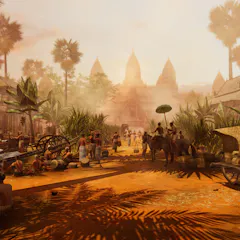
Combining archaeological evidence, aerial scans and machine learning algorithms, researchers modeled how this medieval city grew over time.

Archaeologists used to dig primarily at sites that were easy to find thanks to obvious visual clues. But technology – and listening to local people – plays a much bigger role now.
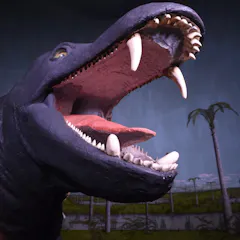
Museums around the world have been grappling with the issue of diorama removal.

Driverless vehicles rely heavily on sensors to navigate the world. They’re vulnerable to attack if bad actors trick them into ‘seeing’ things that aren’t there, potentially leading to deadly crashes.
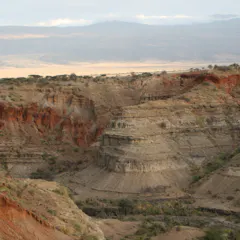
20 years ago, who could predict how much more researchers would know today about the human past – let alone what they could learn from a thimble of dirt, a scrape of dental plaque, or satellites in space.

Hundreds of millions more people will now be at risk from rising seas in the coming decades - with Asia and island nations most vulnerable. How we react to the climate crisis is now even more crucial.
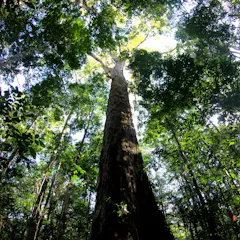
The monster trees are almost 90m tall, and may make the Amazon’s northeast a much greater carbon sink than previously thought.
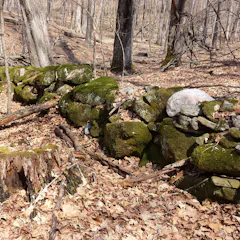
Scientific inspiration struck a geologist after many walks through the woods in New York and New England. These ruins hold the secret of where the compass pointed north when they were built centuries ago.
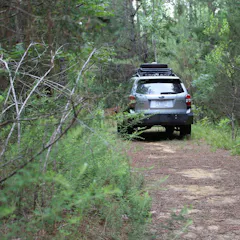
One-third of roads in the U.S. are unpaved; plenty more have faded or obscured road markings. Today’s self-driving vehicles can’t go on them, and will need new algorithms to handle those conditions.
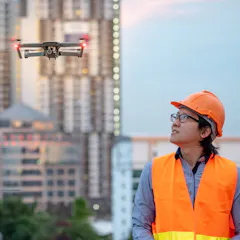
Delivery bots, maintenance drones and care robots are all being tested in real world contexts – and that’s just the beginning.
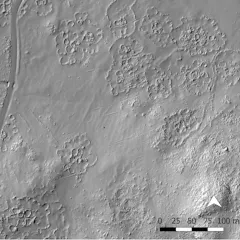
Technology which located Mayan cities has been used to rediscover a southern African city from the 15th century.
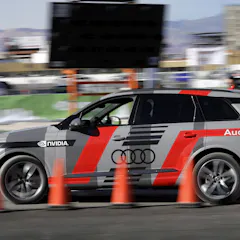
Together, three recent events mark a crucial turning point in the development of autonomous cars: They are both safer and more advanced than ever before.
Top contributors
-

Associate Director, Center for Advanced Vehicular Systems; Ph.D. Student in Bagley College of Engineering, Industrial and Systems Engineering, Mississippi State University
-
Research Associate in Urban Automation and Robotics, University of Sheffield
-
Assistant Research Professor, Center for Advanced Vehicular Systems, Mississippi State University
-
Adjunct professor of mechanical engineering, Tufts University
-
Assistant Research Professor and Associate Director for Human Factors and Advanced Vehicle System, Center for Advanced Vehicular Systems, Mississippi State University
-
Associate Professor of Anthropology, Rice University
-
Associate Professor of Anthropology, Michigan State University
-
Senior Researcher in Ecology & Biostatistics (CNRS), Université de Picardie Jules Verne (UPJV)
-
Senior Lecturer in the Department of Chemistry and Forensics, Nottingham Trent University
-
Assistant Professor of Anthropology, University of Oregon
-
Researcher at Deep Design Lab and PhD Candidate at Melbourne School of Design, The University of Melbourne
-
Postdoctoral Researcher of Archaeological Sciences, Leiden University
-
Associate Professor, Faculty of Medicine and Melbourne School of Design, The University of Melbourne
-
PhD candidate, University of Cape Town
-
Professor Geography, Archaeology and Environmental Studies, University of the Witwatersrand