
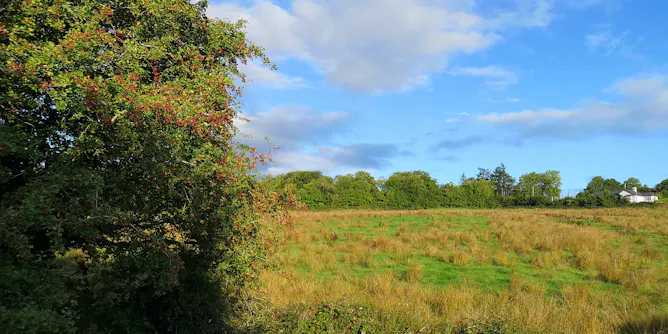
Forests benefit everyone – but farmers carry the risk.
Articles on Land restoration
Displaying all articles
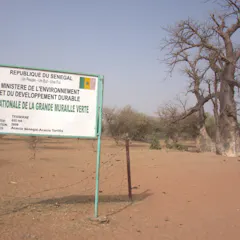
Africa’s Great Green Wall of 6,000km of trees was launched 18 years ago, promising to halt desertification. But in Senegal, it’s been very slow to progress.
As Australia prepares to host the first Global Nature Positive Summit this week, let’s take a closer look at what ‘nature positive’ really means.

By listening to the “heartbeat” or soundscape of soil, we can learn more about its condition. Think of poor soil as a lifeless party. Healthy soil is where you’ll find the good vibes and chatter.
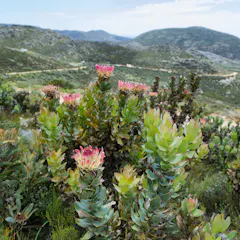
More than 700 million hectares of land in Africa has been degraded by human activity. Everyone can get involved in restoring the ecology.

Solar development isn’t always good for the land, but pairing it with agriculture can produce multiple benefits.
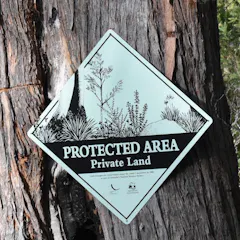
Legally binding deals struck with landholders can help protect and restore the environment over the long term.
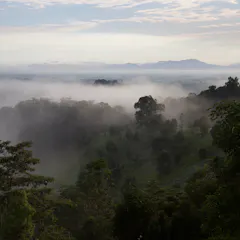
Australia has half as much forest as it did before colonisation. Restoring it can be hugely expensive. But new approaches can help
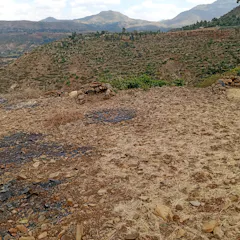
Typically, humanitarian concerns are prioritised following a war. But the environment must also get attention so that societies can produce food and goods to rebuild their lives.
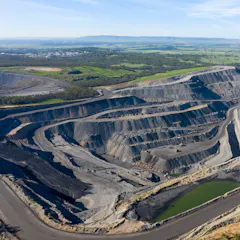
The people of the Hunter have a clear picture of the future they want. But to unlock the region’s future opportunities, we must first clean up the costly legacy of its coal-mining past.
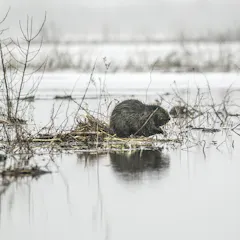
Restoring entire ecosystems is a difficult and expensive process. Thankfully, certain species, called ecosystem engineers, can make restoration easier. Gaining social and political support is critical too.
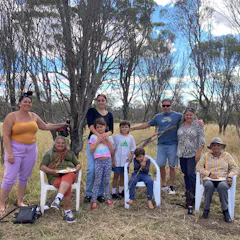
For descendants of those stolen, restoring a special family place enables them to reconnect to the past, to people and identity.

The Earth is a resilient planet, but people are altering it in ways that may take centuries to reverse.
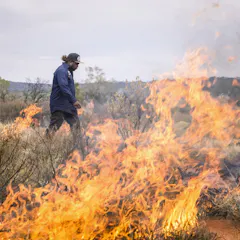
Why rely on unproven technologies when we can store carbon and cut emissions through Country-based and nature-based solutions?

By spending $2 billion each year for about 30 years, we could restore much of Australia’s severely denuded landscapes.
Top contributors
-

Vice-Chancellor's Research Fellow, Centre for Urban Research, RMIT University
-
PhD Candidate, Conservation Science, The University of Queensland
-
Adjunct Asssociate Professor, James Cook University
-
Professor Emerita, Department of Biological Sciences, Macquarie University
-
Goreng Noongar Elder and leader, Indigenous Knowledge
-
Senior scientist, South African National Biodiversity Institute
-
Professor of Community & Landscape Resilience, University of Idaho
-
Postdoctoral Research Associate in Natural Resources and the Environment, Cornell University; Faculty Afffiliate in Ecology, Colorado State University
-
Postdoctoral researcher, marine ecology, Adelaide University
-
Goreng Noongar Elder and cultural research collaborator, Indigenous Knowledge
-
Future Making Fellow, Environment Institute, Adelaide University
-
Associate Professor, School of Science, University of Newcastle
-
Goreng Noongar woman, Indigenous Knowledge
-
Research Associate, The University of Western Australia
-
Professor in Biogeography, The University of Melbourne