
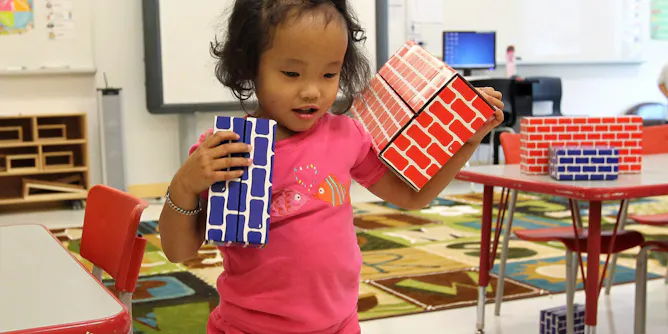
A study following Ontario students between 2004 and 2012 can help policymakers ensure all students get the supports they need when they need them.
Articles on Kindergarten
Displaying 21 - 40 of 61 articles
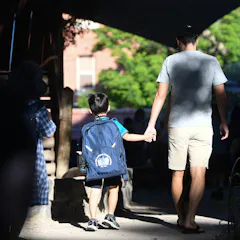
There is a lot of pressure on the transition to ‘big school’. For parents, this raises the question of how best we can prepare our kids and ourselves for this time.
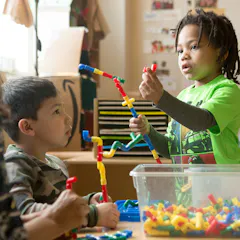
People, policies, practice and place all matter in publicly funded, school-based children’s early learning programs.
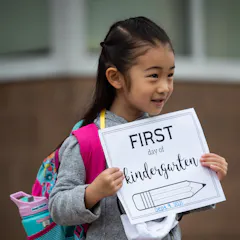
Parents and caregivers are vital partners in education, and together, educators and families can ease back-to-school jitters and help make this an exciting and positive transition for children.
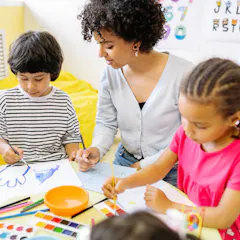
Canada has much to learn from other countries about better ways of providing learning and care for children.
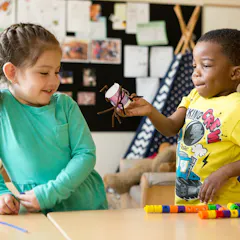
The lack of a fully interactive environment in kindergarten due to pandemic school closures may negatively impact some children’s learning in later grades.
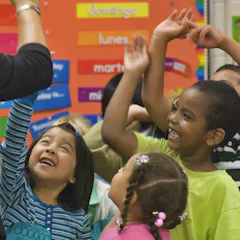
The core principle of education is to enable students to become kind, giving and contributing members of their community and the world.
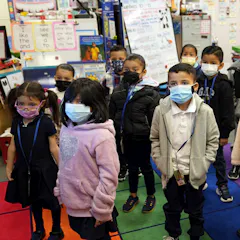
Kindergartners who are relatively younger than their classroom peers are at risk for doing less well in school. A clinical psychologist explains how to reduce those problems.
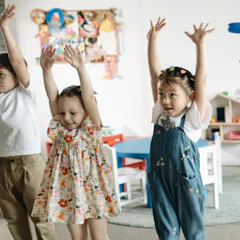
A study of students across Canada between 2004 and 2015 provides an estimate of anxiety symptoms in kindergarteners, and can serve as a baseline for comparing children’s anxiety after COVID-19.
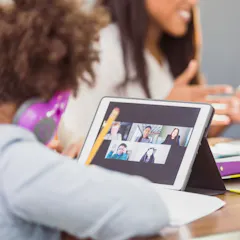
Kindergarten educators who taught from home during COVID-19 and who were primarily responsible for their own children self-reported poorer mental health than those without these responsibilities.
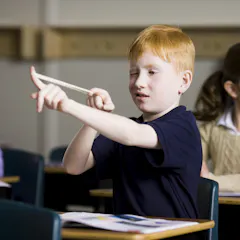
Children who are bullied in school are at higher risk for depression and anxiety later in life.

Grocery shopping and family meals are prime opportunities to build reading and math skills – particularly for young Latino children, a new study finds.
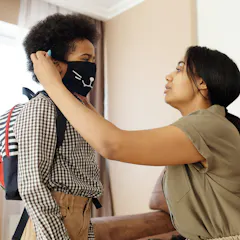
When you layer a pandemic on top of back-to-school, many children may struggle with separation anxiety. Here are some strategies parents can use to help reduce anxiety in their children.
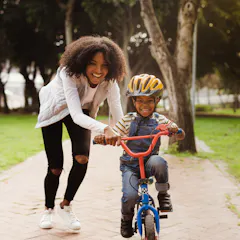
Accessing “knowledge-rich” content assumes language and literacy competencies that take time for children to develop. Childhood cannot be rushed.
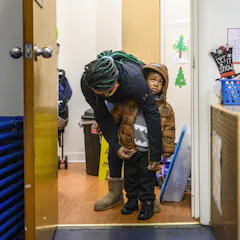
The Biden administration wants workers in child care and pre-K programs to earn at least $15 per hour.
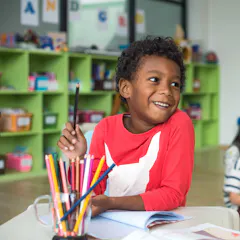
The 2021-22 budget includes funding for 15 hours per week of free preschool education for all children in the year before school. This is great, but we need more detail.
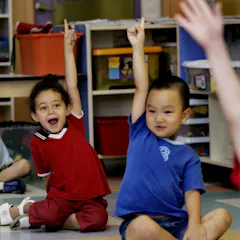
As provinces and territories beyond Québec develop early learning and care plans, they should be aware of the pitfalls of taking shortcuts in response to parent demand.
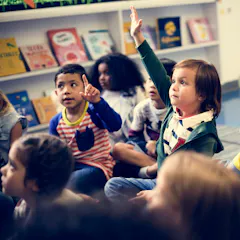
Many kindergarten classrooms draw on six principles for helping children to manage the everyday stressors of life, and parents can too.
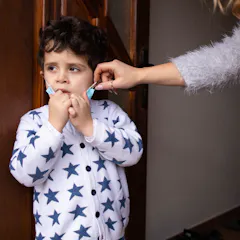
Particularly after the devastation of COVID-19, evidence is mounting for the economic argument of reinvesting in high-quality early childhood education.
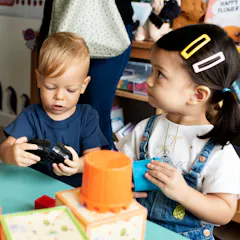
Researchers mapped the variation in preschool policies, and how they impact on what families pay, across all states and territories. Some places charge much higher fees than others.
Top contributors
-

Professor, Department of Pediatrics, University of British Columbia
-
Fellow in Early Childhood Policy, Atkinson Centre, Ontario Institute for Studies in Education, University of Toronto
-
Research Associate, Offord Centre for Child Studies, McMaster University
-
Associate Professor, Early Childhood Education, Queen's University, Ontario
-
Research Associate, Department of Psychiatry and Behavioural Neurosciences, McMaster University
-
Professor, Special Education, Memorial University of Newfoundland
-
Professor, Werklund School of Education, University of Calgary
-
Professor, Ontario Institute for Studies in Education, University of Toronto
-
Associate Professor, Faculty of Education, Queen's University, Ontario
-
Assistant Professor of Pediatrics, The University of Texas Medical Branch
-
Associate Lecturer in Education , Southern Cross University
-
Associate Professor, Department of Educational Studies, University of British Columbia
-
Doctoral Student in Applied Developmental Psychology, University of Maryland, Baltimore County
-
Professor of Applied Developmental Psychology, University of Maryland, Baltimore County
-
Senior Lecturer and researcher in Education, University of Technology Sydney