
The UN’s Special Rapporteur on Torture has investigated the ongoing persecution of Assange and his conclusions are damning.
Articles on Justice
Displaying 101 - 120 of 319 articles
Inspirational and brave, the Ukrainian president exhibits all seven ‘virtues’ of effective crisis leadership.
The guilty verdict on Blaise Compaoré should be celebrated as a landmark victory for democracy and peoples’ movements in Africa.
Violent crime causes untold harm and anger is known to fuel violence. But recent research suggests that the way anger and crime tie together in youth is a bit more complicated than expected.
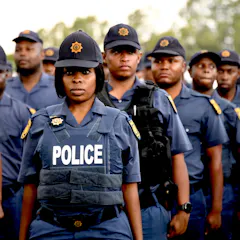
Perceptions that South African police treat people disrespectfully, lack impartiality or transparency, and are prone to brutality
undermine public confidence in them.
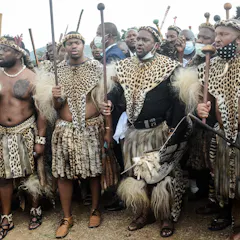
When judges, legislators, and policymakers neglect the foundational dynamics of indigenous customs, they worsen conflict between indigenous laws and state laws.

A judicial commission has found that the Guptas orchestrated massive corruption and the capture of the South African state, with the help of their friend, former president Jacob Zuma.
The present state of legal education in Ghana cannot be discussed without understanding its beginings.
With some three million podcasts out there, how to know which ones to choose? Here are our expert picks for summer listening.
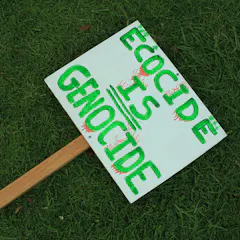
Criminalising ecocide means its victims will be able to receive reparations, helping to rebuild destroyed ecosystems and communities.
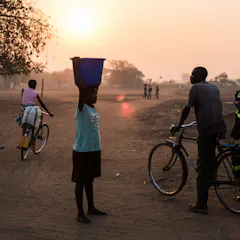
Climate justice is about both where emissions come from and who suffers the consequences.

Research suggests punishing tax cheats can re-establish a sense of justice among the general public, so authorities should use their resources to ensure culpable offenders are held accountable.
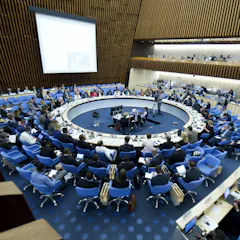
Research shows white male voices tend to dominate climate discussions - this must change if we are to halt environmental destruction.

Women and girls in low-income countries are disproportionately likely to be affected by the plastic waste that’s flooding our planet.

Universities can ensure students in all disciplines are learning how to contribute to a world that they and future generations want to live in.
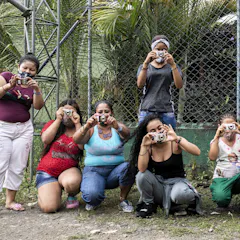
People wanted to use photography not only to document the aftermath of war and violence, but also to actively support peace.
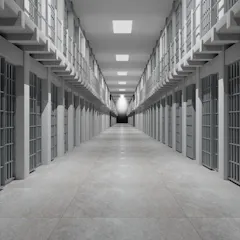
Life prison sentences are getting longer and longer.
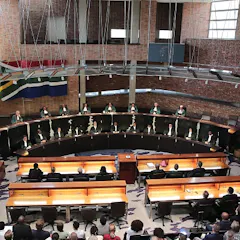
South Africa’s Constitutional Court should offer no apology for its split judgments.
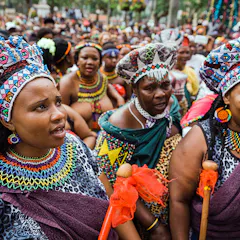
Denying people the right to opt out of the traditional court system conflicts with the notion of customary law as a voluntary and consensual system of law.
Burkina Faso is still in the throes of chaos decades after the assasination of the charismatic president
Top contributors
-

Adjunct Associate Professor, University of New England
-
Professor of Law, UNSW Law School, UNSW
-
Professor of Criminology, Australian National University
-
Professor of Law, Auckland University of Technology
-
William Nelson Cromwell Professor of Jurisprudence and Political Science, Amherst College
-
Lecturer in Law, Adelaide University
-
Associate Professor in Communication and Public Relations, The University of Queensland
-
Director Leverhulme Research Centre for Forensic Science, University of Dundee
-
Professor of African Language Studies, University of the Western Cape
-
Professor Emeritus of Public Law, University of Cape Town
-
Associate professor, Monash University
-
Assistant Professor, Criminology, Bond University
-
Adjunct Professor, La Trobe University
-
Senior Lecturer in Labour Law, North-West University
-
Postdoctoral research fellow (Forensic Linguistics/ Language and Law), University of the Western Cape