
Whether the sins of our past stay with us forever has become a pertinent question of our time. A philosopher argues we don’t need to carry our past burdens – although there are some moral conditions.
Articles on Justice
Displaying 181 - 200 of 319 articles

From cannibalism to carbolic smoke balls, these are some of the fascinating cases that have made the law of England and Wales what it is today.
A historian reminds us that protests in prisons are often followed by retaliation.
The Verdins principles affect the way offenders with mental health problems are sentenced in a court of law.

The support for the key values that pervade the discourse about social justice is overall very strong but it may be surprising that democracy and solidarity receive less support among respondents.

Mental health courts work to reduce reoffending, enhance public safety and improve the well-being of individuals with mental illness.
New plans will speed students through an intensive training course, that will see them working cases in 12 weeks.

In many legal jurisdictions of the world, including Australia, an offender’s remorse is a mitigating factor at sentencing. And yet how judges evaluate such expressions is unclear.

Remorse is a vital, but often overlooked and underused aspect of justice, for both the victim and the offender.
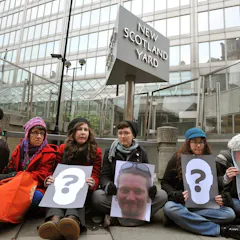
The women who called for an inquiry into the actions of undercover police have since walked out of proceedings they see as unjust.

Big data and algorithmic applications could transform how our legal institutions work, but the digital revolution must keep the needs of judges, attorneys and especially citizens at its heart.
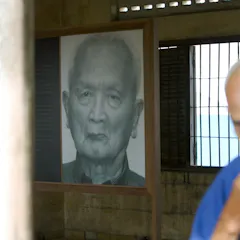
The accounts of survivors of Pol Pot’s Khmer Rouge show how they were able to find justice and healing by breaking their silence and speaking on behalf of those who were killed.

Remembrance days and memorials provide people the opportunity to share stories with a community. An expert explains how that can make a difference.

Government and judicial interventions into the decisions of parole boards display a progressive loss of faith in these independent bodies.

What kind of a country is Canada? One which truly welcomes and respects immigrants and their lives and safety? Or one which just says it does but brutally detains and deports them?

George Pell’s current committal hearing engages the principle of ‘open justice’ and some of its most important exceptions.

Implementing the Don Dale royal commission’s recommendations will test the capacity to redress the ‘systemic and shocking failures’ it identified.

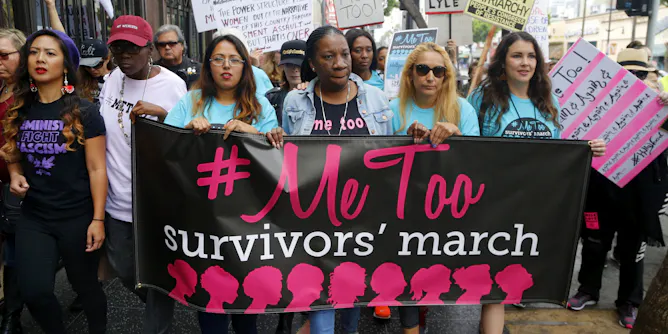
Critics say that #MeToo has turned the legal principle of innocent until proven guilty on its head, but such comments privilege the rights of perpetrators over justice for victims.

In the acquittal of Gerald Stanley we must remember how one-sided systematic remembering in Canada has been. We must remember how Canadian-state law created the myth of the homesteader as Wheat King.

A succession of leaders have failed to address problems in England and Wales.
Top contributors
-

Adjunct Associate Professor, University of New England
-
Professor of Law, UNSW Law School, UNSW
-
Professor of Criminology, Australian National University
-
Professor of Law, Auckland University of Technology
-
William Nelson Cromwell Professor of Jurisprudence and Political Science, Amherst College
-
Lecturer in Law, Adelaide University
-
Associate Professor in Communication and Public Relations, The University of Queensland
-
Director Leverhulme Research Centre for Forensic Science, University of Dundee
-
Professor of African Language Studies, University of the Western Cape
-
Professor Emeritus of Public Law, University of Cape Town
-
Associate professor, Monash University
-
Assistant Professor, Criminology, Bond University
-
Adjunct Professor, La Trobe University
-
Senior Lecturer in Labour Law, North-West University
-
Postdoctoral research fellow (Forensic Linguistics/ Language and Law), University of the Western Cape