

“Compassion fatigue” wrongly explains public hostility toward homelessness, masking a failure to recognize shared vulnerability, responsibility and justice in a shared world.
Articles on Justice
Displaying 21 - 40 of 319 articles
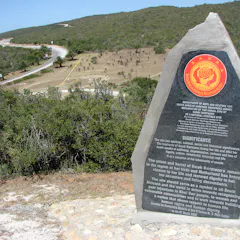
Language shapes power and words like restitution, unlike repatriation, speak directly to justice when it comes to returning cultural heritage.
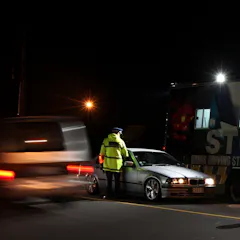
A new analysis of more than 10,000 first-time drink-driving cases reveals a troubling disparity.

Political trust and support for the rule of law are important for sustaining stability in democracies.

Former French President Nicolas Sarkozy will be imprisoned. This decision illustrates the growing independence of the judiciary and the application of the principle of equality before the law.
A proposed law change would criminalise protests near private residences. But laws against disruptive or violent protest already exist, so what’s the point?
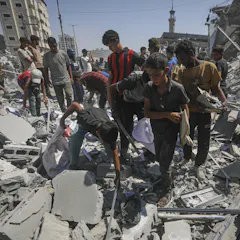
Double standards in Canada’s approach to Gaza cast doubt on its commitment to principles of human rights.
Four international courts are due to deliver advisory opinions on how governments are legally responsible for climate justice.

Regulations on sustainability reporting must be crafted with stakeholders across value chains to minimise harm to vulnerable communities.
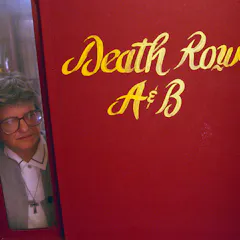
Catholic opposition to the death penalty is relatively new in the church’s history, but has helped shape public debate.
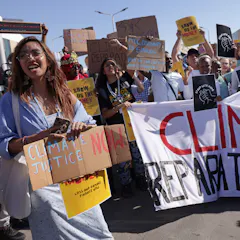
Africa is least responsible for climate change but worst affected. Exploring climate justice within international courts is a step in the right direction.

A recent decision by New Zealand’s highest court means police will need to be extra careful about how they obtain and use evidence in criminal investigations.
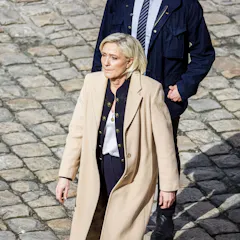
The ruling in a Paris court that the far-right leader is guilty of misappropriating public funds will probably eliminate her from the 2027 presidential election.

Can the DRC’s case against Rwanda before the African Court help defuse future conflict between African states?
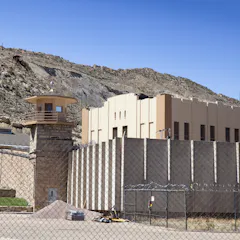
More than 65% of formerly incarcerated people reported experiencing climate-related hazards, according to survey results.
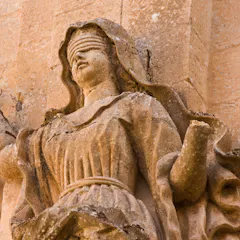
People from many different cultures across the globe and across millennia largely agree about which body parts are most valuable – and how much compensation they warrant when injured.

The wrongful conviction of the Birmingham Six not only devastated their lives but also deepened the anguish of the victims’ families, leaving a legacy of trauma and unanswered questions.
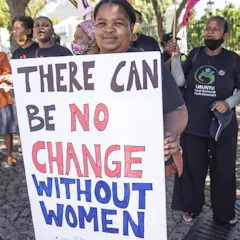
Evidence suggests that a low-carbon transition could worsen gender inequalities if not properly addressed in climate policy.
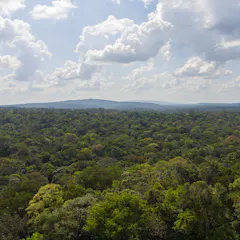
An agreement between an indigenous community and an energy company secured the development of a power plant in exchange for community benefits. But the deal does not meet energy justice principles.
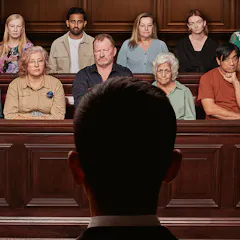
The Jury: Death on the Staircase follows the deliberations of 12 jurors as they listen to nine days’ worth of evidence in a real, concluded manslaughter case.
Top contributors
-

Adjunct Associate Professor, University of New England
-
Professor of Law, UNSW Law School, UNSW
-
Professor of Criminology, Australian National University
-
Professor of Law, Auckland University of Technology
-
William Nelson Cromwell Professor of Jurisprudence and Political Science, Amherst College
-
Lecturer in Law, Adelaide University
-
Associate Professor in Communication and Public Relations, The University of Queensland
-
Director Leverhulme Research Centre for Forensic Science, University of Dundee
-
Professor of African Language Studies, University of the Western Cape
-
Professor Emeritus of Public Law, University of Cape Town
-
Associate professor, Monash University
-
Assistant Professor, Criminology, Bond University
-
Adjunct Professor, La Trobe University
-
Senior Lecturer in Labour Law, North-West University
-
Postdoctoral research fellow (Forensic Linguistics/ Language and Law), University of the Western Cape