

A just transition to a green economy with broad growth in employment will require deliberate efforts.
Articles on job creation
Displaying 1 - 20 of 70 articles

New analysis of ABS data shows firms less than five years old contributed 59% of all new jobs in the economy over the past 20 years.

Chinese products that would have gone to the American market might be diverted to developing countries such as Nigeria.

There is a need to create regional or continent-wide regulatory frameworks for protection of African gig workers.
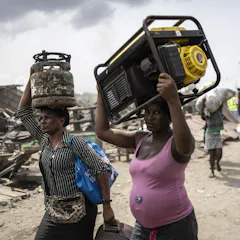
Nigeria needs a broad-based coalition of developmentalist elites.
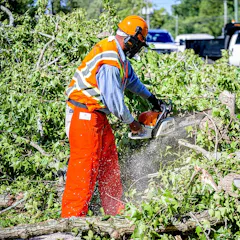
South Africa’s Working for Water programme addresses environmental issues and provides temporary jobs. But it’s not equipping participants for stable employment.

Labour has vowed to end divisive discourse demonising out-of-work people as ‘scroungers’ - but how does this fit with its tough warnings about people who don’t ‘engage’?

An alternative would be to invest directly in job creation.

Many African countries have a major youth unemployment problem. More must be done to create jobs and help young people develop the right skills.

Greater visibility of these businesses – both in government statistics and Indigenous business directories – would not only showcase their diversity and excellence but also promote further success.
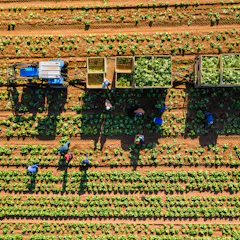
South Africa’s agricultural sector’s potential can only be realized if new government focusses on implementation of existing policies rather than coming up with new ones

Kenya’s slow economic growth, large educated youth population and limited job opportunities are some of the factors that gave rise to the protests.

Increasing the quality of a traditional wine sourced from plantain in Nigeria offers a viable way of reducing waste and boosting food security.
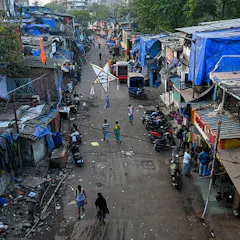
Cities are where solutions are found – but also where perils are amplified when we fail to act.

Canada is counting on immigrants to drive economic growth. Smaller urban communities can help take pressure off Canada’s most heavily populated regions by attracting and retaining newcomers.
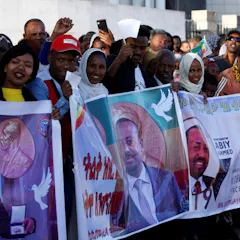
Governments coming to power riding a wave of youth protests can employ authoritarian tactics to silence dissent from the same movements.
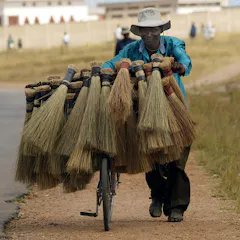
Skills training in Zimbabwe excludes students from poor backgrounds. The informal sector should be used as a training ground for them.
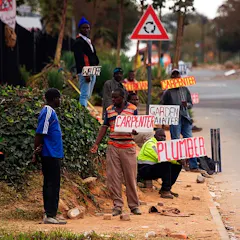
High unemployment rates are among South Africa’s biggest challenges. Three of the president’s advisors talk through what is needed to change the status quo.
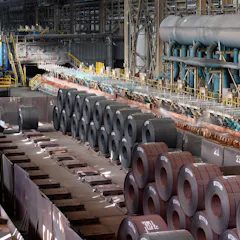
The Ajaokuta steel plant stands unused after 40 years of construction and US$8 billion in investment.

With employers struggling to hire enough workers, reliance on automation is becoming more of a necessity than just a source of competitive advantage.
Top contributors
-

Associate Professor, Rhodes University
-
Senior Fellow, Department of Agricultural Economics, Stellenbosch University
-
Professor, Economics, University of the Western Cape
-
Professor of Economics, The University of Melbourne
-
Dean of Business School, University of Southern Queensland
-
Assistant Professor of Anthropology, Wheaton College (Illinois)
-
Professor of Political Economy, University of the Witwatersrand
-
Research Associate, Sociology, University of Pretoria
-
Professor of International Affairs and the Vice-Provost and Associate Vice-President (Academic), Carleton University
-
Visiting senior lecturer, University of the Witwatersrand
-
Adjunct Senior Lecturer, Applied Ethics and CyberSecurity, Griffith University
-
Professor of Political Studies, University of Johannesburg
-
Professor of Economics and Director of the Development Policy Research Unit, University of Cape Town
-
Senior Lecturer School of Management and Director Postgraduate Community and Not-for-profit Management Program, University of Technology Sydney
-
Professor of the Practice of International Development, Harvard Kennedy School