

The 2026 Nobel Prize in chemistry gave a hand to handed molecules – and the processes chemists use to create them.
Articles on Isomers
Displaying all articles
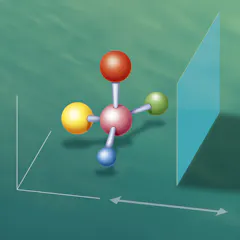
From thalidomide to resveratrol, molecules with the exact same chemical properties can have drastically different effects in the body depending on how they’re arranged in space.

From thalidomide to resveratrol, molecules with the exact same chemical properties can have drastically different effects in the body depending on how they’re arranged in space.

Nuclear isomers are rare versions of elements with properties that mystified physicists when first discovered. Isomers are now used in medicine and astronomy, and researchers are set to discover thousands more of them.
Top contributors
-

Associate Professor of Pharmaceutical Sciences, University of Maryland Eastern Shore
-
Professor of Nuclear Physics, Michigan State University
-
Associate Professor of Nuclear Physics, University of Guelph
-
Assistant Professor of Chemistry, Wake Forest University
-
Assistant Professor of Chemistry, Wake Forest University