
Emotions and feelings can be thought of as judgments: considered responses to what is happening.
Articles on Isolation
Displaying 81 - 100 of 133 articles

When we sing together, our social brains are activated to produce oxytocin, which makes us feel more connected.
Is it safe to nip out for milk? Should I download the COVIDSafe app? Is it OK to wear my pyjamas in a Zoom meeting? All these extra decisions are taking their toll.
Learning from the example of spiritual retreats.
Anxiety and loneliness affect many people at the best of times. The pandemic-induced isolation and stress won’t be helping, but cities can do many things to improve the ‘emotional climate’.
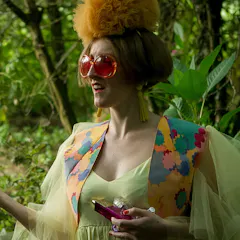
We can’t go to the theatre but some creative theatre groups are bringing it to us, via Zoom.

Being cooped up at home is of course far more manageable than being locked up behind bars. But people isolating due to COVID-19 are still forced to deal with some of the same problems.
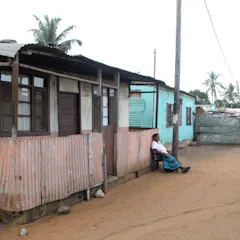
When restricting the movement of their citizens to slow down the spread of the COVID-19 pandemic, low income countries should tailor measures to local socio-economic circumstances.
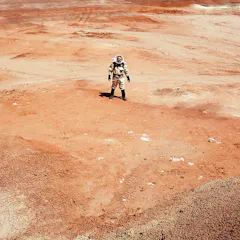
Understanding isolation’s effects on regular people, rather than those certified to have ‘the right stuff,’ will help prepare us for the future, whether another pandemic or interplanetary space travel.
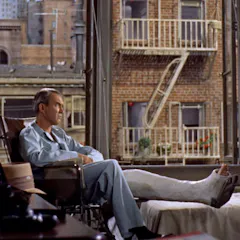
The idea of isolation has inspired many great films over the years. Here are a few of the best.
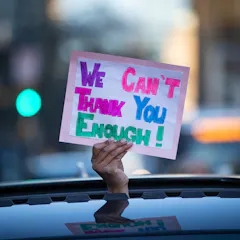
The COVID-19 pandemic is affecting everyone to some degree, and many people are looking for ways to help others. Here are some ways people can contribute to the response effort.
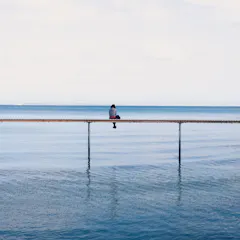
Most people in the West are used to some form of solitude from time to time. But this is a fairly new normal.

Instead of seeking to protect our health and stop the coronavirus epidemic by instituting totalitarian surveillance regimes, we should rather focus on empowering citizens.
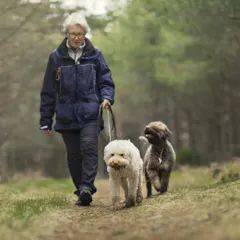
To boost your immune defenses against corona and other viruses, one of the most effective things you can do is maintain your natural circadian rhythms. Here’s how to do that.

Isolation. Despair. Facing our demons. What does the most-translated novel tell us about living with COVID-19?
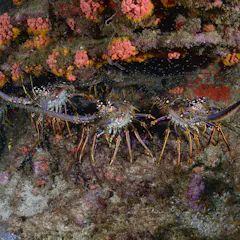
Using distance to avoid getting sick has deep evolutionary roots for humans and many other species.
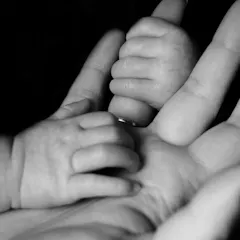
For new mothers with postpartum depression, social distancing limits some of the best ways to improve their mental health.
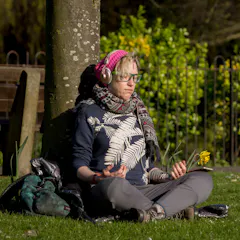
Buddhist monks have been chanting sutras to provide spiritual relief during the coronavirus crisis. A scholar of Buddhism translates some Buddhist teachings into ways we can deal with uncertain times.
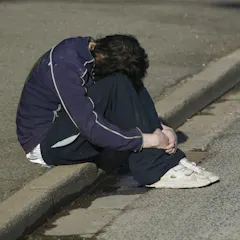
Stress, loss, loneliness and isolation are key factors in clinical depression, which affects millions. The US was unprepared for COVID-19 – will it remain unprepared for its medical aftermath?
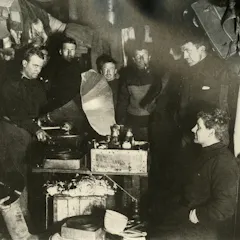
A strong mind was key to surviving the monotony faced by Antarctic explorers enduring the isolation of long, remote winters.
Top contributors
-

Assistant Professor in Health Sciences, Simon Fraser University
-
Chancellor's Professor of Medicine, Liberal Arts, and Philanthropy, Indiana University
-
Associate Dean of School for Psychology and Humanities, University of Lancashire
-
Professor, Academy of Geography, Sociology and International Studies, Hong Kong Baptist University
-
Research Fellow, BehaviourWorks Australia, Monash Sustainable Development Institute, Monash University
-
Chair in Epidemiology, Deakin University
-
Director of the Center for the Science of Social Connection, University of Washington
-
Professor of Biostatistics and Epidemiology, Adelaide University
-
Professor, Urban Studies and Professor of Resource and Environmental Management, Simon Fraser University
-
Professor of Outdoor Education, Montreat College
-
Associate Professor of Psychiatry, Michigan State University
-
Cornelia H. Dudley Professor of Psychology, Knox College
-
Associate Professor and Program Director of Parks and Recreation Management, Western Carolina University
-
Professor in Public Health, Institute for Health Research, University of Notre Dame Australia
-
Medical Epidemiologist , Washington State University