
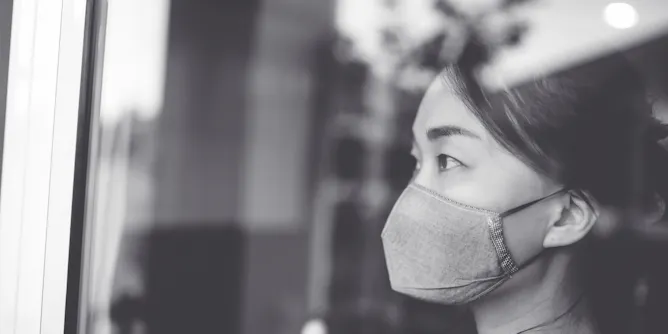
A GP and mental health clinician offers some tips to support your mental health if you get COVID and are isolating at home.
Articles on Isolation
Displaying 41 - 60 of 133 articles
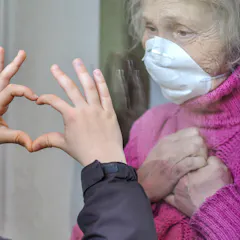
As people living in long-term care homes brave another lockdown, communication is key and the presence of family members (virtually or through the window) is needed.

This is a proportional response to managing risk at this stage of the pandemic, with so many of us vaccinated and receiving boosters. However, we need to monitor these changes.

Just when things seemed to be getting back to COVID normal, a new variant has us worried all over again. But we can be kind to our brains and boost well-being in uncertain times.
Stay-at-home and quarantining orders have led to increasing isolation. Virtual reality may help alleviate some of the negative feelings of isolation, and this has potential implications for space travel.
Children have been hearing about the dangers of COVID since the pandemic began. Here’s how to help them understand and cope with a positive diagnosis.
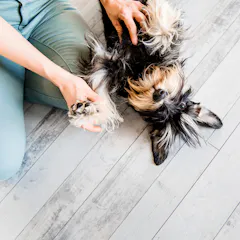
Talking to your dog really helps. Here’s what else you can do.
Job loss and reduced earnings can exacerbate existing power imbalances trans people may face in their personal relationships.
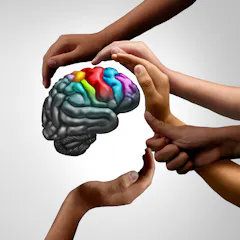
‘Dementia friendly’ communities seek to support people with memory loss, recognize them as equals, celebrate their contributions and enable them to live with purpose in welcoming communities.
Public health measures have affected dating during the pandemic. This could be an opportunity for people to learn more about their intimate desires to develop deeper connections with others.
When dealing with a difficult event, such as the current pandemic, the electrical current that governs our brains is altered, affecting behaviour and mood.
Popular opinion has it that introverts are thriving in lockdown – but studies paint a different picture.
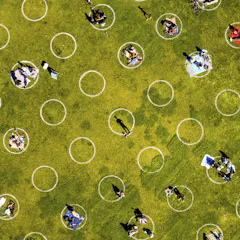
The social restrictions of the COVID-19 pandemic have illustrated how important human connections are to health.

Our new research has found that for some people, having certain personality traits seems to have offered some level of protection during these difficult times.
Moving between in-person and virtual schooling affects children with anxiety disorders like selective mutism. In addition, access to diagnosis and support is delayed because of pandemic restrictions.
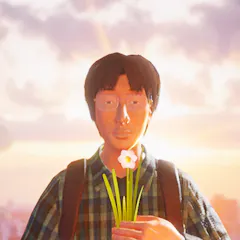
Seeking isolation can lead to creativity and a deeper understanding of oneself, as these artworks show.
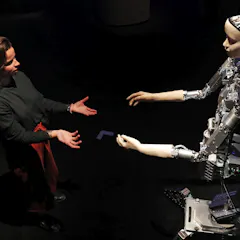
AI chatbots can provide mental health support for people who are isolated during the COVID-19 pandemic.

If there are inevitably going to be leaks from quarantine, wouldn’t it be better to have it in an isolated location so it can’t spread further?
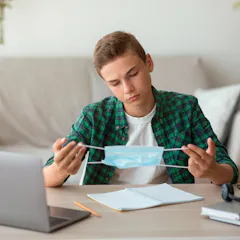
As the COVID-19 pandemic, restrictions and quarantines continues into their second year, more people are experiencing an acute form of COVID-boredom.

A new study argues for selective border relaxations. But with COVID-19 more prevalent now than at almost any point in the past, the risk would be substantial.
Top contributors
-

Assistant Professor in Health Sciences, Simon Fraser University
-
Chancellor's Professor of Medicine, Liberal Arts, and Philanthropy, Indiana University
-
Associate Dean of School for Psychology and Humanities, University of Lancashire
-
Professor, Academy of Geography, Sociology and International Studies, Hong Kong Baptist University
-
Research Fellow, BehaviourWorks Australia, Monash Sustainable Development Institute, Monash University
-
Chair in Epidemiology, Deakin University
-
Director of the Center for the Science of Social Connection, University of Washington
-
Professor of Biostatistics and Epidemiology, Adelaide University
-
Professor, Urban Studies and Professor of Resource and Environmental Management, Simon Fraser University
-
Professor of Outdoor Education, Montreat College
-
Associate Professor of Psychiatry, Michigan State University
-
Cornelia H. Dudley Professor of Psychology, Knox College
-
Associate Professor and Program Director of Parks and Recreation Management, Western Carolina University
-
Professor in Public Health, Institute for Health Research, University of Notre Dame Australia
-
Medical Epidemiologist , Washington State University