
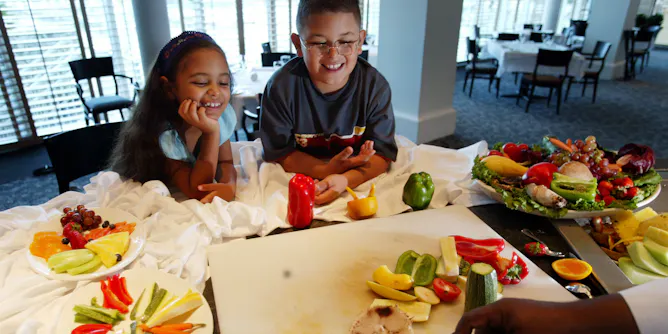
Lifestyle medicine targets the root of chronic diseases like obesity, heart disease and diabetes. Experts explain why everyone should embrace these free prescriptions for good health.
Articles on Isolation
Displaying 61 - 80 of 133 articles
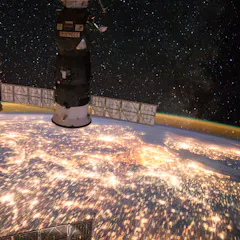
We can look to astronauts’ experiences for tips to improve our own situation during lockdown.

People in high-risk groups are already more likely to be experiencing negative mental health effects during the pandemic. Spending the holidays isolated from family and friends may make matters worse.

Rereading Harry Potter during the COVID-19 pandemic means finding new ways of identifying with the characters, especially in the seventh book, where Harry finds himself struggling with isolation.
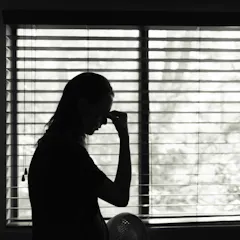
Calls for help to domestic violence shelters have risen during the pandemic, as risk factors for the escalation of violence have gone up. It may be time to implement new strategies to help.
People who hear voices are six times more likely to feel lonely.
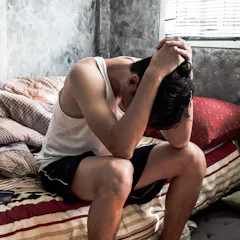
Traumatic experiences (usually of shame or defeat) lead many people across the globe to cut themselves off from social contact and withdraw from society.
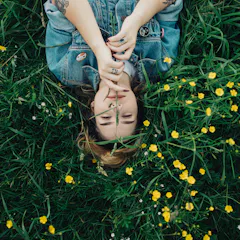
Why structured contact with nature, rolled out with government support, will go a long way to solving the psychological distress of coronavirus.
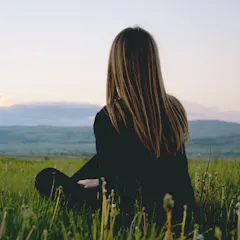
Lockdowns have a key role in controlling COVID-19 but we must be aware of the risks of isolating people who are vulnerable to suicidal distress.
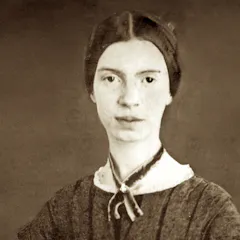
190 years after her birth, Dickinson’s life reminds us of how to confront the depths of loss with courage and hope.

There are a number of things you should do, including keeping the person with COVID-19 isolated, and cleaning regularly.
The social isolation older adults are experiencing as they try to stay safe from the coronavirus pandemic is raising new mental health risks, but people can take steps to protect themselves.
When home and work life look the same, events tend to blur into a single unmemorable blob. And that’s when we start to forget things.
Working from home in the long run could be better for your health, or it could also be worse. It depends on how your employer supports you.
Social distancing is leaving older Americans more isolated and opening them up to serious health risks.
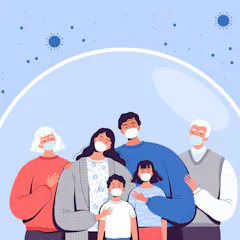
People are turning to quarantine bubbles as a way to see friends and family while limiting the risk from the coronavirus. Research shows that this can work, but it’s not easy to be in a quaranteam.
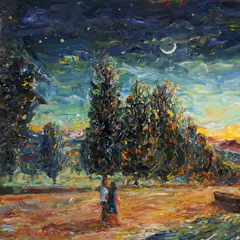
In a system that treats people as objects to be counted, chained, searched and assigned a number, art is a way for prisoners to reassert their agency – and reclaim their lives.

Even those of us spared the worst of COVID-19 are missing our favorite pastimes, places and people. But pleasure can also take unexpected new forms in a pandemic.
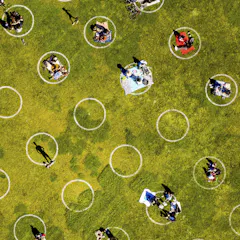
Spending some time outdoors can help restore mental well-being, but physical distancing remains important during the coronavirus pandemic.
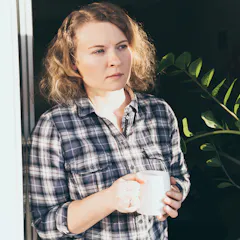
How do you know if your fears of coronavirus are out of control? And what can you do about it?
Top contributors
-

Assistant Professor in Health Sciences, Simon Fraser University
-
Chancellor's Professor of Medicine, Liberal Arts, and Philanthropy, Indiana University
-
Associate Dean of School for Psychology and Humanities, University of Lancashire
-
Professor, Academy of Geography, Sociology and International Studies, Hong Kong Baptist University
-
Research Fellow, BehaviourWorks Australia, Monash Sustainable Development Institute, Monash University
-
Chair in Epidemiology, Deakin University
-
Director of the Center for the Science of Social Connection, University of Washington
-
Professor of Biostatistics and Epidemiology, Adelaide University
-
Professor, Urban Studies and Professor of Resource and Environmental Management, Simon Fraser University
-
Professor of Outdoor Education, Montreat College
-
Associate Professor of Psychiatry, Michigan State University
-
Cornelia H. Dudley Professor of Psychology, Knox College
-
Associate Professor and Program Director of Parks and Recreation Management, Western Carolina University
-
Professor in Public Health, Institute for Health Research, University of Notre Dame Australia
-
Medical Epidemiologist , Washington State University