

Taking the right to science seriously can help spark a new ethos of curiosity-driven research for the planet.
Articles on International law
Displaying 101 - 120 of 532 articles
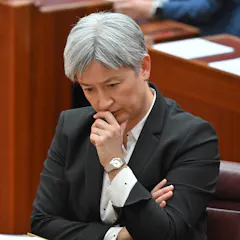
Australia shouldn’t just align with so-called ‘like-minded partners’ on sanctioning other countries, but rather follow core principles of international law.
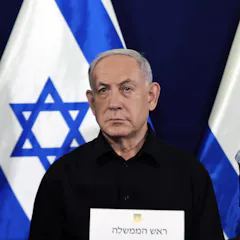
The International Criminal Court’s arrest warrant poses a dilemma for many states: do they support the court’s mandate, or Israel’s right to defend itself?

Many in Africa, including governments and non-state parties to conflicts, don’t trust international law. They consider it intrusive.
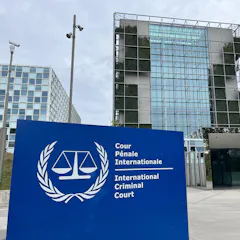
Prosecuting leaders indicted for war crimes is difficult. But the trial of Serbian leader Slobodan Milosevic in the early 2000s offers a potential playbook.
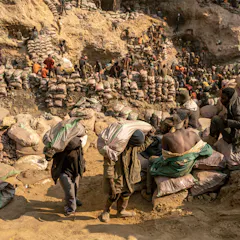
Corporations that benefit from poverty should have a legal duty to mitigate the harm of poverty from which they benefit.

Millions of Palestinian refugees are set to suffer as a result of banning the UN agency, piling pressure on the US, which has warned of ‘consequences.’
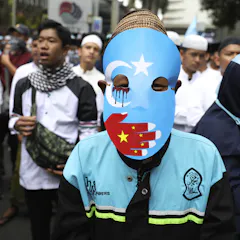
Repressive countries have more success in co-opting support to silence overseas critics with governments they trade with.
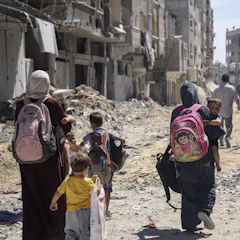
Failure by the West to rein in Israel’s actions has led to accusations of ‘double standards’ regarding international law.

Bill Shorten made headlines by suggesting states should adopt a permit system for protests. Here’s what protest legislation looks like nationally and what international laws say about it.
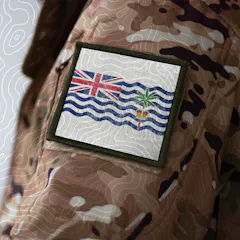
The deal that’s been announced is a rare win-win moment in international relations, with all the relevant actors able to claim a meaningful victory.

International law clearly states that hiding explosives in objects that could be picked up by civilians is strictly prohbited.

Ghana’s history with implementing laws threatens the success of the affirmative action law.
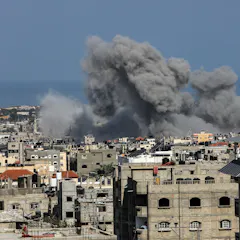
However, signals do matter, especially when seen as part of a broader international shift.
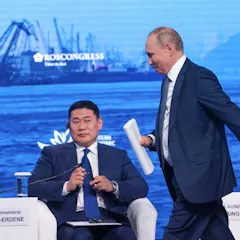
Mongolia has worked hard to craft friendly relations across the globe. But geography means that Russia and China still retain a strong influence.
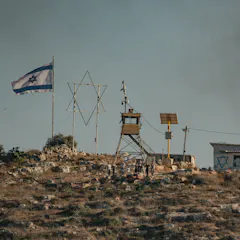
If New Zealand supports a ‘rules-based international order’ its response to the International Court of Justice’s findings on the Occupied Palestinian Territories should involve deeds more than words.

The release of a Russian hit man and the assassination of Israel’s enemies in Lebanon and Iran have shone a spotlight on killings carried out on state orders.

The law doesn’t govern political prisoner exchanges. These are political processes done in secret, as governments can agree to whatever deals they want to make − and reject those they don’t.

In pleading guilty to one count under the US Espionage Act as part of a plea deal, the WikiLeaks founder’s case has left some large legal concepts unresolved.
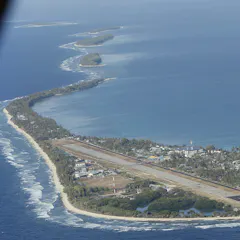
The ruling could be a legal game-changer for small island nations that are trying to hold developed nations to account for the impacts of their greenhouse gas emissions.
Top contributors
-

Professor in Human Rights and International Law, University of Newcastle
-
Professor of International Law, Australian National University
-
Associate Professor (Law), Edith Cowan University
-
Course Co-ordinator, International Law Clinical Program, ANU College of Law, Australian National University
-
Associate Professor, The University of Western Australia
-
Associate Professor of Law, Member of Deakin Cyber and the Centre for Law as Protection, Deakin University, Deakin University
-
Senior Visiting Scholar with the Center for the Study of Genocide and Human Rights, Rutgers University
-
Adjunct Professor, Institute for Marine and Antarctic Studies, University of Tasmania
-
Challis Chair of International Law, Sydney Law School, University of Sydney
-
Professor of Law, University of Waikato
-
Associate Professor of Politics and Global Studies, Arizona State University
-
Scientia Professor and ARC Laureate Fellow, Kaldor Centre for International Refugee Law, UNSW
-
Professor of Law and International Peace Studies, University of Notre Dame
-
Associate Professor, Deakin Law School, Deakin University
-
Adjunct Professor in Law, The University of Western Australia