

For vacation time to be truly restful, the onus is on both employers and employees.
Articles on International Labour Organization
Displaying 1 - 20 of 28 articles

Canada supports the first international treaty protecting platform workers. The same government is weighing a proposal that could make it difficult to legally strike in the rail and marine sectors.

In nations as far apart as Australia, Canada, Indonesia and the UK, this is how a historic court decision could make it easier for unions to go on strike in future.

South Africa is proposing to extend labour and social protections to platform workers.
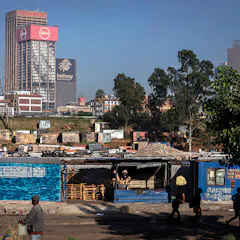
Reducing inequality should be a guiding principle to decisions on climate change.

AI could put a rocket under Australia’s economy, but there’s no guarantee this growth will include everyone.
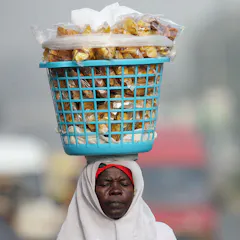
Street vendors are fighting to be brought under labour law rather than remain under business law.

New approaches to economic policy are needed to address the roots of people’s disenchantment and avert ecological catastrophe.

Many African countries have a major youth unemployment problem. More must be done to create jobs and help young people develop the right skills.

How can we better support breastfeeding mothers, particularly after they return to work? These are some of the policies and practical changes that evidence shows would make a difference.

Domestic workers in Jamaica often experience low pay, poor working conditions and informal work arrangements. Here’s how unionization could change their situation.

According to international data, almost three times as many people die at work in New Zealand than in the UK, which has a similar risk-management framework for work safety.
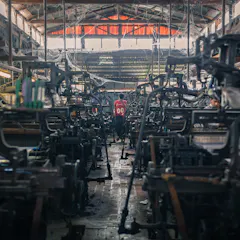
Pressure from business leaders and a simple legislative process leave few excuses for not introducing rules to combat modern slavery in commercial supply chains.
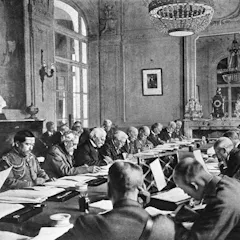
The International Labour Organization was founded in 1919 at the Treaty of Versailles after the ravages of pandemic and world war. Its model offers a way forward for us now.
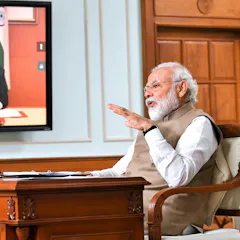
In the shadows of the agenda to accelerate India-Australia trade and investment is the risk of pushing Indian workers into slave conditions.

Natural resources are an important factor in explaining why some rebel groups forcibly recruit children into their ranks.
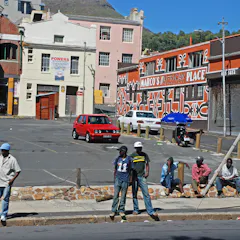
South Africa’s embrace of international conventions has buttressed the country’s reputation in statistical circles. But these global standards prove a poor fit for the country.

While other Latin American countries like Argentina and Brazil led the way on reforming legal protections for domestic workers, Mexico looked the other way.
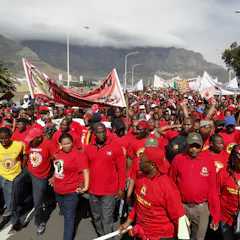
Proposed changes to South African labour laws threaten to set back workers rights.

South African law requires surrogate mothers to hand infants to their legal parents without undue delay. But it doesn’t provide leave for these parents to care for their infants. That is set to change.
Top contributors
-

Adjunct Professor in Law, The University of Western Australia
-
Associate Professor, University of Sydney Business School, University of Sydney
-
PhD Candidate in Humanities, Concordia University; Honorary Fellow, UWA Faculty of Law, The University of Western Australia
-
Professor, Institute for Human Development
-
Emeritus Professor University of South Australia, Adelaide University
-
Research Fellow, Durham University
-
University Lecturer in Political Economy, University of Oxford
-
Young Lives Ethiopia Country Director, University of Oxford
-
Senior Specialist on Employment, International Labour Organisation
-
Doctoral Researcher in Law, Durham University
-
Senior Researcher, University of Lapland
-
Associate Professor in Work-Family-Health Research, Australian National University
-
Lecturer in Work, Employment, Organisation & Public Policy, University of Bristol
-
Honorary Associate Professor, Australian National University
-
Senior Lecturer in International Law, The University of Western Australia