
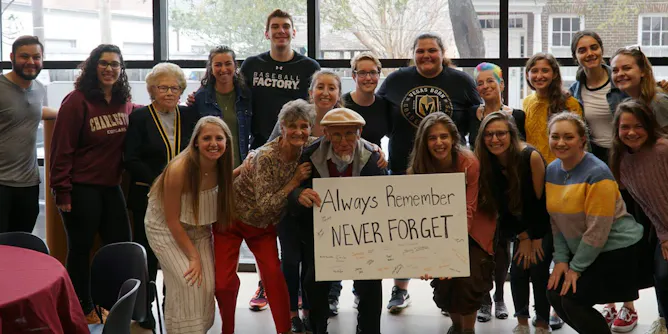
Students respond to history that feels local and personal. There are ways to do that even as Holocaust survivors pass away, one professor writes.
Articles on International Holocaust Remembrance Day
Displaying all articles
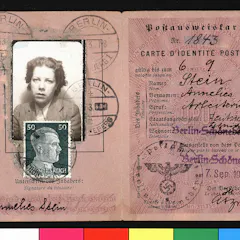
Some women adopted non-Jewish identities to support the resistance. For most, though, it was simply a strategy for survival – one with constant risk of exposure and execution.
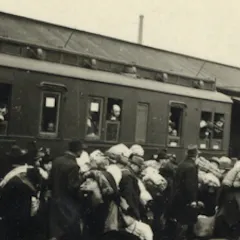
Descendants of survivors helped researchers identify 279 deportees and tell their stories. ‘We give previously faceless victims a voice,’ says project’s co-founder.
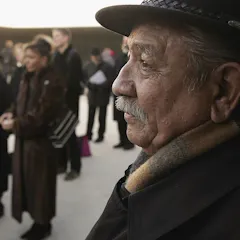
Many young people today know little about the murder of European Jews during the Holocaust, and even less about the murder of Romani communities.
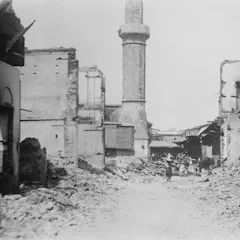
Recent studies on mass violence have turned the spotlight on the resilience of targeted individuals and communities.
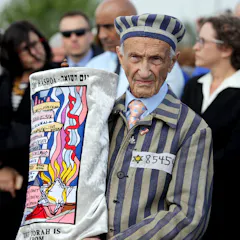
We navigate between making the Holocaust a fable and banning any representation by talking about, arguing over and even calling out fables of the Holocaust.

Younger readers could try Judith Kerr’s When Hitler Stole Pink Rabbit.
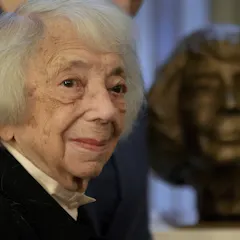
Over 100 life stories of Holocaust survivors have been published through a Holocaust survivors’ memoir program. Listening to survivors narrate their stories is a powerful learning experience.

Antisemitism often appears and spreads on social media. But digital technology can be part of the solution, too.
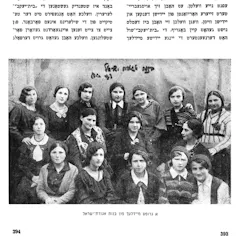
Yom HaShoah is a day to commemorate the murder of 6 million Jews – but also their lives. Yizker bikher books lovingly document Jewish communities across Europe.
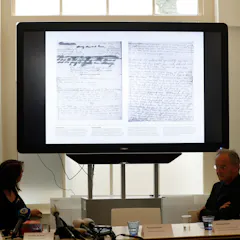
Information about the Holocaust may be easy to find online, but the best sites offer artifacts and authentic accounts from people who survived the experience, a Holocaust scholar argues.
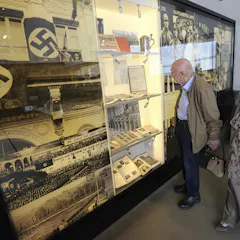
Memory is traumatic but also important in Holocaust remembrance. It also serves a critical role in providing lessons for the future.
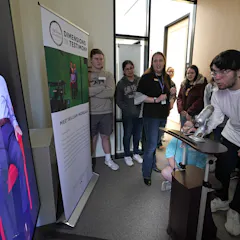
In anticipation of International Holocaust Remembrance Day, a scholar explains how digital technologies can help close knowledge gaps about the catastrophe that claimed the lives of 6 million Jews.
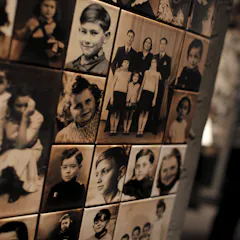
Can the Nazis be forgiven? A rabbi explains why this question needs a more profound examination of some of Judaism’s deepest ethical mores and theological beliefs
Top contributors
-

Professor of Sociology, Rowan University
-
Reader in Literature, University of Portsmouth
-
Lecturer, Arizona State University
-
Postdoctoral Fellow in Holocaust Studies, Zucker/Goldberg Center for Holocaust Studies, College of Charleston
-
Professor of Contemporary Literature and Thought, Royal Holloway, University of London
-
Ph.D., School of Public and International Affairs, Virginia Tech
-
Associate Professor of History, Jewish Studies and European Studies, Vanderbilt University
-
Faculty, Holocaust and Genocide Studies, Gratz College
-
Professor of Curriculum & Instruction, University of Connecticut
-
Assistant Professor of Jewish Studies, College of Charleston
-
Lecturer, Philosophy of Traditional Judaism, Colorado State University
-
Professor of History, USC Dornsife College of Letters, Arts and Sciences