
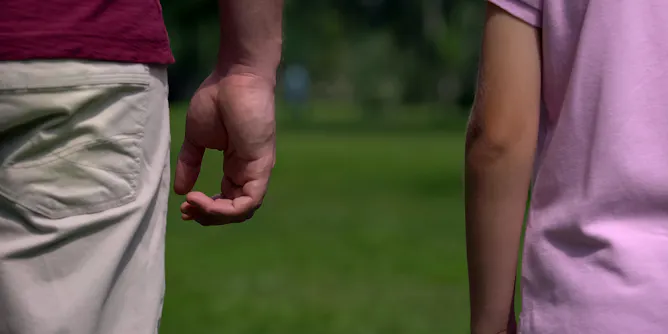
As a new father, a scholar used his research on absentee fatherhood to reimagine his own childhood without his dad.
Articles on Intergenerational trauma
Displaying 1 - 20 of 27 articles
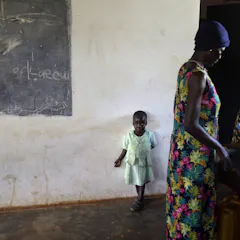
War does not end when the fighting stops or peace agreements are signed. Its harms are transmitted across generations.

While trauma can ripple across generations, its effects aren’t hard-coded in our genes.
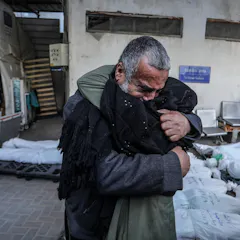
1 in 43 Palestinians have lost a child to war. Bereavement on this scale can drive conflict for generations to come, and reshape whole societies.
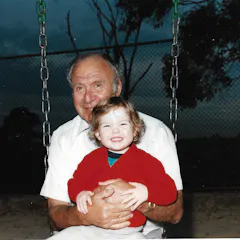
Hermann Pollnow’s parents saved him from the Nazi Germany they wouldn’t survive. His story, told by his Australian granddaughter, reminds us the Holocaust is a global history, not just a European one.
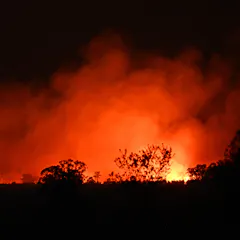
Bigambul and Wakka Wakka author Melanie Saward’s Burn is structured around three fires. It bears witness to the role institutions play in exacerbating trauma associated with colonialism.
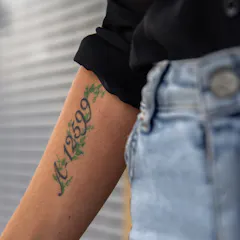
As the Holocaust passes out of living memory, such embodied memorialisation ensures people will still talk about what happened.

Two very different books explore the lives of those living with complex trauma, arguing for a nuanced understanding.
As a displaced scholar, I never thought a show depicting events affecting modern Turkey would so strongly impact my interpretation of historical and political contexts intersecting with my family.
We used yarning and photoyarning to gather insights from staff and residents about the changes five decades of housing stability and support can bring about.
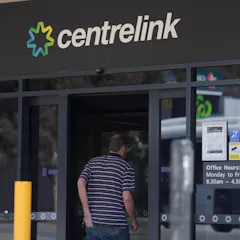
As a woman living on the disability support pension put it: ‘You don’t have the flexibility that a rich person has to respond to crisis, so you have to beg for help. And you know you’ll be judged’.
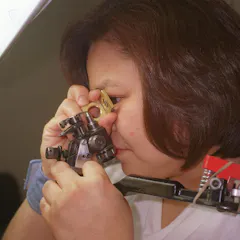
While marketing has made diamond rings a symbol of heteronormative happy endings, women from the Northwest Territories tell a different story about their experiences with the diamond mines.
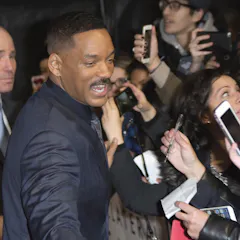
In this special edition of ‘Don’t Call Me Resilient,’ we chat about how “the slap heard around the world” is part of a layered story of racism, sexism, power and performance.
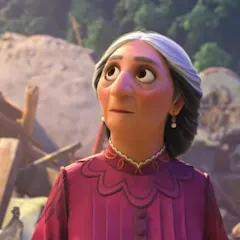
Critics who are irritated by a lack of an apparent villain in ‘Encanto’ need to take a closer look at the effects of colonial displacement.
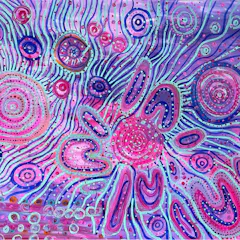
The COVID-19 pandemic is a stressful time for all, and even more so for people experiencing trauma-related stress. How can public health emergency responses avoid further trauma for vulnerable people?
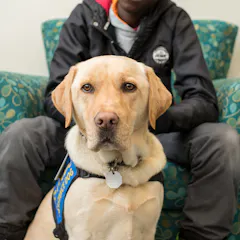
Highly skilled dogs are hard at work supporting the child victims of crime. Meet the justice facility dogs.
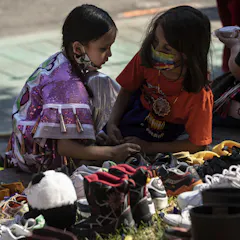
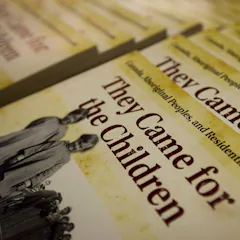
An Indigenous lawyer makes the case that what happened to Indigenous children who went to residential schools is genocide and the case should be tried by the International Criminal Court.
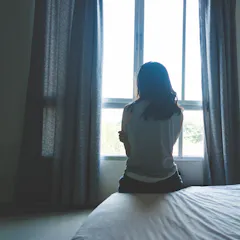
Now, for the first time in Australian history, trauma is trending in the wider public discourse. What does this shift in public consciousness mean, and where is it taking us?
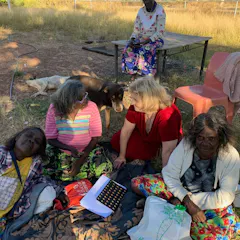
Researchers report on how COVID-19 is affecting isolated Indigenous communities. Their voices bridge the urban divide, reveal challenges and describe some unexpected bonuses.
To make meaningful progress on the Truth and Reconciliation Commission of Canada’s Calls to Action, all provinces and territories should promptly follow B.C. and ban discriminatory ‘birth alerts.’
Top contributors
-

Associate Lecturer in Creative Writing, University of Sydney
-
Melissa Sweet is a Friend of The Conversation.
Independent journalist and health writer; Adjunct Senior Lecturer, Sydney School of Public Health, University of Sydney; Founder of Croakey.org. PhD candidate, University of Canberra
-
Director UCL International Disability Research Centre, UCL
-
Professor of Communication and Media Studies, Director, News and Media Research Centre, University of Canberra
-
Associate Research Professor, Adelaide University
-
Director of Health Design Lab, Emily Carr University
-
Director, Arney Chong Consulting and Positive Futures Research, Adelaide University
-
Professor of Economics, Fordham University
-
Assistant Professor, Global Development Studies, Queen's University, Ontario
-
Research Associate in Archaeology, Flinders University
-
Undergraduate Student in Industrial Design, Emily Carr University
-
Assistant researcher, Flinders University
-
Senior Lecturer, University of Tasmania
-
Professor, The Centre of Best Practice in Aboriginal and Torres Strait Islander Suicide Prevention, the Poche Centre for Indigenous Health, The University of Western Australia
-
Senior Lecturer, Centre for Nursing and Midwifery Research, James Cook University