
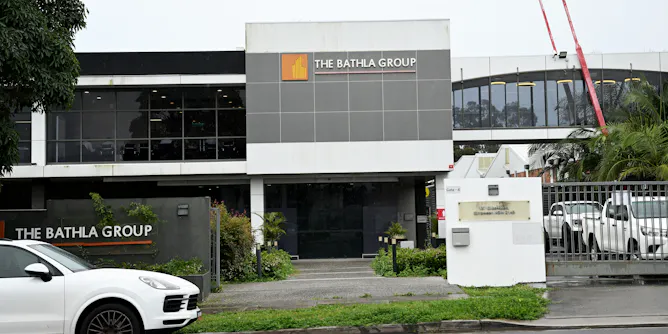
Until we do more to tackle the causes of high construction company insolvencies, we’ll keep seeing more headlines about builders going bust.
Articles on Insolvency
Displaying 1 - 20 of 29 articles

Home builders with fixed price contracts can only absorb so much cost pressure. Research shows which builders were already at most risk, even before the war started.

A law review offers a chance to rethink whether NZ’s insolvent trading rules strike the right balance between creditor protection and business rescue.

Like many retailers, Hudson’s Bay struggled during the COVID-19 pandemic, but its troubles ran deeper. Now, the company is liquidating almost all its stores.

It’s certainly been in the news a lot this year. But is it the same for people and companies? What’s the famous Chapter 11? Is bankruptcy always the end of the road?
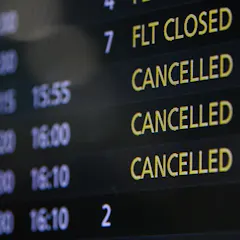
Australians are highly exposed to financial loss if an airline, tour operator or travel agency collapses, compared to travellers in the United Kingdom and Europe.
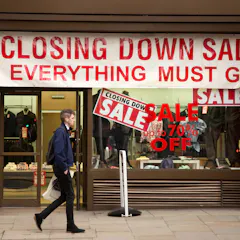
The law can help struggling firms turn their business around, but stigma around the legal terms may be deterring companies from acting in time.

Recent interest rate hikes are not just a problem for mortgage borrowers, many companies are suffering too.

More than 70 clubs from the lower leagues have entered into insolvency procedures since Accrington Stanley went under in 1962.

Selling assets and shedding staff is not the a recipe for survival.

Ghana’s economy is in its most precarious state in decades.
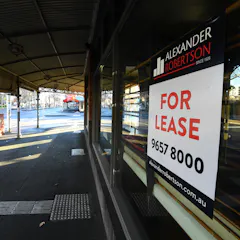
From some statistics 2020 looks like economic good times. Have relief measures averted economic pain or simply deferred it?
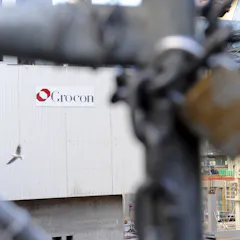
Grocon as a construction business might be on its last legs, but Grocon as a property development and landlord business should be fine.
The new rules will allow insolvent small businesses to keep trading rather than go straight into administration.
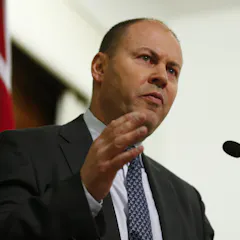
The Morrison government will make sweeping changes to the insolvency system to improve the chances of saving small businesses hit by the pandemic.

Wages are going backwards, loans are in arrears, companies are being kept alive by government support and an exemption from insolvency rules, yet still they are paying out dividends.

Pre-packs used to be the UK’s most controversial way for companies to thwart creditors. No longer.

Debt agreements have become the fastest form of personal insolvency in Australia. But in many cases, there are better options available to manage debt.

Australia’s insolvency laws inhibit growth and innovation. They weren’t designed for small business, which make up 97% of all businesses.

South Korean Hanjin Shipping has ships and crews stranded in ports around the world as creditors and customers wait to see if the company can be saved.
Top contributors
-

Senior Lecturer in Business Law and Corporations Law, Griffith University
-
Professorial Fellow, University of Canberra
-
Senior Lecturer in Law, University of Liverpool
-
Professor of Corporate Law, University of Sydney
-
Lecturer, Faculty of Business and Law, Queensland University of Technology
-
Fellow, Queensland University of Technology
-
Senior lecturer, Queensland University of Technology
-
Associate Professor, UNSW
-
Senior lecturer, QUT Centre for Justice, School of Econmics and Finance, Queensland University of Technology
-
Associate professor, Monash University
-
Lecturer in Corporate and Insolvency Law, University of Edinburgh
-
Research assistant, Newcastle Law School, University of Newcastle
-
Professor of International Business, University of East Anglia
-
Sessional Lecturer, PhD (Management) Candidate, School of Management, RMIT University
-
Senior Lecturer in Law and Anthropologist, University of Newcastle