

At binz stores, surplus goods move downstream through a hidden retail ecosystem, giving products a second life and shoppers the chance to stretch their dollars.
Articles on Liquidation
Displaying all articles

A law review offers a chance to rethink whether NZ’s insolvent trading rules strike the right balance between creditor protection and business rescue.

Like many retailers, Hudson’s Bay struggled during the COVID-19 pandemic, but its troubles ran deeper. Now, the company is liquidating almost all its stores.

Small and medium businesses have struggled in 2024 – with record rates of liquidations in New Zealand and Australia. But there are things they can do to make 2025 more successful.

The aftermath of the 2008 global financial crisis was hard. But today’s ‘long squeeze’ could be even harder for small business owners, as consumer spending and survival options diminish.
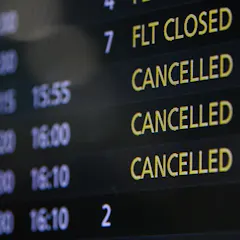
Australians are highly exposed to financial loss if an airline, tour operator or travel agency collapses, compared to travellers in the United Kingdom and Europe.

The law can help struggling firms turn their business around, but stigma around the legal terms may be deterring companies from acting in time.

Laid-off Supie staff were paid by an anonymous donor – but many employees never get what they’re owed when a company fails. New Zealand should follow overseas examples to better protect workers.
A more proactive Inland Revenue could learn from overseas experience and help reduce the devastation caused by failing businesses.

Former finance director Zafar Khan is the first of the Carillion directors to receive a punishment for his part in the collapse.
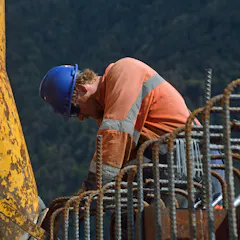
The construction sector has long suffered from lack of co-ordination, poor planning and vulnerability to shocks. If the country’s building and infrastructure needs are to be met, that has to change.

Under insolvency law, there’s an order in which creditors get paid from whatever is left of a company.

Eight former directors of the collapsed super-contractor face being banned for up to 15 years if they are found to be unfit to run a company.

There are lots of burning issues raised by the business rescue that haven’t yet been tested in South Africa. Many will no doubt land in the courts.
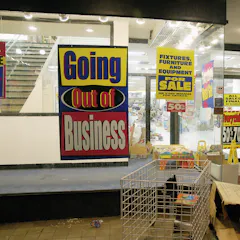
A bankruptcy filing always means there’s not enough money to go around, but the process ensures both debtors and creditors are protected.

While critics accuse companies facing lots of lawsuits of using bankruptcy as a sort of ‘get of jail free card,’ the reality of the legal procedure is more complicated.

Stock markets have plunged in recent months on concerns over Trump’s trade war and the possibility of a recession. An economist explains how stocks are like used cars – and lemons.
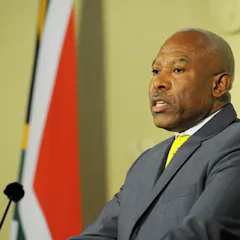
The South African Reserve Bank was justified in placing VBS Mutual Bank under curatorship.
A primary focus on prosecuting those who have committed illegal phoenix activities has not been successful.

Voluntary administration was considered a state-of-the-art rescue procedure for struggling companies in 1993. But is is time for another wide-ranging review of our insolvency laws?
Top contributors
-

Senior Lecturer in Law, University of Liverpool
-
Associate professor, University of Auckland, Waipapa Taumata Rau
-
Senior Lecturer, Management and International Business, University of Auckland, Waipapa Taumata Rau
-
Associate Professor of Law, Emory University
-
Co-Director, Bankruptcy and Insolvency Scholarship Unit, Adelaide University
-
Professor and Head, Department of Business Law and Taxation, Monash University
-
Visiting Professor at the Business School, University of the Witwatersrand
-
Deputy Dean of the Faculty of Design and Creative Technologies, Auckland University of Technology
-
Programme Leader, CanConstructNZ, Te Kunenga ki Pūrehuroa – Massey University
-
Part-Time Professor of Economics, The New School
-
Professor of Resilient and Sustainable Buildings (Maori Engagement), Te Kunenga ki Pūrehuroa – Massey University
-
Lecturer in Corporate and Insolvency Law, University of Edinburgh
-
Professor of Company Law, University of Pretoria
-
Professor of Construction and Project Management, Head of School of Built Environment, Te Kunenga ki Pūrehuroa – Massey University
-
Professor of Taxation, Te Herenga Waka — Victoria University of Wellington