
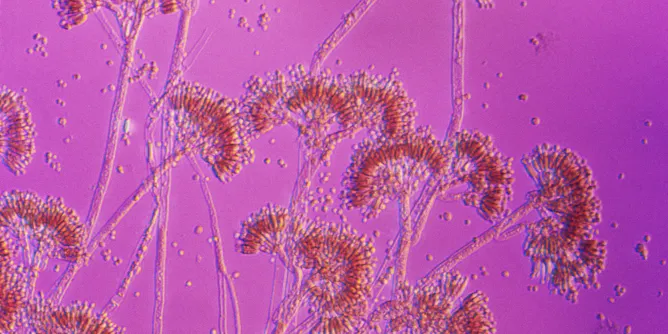
As many as 1 in 5 Americans believe they have a penicillin allergy, but just a tiny fraction actually do. In recent years, it’s gotten a lot easier to find out.
Articles on Infection
Displaying 21 - 40 of 153 articles

Fever isn’t necessarily a bad thing − it’s actually a useful response to infections.

Antibiotic resistance has played a key role in the evolution and survival of bacteria.

This outbreak is preventable. The question is: will the world step up?

You can get norovirus any time of the year, but it spreads most during the winter.

Kids can be more vulnerable due to a combination of their behaviour and physiology.

Conditions such as long COVID-19, Alzheimer’s disease and meningitis can damage the line of communication between your brain and your muscles.

Since the 1980s very few antibiotics have been approved. One of the reasons is that there is not enough investment in the sector.

You might expect scavengers such as vultures to have a diet high in dangerous bacteria. Our study investigated what defences these animals have to help them stay healthy.

The wounds contain black and yellow dead tissue and tunnel deep into the skin. Deep stigma around them can make getting treatment difficult.
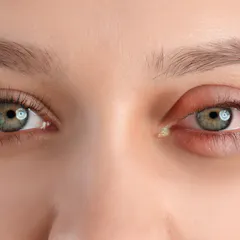
Rubbing your eyes might feel satisfying but it could introduce pathogens to the body. Here’s a summary of the most common eye infections.

Most infection prevention guidelines center on the hospital environment rather than the patient. But the source of antibiotic-resistant microbes is often from the patient’s own body.

Keeping wounds clean and infection free has challenged people for thousands of years.
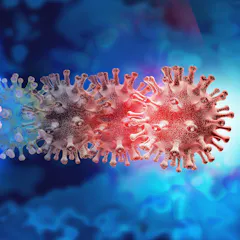
The JN.1 variant has become dominant in Australia and around the world, causing large waves of infections. Here’s what we know about it so far – and why it’s so important.

Viruses can get into cells in several ways. Figuring out how to stop them from entering in the first place is a key to developing better vaccines and stopping future pandemics.

Horseshoe crabs play a unique role in medicine, but they’re also ecologically important in their home waters along the Atlantic coast. Can regulators balance the needs of humans and nature?
Your cells die to keep you alive. Cell death does everything from fighting cancer cells and pathogens to forming your fingers and toes.
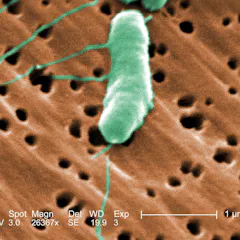
Warmer ocean waters are fueling the spread of the bacteria Vibrio vulnificus. Infections can lead to a rare but fatal condition called necrotizing fasciitis.
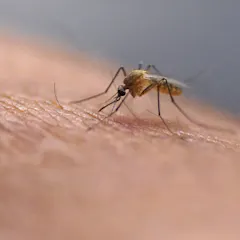
West Nile virus arrived in North America in 1999 and spread across the continent by 2005. Here’s what you need to know about this mosquito-borne pathogen.

The heat and chills that come with fever are not only uncomfortable but also metabolically costly. Increased body temperature, however, can make all the difference when you’re sick.
Top contributors
-

Professor of Global Biosecurity, NHMRC L3 Research Fellow, Head, Biosecurity Program, Kirby Institute, UNSW
-
Professor of Emergency Medicine, University of New Mexico
-
Research Assistant Professor of Immunology, Tufts University
-
Professor of Nursing and Health Services Research, University of Newcastle
-
Professor of Microbiology and Immunology, Indiana University
-
Senior Lecturer, Infectious Diseases Epidemiology and Control, UNSW
-
Instructor of Human Immunology, Emory University
-
Clinical Assistant Professor of Immunology, University of South Carolina
-
Paediatrician and Infectious Diseases Specialist; Clinical Researcher, University of Sydney
-
Researcher, Griffith Institute for Drug Discovery, Griffith University
-
Adjunct Senior Research Fellow in Early Childhood Development, The University of Western Australia
-
Academic Specialist, Indigenous Eye Health Unit, The University of Melbourne
-
Academic Specialist, The University of Melbourne
-
Senior lecturer, UCL
-
Emeritus Fellow, University of Westminster