

As restaurants and cafes re-open, here’s what you can do to limit the chance of coronavirus transmission.
Articles on Infection
Displaying 101 - 120 of 153 articles

A CSIRO survey has found many people are confused about common infections, believing antibiotics can treat colds, flu and other viruses. This could fuel a dangerous rise in drug-resistant superbugs.

Mysteries surround the coronavirus, but our expert is here to address some of the most perplexing issues.
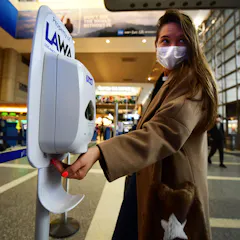
Human psychology has evolved to avoid situations that could lead to infection. Behavioral choices now could have long-term effects on how people interact with others and the world.

Swedish authorities claim the country is rapidly approaching herd immunity.
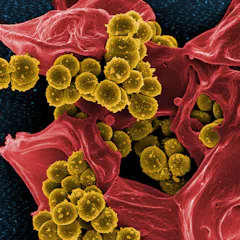
Antimicrobial resistance is a public health and economic disaster waiting to happen. If we do not address this threat, by 2050 more people will die from drug-resistant infections than from cancer.

Questions remain about COVID-19 infection, transmission, treatment and recovery. Here are answers to some common questions about the coronavirus pandemic.

With offices shut down, people staying at home and hospitals bracing for an influx of patients, many people are unsure of what’s safe and what’s not.
Infections like coronavirus can kill the nerves that let you smell, but they’ll usually grow back within weeks.

Hospitals will need more space, staff and stuff as more people test positive to coronavirus. But hard decisions may have to be made if the health system gets overwhelmed with cases.
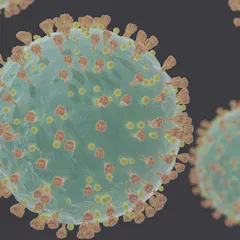
There is no evidence that the coronavirus has evolved into a deadlier strain. It is almost certainly less lethal than initially reported, but that might mean there are more cases than we realised.

With no vaccines or treatments, the fight against coronavirus comes down to this behavioral technique. A physician explains how it works.

Stay calm, stick to the facts and talk to your children about your own feelings on the coronavirus and COVID-19 disease.

We used to think the rise in allergies was because we weren’t exposed to as many early infections as previous generations. But that’s not the case.
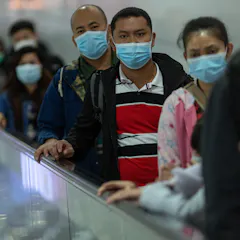
There’s no evidence you can spread the Wuhan coronavirus before showing symptoms, but one study suggests it’s possible for children and young people to be infectious without ever having symptoms.

If hospitals are not thoroughly cleaned, patients may be at higher risk of infection. We tested a new approach to hospital cleaning, and found it could reduce infections and save money.

With an ageing population, and the growing threat of antibiotic resistance, now is the time to be worried about sepsis.

Many articles describe the rise of superbugs - bacteria that are resistant to antibiotic drugs - as inevitable. But society has the knowledge to stop the spread of these microbes.
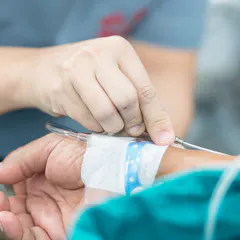
A surprising number of people are catching pneumonia or urinary tract infections in hospital, a new Australian study shows for the first time.

New technology could help doctors identify the right antibiotic for their patient in double-quick time.
Top contributors
-

Professor of Global Biosecurity, NHMRC L3 Research Fellow, Head, Biosecurity Program, Kirby Institute, UNSW
-
Professor of Emergency Medicine, University of New Mexico
-
Research Assistant Professor of Immunology, Tufts University
-
Professor of Nursing and Health Services Research, University of Newcastle
-
Professor of Microbiology and Immunology, Indiana University
-
Senior Lecturer, Infectious Diseases Epidemiology and Control, UNSW
-
Instructor of Human Immunology, Emory University
-
Clinical Assistant Professor of Immunology, University of South Carolina
-
Paediatrician and Infectious Diseases Specialist; Clinical Researcher, University of Sydney
-
Researcher, Griffith Institute for Drug Discovery, Griffith University
-
Adjunct Senior Research Fellow in Early Childhood Development, The University of Western Australia
-
Academic Specialist, Indigenous Eye Health Unit, The University of Melbourne
-
Academic Specialist, The University of Melbourne
-
Senior lecturer, UCL
-
Emeritus Fellow, University of Westminster